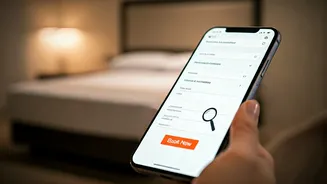









What Are Flexible Stays, Exactly?
At its core, a 'flexible stay' refers to any accommodation booking that allows you to change or cancel your plans with minimal or no financial penalty. This isn't a single product but an umbrella term for a range of traveller-friendly policies that have
become widespread. The most common feature is 'free cancellation,' which lets you back out of a booking up to a certain date—often 24 to 48 hours before check-in—for a full refund. Other popular options include 'book now, pay later,' where you reserve a room without an upfront charge, and 'modifiable dates,' which allows you to shift your travel window without having to cancel and rebook entirely. These policies, once a premium feature, are now a standard offering across major booking platforms like Booking.com, Airbnb, and Agoda, as well as directly from hotel chains like Marriott and Hyatt.
The Freedom of Planning Without Fear
So, why is this the 'smartest' move? Because it removes the risk from travel planning. Life is unpredictable. Work deadlines shift, family matters arise, or sometimes you just change your mind. A flexible booking acts as a safety net. It gives you the confidence to lock in a great rate for a hotel you love, knowing you aren't trapped if your plans fall through. This approach also empowers you to be a more strategic traveller. You can book a promising hotel far in advance to secure availability and then continue to watch for better deals or more appealing options closer to your travel date. If a flash sale pops up, you can cancel your original reservation and grab the new one. This fundamentally shifts the power dynamic, reducing the stress and financial anxiety often associated with committing to a trip.
How to Find and Secure Flexible Deals
Finding these stays is easier than ever, as booking sites now highlight them prominently. When searching for accommodation, your first step should be to use the platform's filters. Look for checkboxes like 'Free cancellation' or 'Book without a credit card.' Activating these will instantly narrow your results to only show properties that offer the flexibility you need. On platforms like Airbnb, hosts can choose from several cancellation policies, ranging from 'Flexible' to 'Strict.' Always click to read the host's specific policy before you book. When comparing options, pay close attention to the cancellation deadline. A hotel that offers free cancellation up to one day before arrival is far more flexible than one that requires a week's notice. Make it a habit to take a screenshot of the cancellation policy at the time of booking, giving you a personal record in case of any disputes.
Always Read the Fine Print
While 'flexible' sounds straightforward, the devil is always in the details. 'Free cancellation' isn't always completely free. Some properties may charge a small processing fee, while others might have a higher base rate for their flexible rooms compared to their non-refundable counterparts. This 'flexibility premium' is often a small price to pay for peace of mind, but it's important to be aware of it when budgeting. Also, pay close attention to the exact deadline. 'Cancel by 11:59 PM on October 25th' is very different from 'Cancel 72 hours before check-in time.' Time zones can also complicate matters, so double-check if the deadline is based on your local time or the hotel's location. Finally, during peak seasons or for special events, even hotels with generally flexible policies may switch to stricter, non-refundable rates. Always verify the policy for your specific dates before clicking 'confirm.'
The Bottom Line: A Modern Travel Strategy
Ultimately, opting for flexible stays is less about a single booking feature and more about adopting a modern, resilient travel mindset. The travel industry, having learned hard lessons about the need for adaptability, has built the tools for consumers to plan with more confidence. By prioritising cancellable and modifiable bookings, you’re not just protecting your wallet; you’re giving yourself the freedom to be spontaneous, to react to unforeseen circumstances, and to build an itinerary that truly works for you, not against you. It transforms the entire planning process from a rigid, stressful commitment into a dynamic and empowering experience.