




Understanding a Plant's Calendar
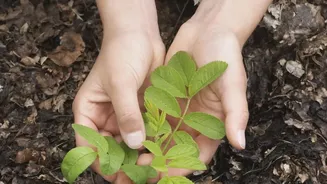
Indoor plants might be shielded from the harshest outdoor weather, but they still respond to the seasons. Longer days and increased sunlight in spring and summer trigger their active growth phase. During this time, they are like athletes in peak season,
full of energy and ready to grow new leaves, stems, and most importantly, roots. Conversely, the shorter, darker days of autumn and winter signal a time for rest. This period of dormancy is a natural slowdown where plants conserve energy, and growth becomes minimal. Repotting during this rest period is like asking someone to run a marathon right after they’ve fallen asleep; they simply don’t have the energy reserves to handle the stress.
The Science of Transplant Shock
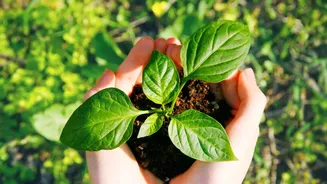
No matter how gentle you are, repotting is a stressful event for a plant. This stress is known as transplant shock. It occurs because the process inevitably disturbs the root system, particularly the fine root hairs responsible for absorbing water and nutrients. Symptoms often include wilting (even with moist soil), yellowing leaves, or a general lack of vigour. When a plant is in its active growth phase, it has the hormonal drive and energy to quickly repair this damage and send out new roots to establish itself in the fresh soil. Its metabolism is high, allowing it to overcome the shock in a matter of weeks.
The Risk of Winter Repotting
Repotting a dormant plant in winter is considerably riskier. Because the plant is not actively growing, its damaged roots recover much more slowly, if at all. The plant is left vulnerable in a new pot filled with a larger volume of soil that stays wet for longer, as the inactive roots aren't absorbing much water. This combination of damaged roots and prolonged dampness creates a perfect storm for root rot, a fungal issue that can quickly prove fatal. While emergency repotting for issues like disease is sometimes necessary, a routine upgrade should wait for the plant to wake up in the spring.
Signs Your Plant Needs a New Home
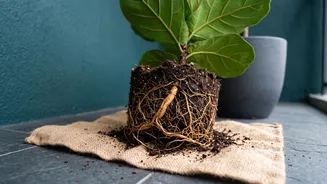
The best time to repot is spring or summer, but how do you know if it's necessary at all? Look for clear signals from your plant. If you see roots growing out of the drainage holes or pushing the plant up out of its pot, it's a sure sign it needs more space. Another clue is how quickly the soil dries out; if you have to water every day or two, the pot is likely filled with more roots than soil. Stunted growth, such as new leaves that are smaller than older ones, also indicates that the plant has exhausted its resources and space. Finally, if a plant has become top-heavy and unstable, a larger pot will provide a more secure base.
A Quick Guide to Healthier Repotting
Once you've decided it's time, set your plant up for success. Choose a new pot that is only 1-2 inches wider in diameter than the current one. Moving to a pot that is too large can lead to that dreaded waterlogged soil. Water your plant a day before you plan to repot to reduce stress. When you remove the plant, gently loosen any tightly circling roots to encourage them to grow outwards into the new soil. Place the plant in its new pot with fresh, appropriate potting mix, ensuring it sits at the same depth it was in its original pot. Water it thoroughly to settle the soil and help the roots make contact with their new environment.