







Why Your US Plan Begins With a Number
Gone are the days when securing a US visa was a relatively quick final step in your travel planning. Following years of high demand and pandemic-related backlogs, the timeline for getting a visa appointment has become a major factor in itself. The U.S.
Mission to India has made massive strides, issuing a record number of visas in recent years to clear the backlog, but demand continues to outpace supply for certain categories. This means the wait for a first-time visitor visa interview can stretch into several months. Starting your planning by understanding this wait time is critical. It determines your realistic travel dates, prevents the disappointment of booking non-refundable flights for a trip you can't make, and allows you to build a practical and stress-free timeline.
How to Check Official Wait Times
The most reliable source of information is the U.S. Department of State's official Visa Appointment Wait Times tool. This website provides estimated interview wait times for various non-immigrant visa categories at every U.S. embassy and consulate worldwide, including the five posts in India: New Delhi, Mumbai, Chennai, Kolkata, and Hyderabad. To use it, simply visit the website, select the city where you plan to apply, and it will display the estimated wait in calendar days for different visa types. It's crucial to remember that these are estimates based on current workload and staffing; they can change weekly or even daily as new appointment slots are opened. Therefore, checking this tool shouldn't be a one-time event but a regular part of your initial planning phase.
A Mid-2026 Snapshot for Indian Applicants
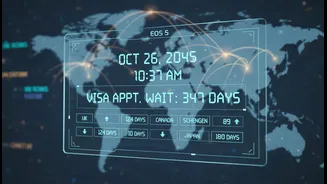
As of July 2026, the situation varies significantly by visa type and location. For the highly sought-after B1/B2 visitor visas, first-time applicants are seeing interview wait times that typically range from 100 to 250 days. For example, a recent check showed the wait in New Delhi at approximately 225 calendar days. Mumbai often has similarly long queues for visitor visas. In contrast, student (F1) and some work visas (like H-1B) often receive priority. F1 visa appointments, especially during the peak season from May to August, can often be found within 30 to 60 days. For those eligible for an interview waiver or "dropbox" renewal, the process is much faster, often taking just two to six weeks from document submission to passport return.
Visitor Visas (B1/B2): The Longest Wait
The B1/B2 visa, for tourism, family visits, and general business, consistently has the longest wait time for first-time applicants. A wait of 150-300 days is not uncommon in high-volume posts like New Delhi and Mumbai. This means if you are planning a family vacation for the summer of 2027, you should ideally begin the visa process in mid-to-late 2026. This long horizon is essential for avoiding the anxiety of a fast-approaching travel date with no visa appointment in sight. It's also worth noting that applicants in India can schedule their interview at any of the five consulates, not just the one closest to their home. Sometimes, checking wait times in Kolkata or Hyderabad, which may have lower applicant volumes, can reveal a shorter queue.
Student (F1) and Worker (H1B) Visas: A Different Story
The U.S. Mission in India prioritises student and work visas to facilitate education and economic ties. Applicants for F1 student visas will find that appointment slots are more readily available, particularly ahead of the fall and spring academic semesters. Wait times are often under 60 days during these peak periods. For H-1B workers, the situation can be more complex. While many renewals are eligible for the dropbox process, recent policy changes have reportedly narrowed eligibility, pushing more applicants into the interview queue. Still, processing for work visas is generally faster than for first-time tourists. It is vital for H-1B holders planning travel to India to confirm their dropbox eligibility and check interview wait times well before leaving the U.S. to avoid being stranded abroad.
Strategic Planning is Your Best Tool
Armed with data on visa queues, you can plan strategically. If your travel is urgent and meets strict criteria—such as a medical emergency, urgent business travel, or an imminent school start date—you can request an expedited appointment after scheduling a regular one. However, these are granted sparingly due to high demand. For most travellers, the best strategy is simply to plan far ahead. Check the official wait time tool regularly, as new appointment slots are added continuously. Be flexible with which consulate you apply to. And once you secure an appointment, you can continue to check the portal for earlier openings that may result from cancellations. By treating the visa process as the foundational first step, you transform it from a source of stress into a manageable part of your journey.