
A Return to Tradition
For years, the morning rush in many urban Indian households meant reaching for breakfast cereals or toast. Convenience was king. Yet, a noticeable shift is underway. There's a renewed appreciation for the breakfasts that have nourished generations: the soft,
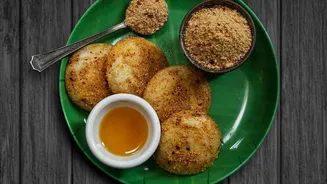
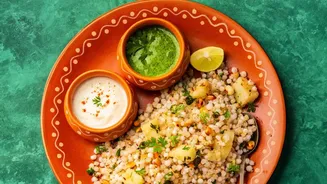
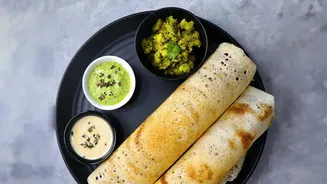
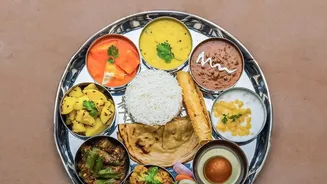
fermented goodness of idli, the crispiness of a dosa, and the savoury warmth of poha. This isn't just about nostalgia; it's a conscious return to foods that are both comforting and deeply connected to regional identity. From the steamed rice and coconut cylinders of Kerala's puttu to the wholesome millet-based dosas of the south, these dishes are finding a fresh audience. This resurgence is driven by a growing curiosity about traditional foods and a desire to explore the diverse culinary landscape of India right from the first meal of the day.
The Health Halo of Heritage Grains
A major driver behind this trend is a collective move towards healthier eating. Traditional Indian breakfasts are naturally nutritious, often featuring a balanced mix of complex carbohydrates, proteins, and fibre. Millets, once humble staples, are now celebrated as 'super grains'. Varieties like ragi (finger millet), bajra (pearl millet), and jowar (sorghum) are being incorporated into modern breakfast plates. Millet dosas, for example, offer a gluten-free, high-fibre alternative to their rice-based counterparts, providing sustained energy. Puttu, traditionally made with rice flour, is now also being prepared with ragi or wheat flour, boosting its nutritional profile. These grains are packed with essential nutrients, aid digestion, and help in managing blood sugar levels, making them an ideal start to the day.
Spotlight on Regional Stars
The current breakfast revival is shining a light on lesser-known regional gems. While idli and dosa have long been national favourites, dishes like puttu are gaining wider recognition. Puttu, a staple in Kerala and Tamil Nadu, is a simple yet ingenious dish of steamed ground rice layered with coconut. Its versatility is part of its charm; it can be enjoyed with a spicy kadala curry (black chickpea curry), a sweet banana, or even with a savoury mincemeat filling known as irachiputtu. Similarly, dosas are being reinvented with a variety of millets, moving beyond the standard rice and dal batter. These regional specialties offer a window into the local culture, ingredients, and culinary wisdom of different states.
The Role of Chefs and Social Media
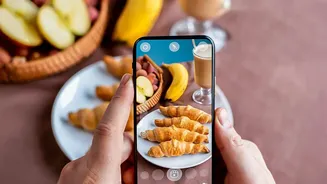
Modern chefs and food influencers are playing a crucial role in this movement. A new wave of Indian chefs is championing indigenous ingredients and hyper-regional cuisines, reinterpreting traditional dishes for contemporary palates. Social media platforms like Instagram and YouTube have become virtual kitchens where home cooks and food bloggers share recipes, popularize regional delicacies, and create new food trends. A visually appealing dish can go viral overnight, encouraging people to try new recipes and explore cuisines beyond their own. This digital food culture has made regional Indian food more accessible and relatable than ever, bridging the gap between tradition and modernity.