




Decoding the Pruning Window
Let’s address the headline first. Pruning a plant after its ideal window is generally risky. It can stress the plant, expose it to disease, or reduce next season's flowers or fruit. However, August in India isn't 'after' the window; for many plants, it is the window.
The monsoon season brings high humidity and ample moisture, which encourages vigorous new growth. Strategic pruning now helps shape plants, improve air circulation to ward off fungal diseases, and directs the plant's energy towards producing healthy shoots and more flowers. Think of it not as a late task, but as a mid-season opportunity to boost your garden's health and appearance. The key is knowing which plants to trim and which to leave alone.
Flowering Shrubs: Hibiscus, Roses, and Bougainvillea
Many of India’s favourite flowering shrubs benefit from a monsoon trim. For hibiscus, light pruning encourages a bushier shape and more of those iconic blooms. Trim back weak or leggy stems, cutting just above a leaf node. Roses also respond well to a light August pruning. Focus on deadheading (removing spent flowers) and cutting out any thin, weak, or diseased canes. This improves airflow, a crucial step in preventing fungal issues during humid weather, and encourages a fresh flush of flowers. For bougainvillea, which can get unruly, trim back any tangled or dead branches. Since it flowers on new growth, this light shaping will promote more of its colourful bracts.
Herbs and Perennials: Encourage Bushy Growth
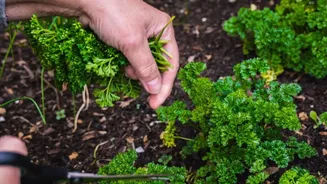
August is an excellent time to give your herbs a haircut. For plants like Holy Basil (Tulsi) and mint, regular pinching and trimming of the top shoots prevent them from becoming woody and flowering prematurely. This simple action encourages the plant to branch out, resulting in a much fuller, leafier plant that you can harvest from for longer. Similarly, many perennial plants that may have started to look tired after their initial summer bloom can be revitalised. Cutting back faded flower stalks can often trigger a new flush of foliage and, in some cases, a second round of blooms before the season ends.
Fruit Trees: A Light Touch is Key
When it comes to fruit trees, heavy pruning is best left for the dormant winter season. However, a light trim in August can be beneficial. The goal is not to remove large limbs, but to thin out some of the dense summer growth. Carefully remove any branches that are crossing or rubbing against each other, as well as any dead or damaged wood. This selective thinning improves sunlight penetration and air circulation to the centre of the tree, which can help with fruit development and reduce the risk of disease. Avoid any drastic cuts, as this can shock the tree and reduce its energy reserves.
What NOT to Prune Right Now
Just as important as knowing what to prune is knowing what to leave alone. The main rule of thumb is to avoid heavy pruning on shrubs that flower in the spring. Plants like certain varieties of jasmine (Mogra), forsythia, or lilac have already formed the buds for next year's flowers on their 'old wood'. Pruning them now would mean cutting off next spring's display. If these plants need shaping, the best time is right after they finish flowering in late spring or early summer. For now, let them be and enjoy the anticipation of their blooms to come.