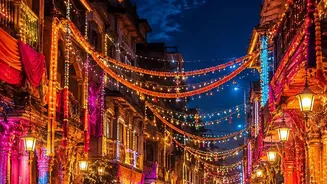



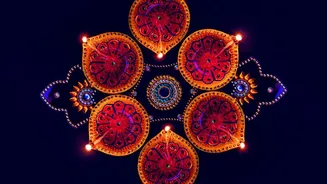
Every year, the ancient city of Ayodhya transforms into a celestial kingdom of light for Deepotsav. As millions of earthen lamps flicker to life, this guide will help you navigate the divine spectacle and plan an unforgettable spiritual journey.
The Spectacle of a Million Lights
The heart
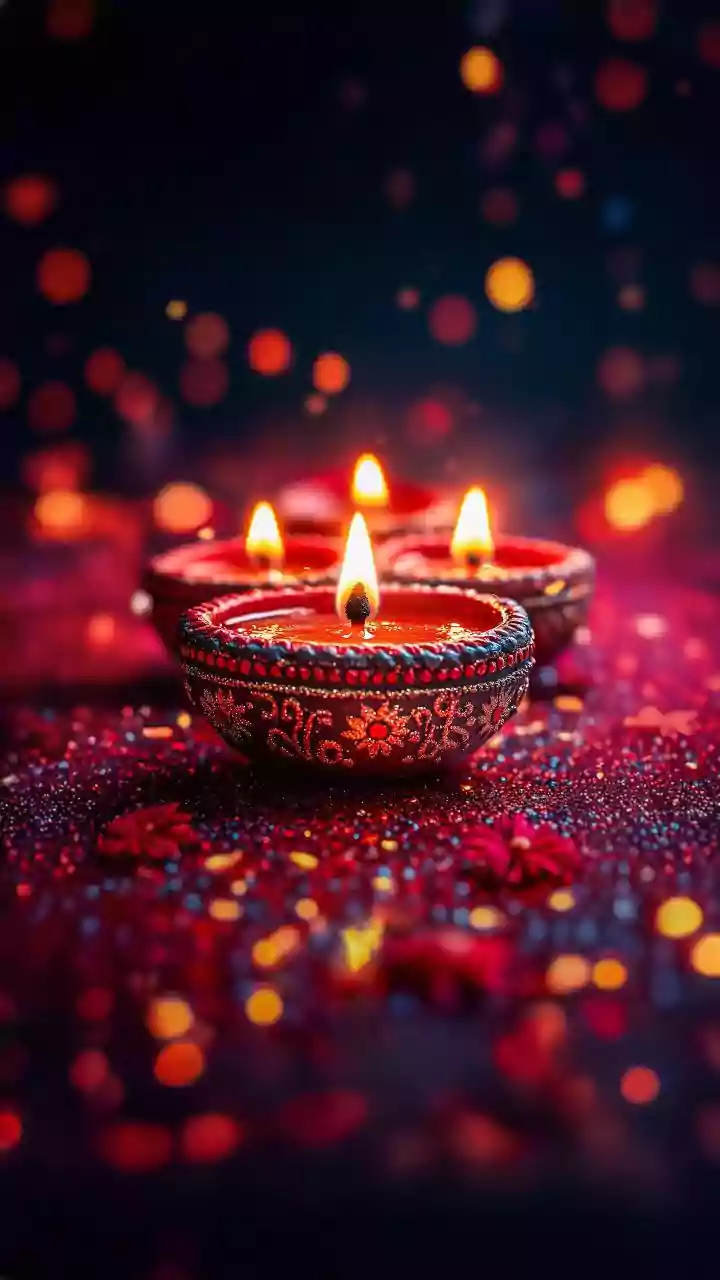
of Deepotsav is the breathtaking display of millions of diyas (earthen lamps) along the ghats of the Saryu River, particularly at Ram Ki Paidi. This grand event commemorates Lord Ram's return to Ayodhya after 14 years of exile. Year after year, the celebration has grown, consistently setting new Guinness World Records for the largest display of oil lamps. In 2026, the Uttar Pradesh government is expected to aim for an even more ambitious target, potentially lighting around 30 lakh (3 million) diyas. Thousands of volunteers meticulously arrange the lamps, creating a river of light that reflects mesmerisingly on the water. For any visitor, witnessing this massive, coordinated effort culminating in a singular, divine glow is the central, unmissable experience of the festival.
Cultural and Spiritual Extravaganza
Deepotsav is more than just lights; it's a multi-day cultural feast. The festivities traditionally include a grand 'Shobha Yatra', a procession with vibrant tableaus depicting scenes from the Ramayana that winds through the city's streets. Ramlila performances by both Indian and international troupes bring the epic to life, while devotional music resonates from every corner. Modern technology adds another layer to the experience, with spectacular laser shows, 3D projection mapping, and choreographed drone shows narrating chapters of Lord Ram's story against the night sky. Another key event is the mass Saryu Aarti, where hundreds or even thousands of priests perform the ritual in unison, creating a powerful spiritual atmosphere.
Essential Sites to Visit
While the Saryu ghats are the main stage, the entire city buzzes with spiritual energy. A visit to the Shri Ram Janmabhoomi Temple is paramount; during Deepotsav, the temple is magnificently decorated with flowers and lights. To gain a different perspective, climb the 76 steps to Hanuman Garhi, a temple dedicated to Lord Hanuman, which offers a panoramic view of the illuminated city. For a quieter, more intimate experience away from the main crowds, visit Kanak Bhavan, believed to be the palace gifted to Goddess Sita, and the Nageshwarnath Temple, an ancient shrine dedicated to Lord Shiva. These sites offer a peaceful contrast to the high-energy celebrations at the ghats.
A Practical Guide to Your Visit
Attending Deepotsav requires careful planning due to the immense crowds. It's crucial to book your travel and accommodation well in advance, ideally several months before the festival. The main Deepotsav events are typically held a day or two before Diwali, which falls on November 8 in 2026. To reach Ayodhya, you can fly into Maharishi Valmiki International Airport (AYJ) or take a train to Ayodhya Junction, which is well-connected to major cities. Be prepared for heavy traffic and large crowds, especially around Ram Ki Paidi and the main temple complex. Arrive at the ghats by late afternoon on the main day to secure a good viewing spot. For a less crowded experience, you can explore the ghats on the following morning.
Tips for a Smooth Experience
To make the most of your trip, plan for a stay of at least two to three days. This will allow you to soak in the atmosphere without rushing. Wear comfortable footwear, as you will be doing a lot of walking. While the city has heavy security, it's always wise to be mindful of your belongings in crowded areas. Embrace the local culture by exploring the bustling markets, which are filled with festive goods, and trying the local cuisine. Most importantly, immerse yourself in the spiritual energy of the event. Deepotsav is a unique celebration of faith, culture, and the triumph of light over darkness, offering a profoundly moving experience for all who attend.