


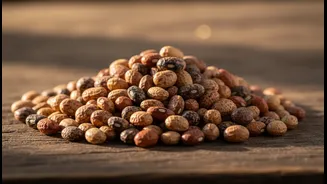


1. Sumac: The Zesty, Bright Star
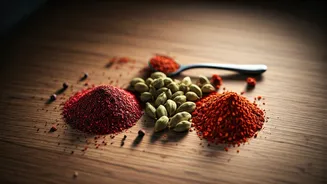
If you’ve ever tasted a bright, tangy flavour in a Middle Eastern dish that wasn’t quite lemon, you’ve likely met sumac. This coarse, deep-red powder is made from the dried and ground berries of the wild sumac flower. It’s not a ‘hot’ spice at all; instead,
its primary contribution is a vibrant, fruity tartness that can awaken just about any dish. For centuries, it has been a cornerstone of Levantine cooking, used long before lemons were widely available in the region. Why is it suddenly everywhere? Its versatility is undeniable. Sumac adds a complex acidity without the extra liquid of citrus juice, making it perfect for dry rubs on chicken or lamb. Sprinkle it over hummus, labneh, or a simple feta and tomato salad for a pop of colour and a zesty finish. It’s also fantastic on roasted vegetables, particularly carrots and potatoes, and can even be whisked into salad dressings. Its ability to brighten and lift savoury dishes makes it an easy and impactful way to elevate everyday cooking. As more people explore global cuisines at home, sumac has become an indispensable secret weapon.
2. Cardamom: The Aromatic All-Rounder
Cardamom has been a staple in Indian and Scandinavian kitchens for ages, but it’s now enjoying a global moment in the spotlight. Often sold as green pods, black pods, or a fine powder, its flavour is intensely aromatic, complex, and hard to pin down—a mix of mint, citrus, smoke, and a floral sweetness. Green cardamom is the more common variety, prized in everything from masala chai and kheer to Swedish cinnamon buns (kardemummabullar). Its recent surge in popularity can be traced to coffee culture. The ‘cardamom latte’ has become a sophisticated alternative to pumpkin spice, offering warmth and fragrance without overwhelming sweetness. But its utility extends far beyond beverages. In savoury cooking, a few crushed pods can transform a simple pot of basmati rice into something special. It’s a key player in many garam masala blends and adds a wonderful depth to curries and stews. Bakers are also embracing it, adding ground cardamom to cookies, cakes, and breads for a touch of exotic warmth. It bridges the gap between sweet and savoury with an elegance few other spices can match.
3. Aleppo Pepper: The Fruity, Moderate Heat
For anyone tired of one-dimensional, fiery chilli flakes, Aleppo pepper is a revelation. Named for the ancient Syrian city, these flakes have a beautiful, deep-red colour and a texture that’s slightly oily and soft, not brittle and dry. Its heat level is moderate—about half as hot as the standard red pepper flakes you’d find in a pizza parlour—but its flavour is what makes it a star. It has a complex, earthy taste with notes of sun-dried tomato, fruit, and a tangy finish. The appeal of Aleppo pepper lies in this balance of mild heat and robust flavour. It builds warmth slowly rather than attacking your palate. This makes it incredibly versatile. Sprinkle it over your morning eggs, avocado toast, or a bowl of soup. Use it to finish roasted vegetables, grilled fish, or a simple pasta dish. It adds a beautiful ruby-red speckle and a layer of flavour that enhances the dish rather than overpowering it. As chefs and home cooks look for more nuanced ways to add spice to their food, Aleppo pepper has become the go-to for delivering warmth, complexity, and a touch of Mediterranean sun.