



The Protein Puzzle for Athletes
Anyone serious about fitness knows that protein is the non-negotiable building block of muscle. After a tough workout, your muscle fibres are broken down and need protein to repair and grow back stronger. The challenge is that not all protein sources
are created equal. The gold standard is a 'complete protein', which contains all nine essential amino acids that our bodies cannot produce on their own. While animal products are typically complete, most plant-based foods are 'incomplete', meaning they are low in one or more of these essential amino acids. This is a primary concern for vegetarian athletes who need to ensure their diet provides the full spectrum of amino acids to support their training goals and optimise recovery.
A Perfect Protein Partnership
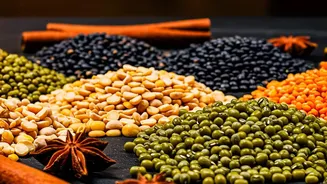
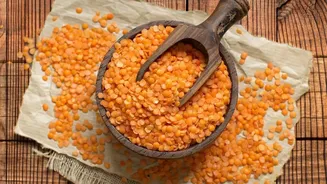
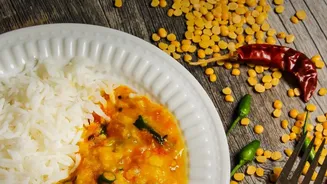
This is where the classic combination of lentils and rice shines. It’s a textbook example of protein complementation, a nutritional strategy where two incomplete proteins are eaten together to form a complete one. Lentils, like most legumes, are packed with the essential amino acid lysine but are low in the sulfur-containing amino acids methionine and cysteine. Rice, a grain, has the opposite profile: it's low in lysine but contains the methionine that lentils lack. When you combine them, their amino acid profiles perfectly compensate for each other’s shortcomings. The result is a high-quality, complete protein that provides your body with all the necessary building blocks for muscle synthesis, much like a protein from an animal source.
More Than Just Muscle Fuel
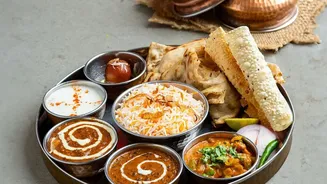
The benefits of this humble pairing extend far beyond just protein. The combination, famous in India as dal chawal, offers a wealth of nutrients crucial for any active individual. Rice provides complex carbohydrates, which are digested slowly to deliver sustained energy, fueling you through long workouts and replenishing glycogen stores afterward. Both lentils and rice are excellent sources of dietary fiber, which aids digestion, promotes gut health, and helps regulate blood sugar levels by slowing the absorption of glucose. This prevents the energy spikes and crashes that can derail a training session. Furthermore, the duo is rich in vital minerals like iron, which is critical for oxygen transport and preventing anemia, as well as magnesium, which plays a key role in muscle function and energy production.
Timing and Practical Tips
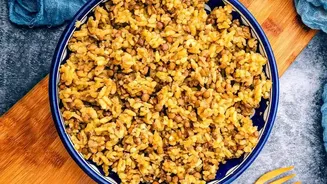
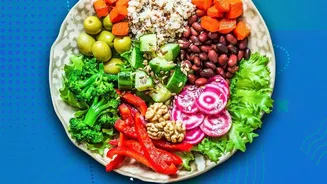
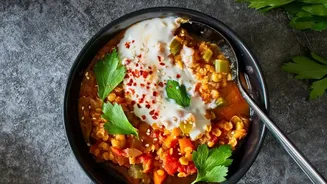
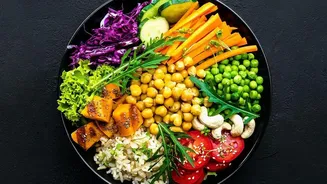
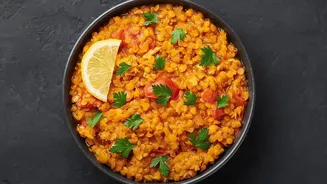
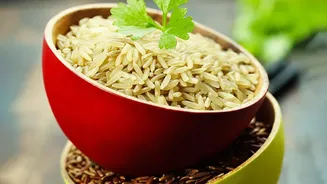
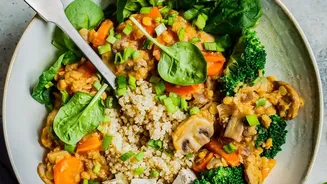
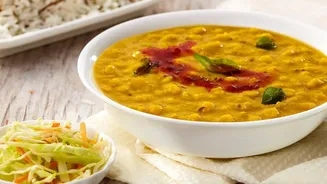
To make the most of this nutritional powerhouse, consider its role in your meal timing. Because it's rich in fiber, which slows digestion, it may not be the ideal choice for an immediate post-workout meal when you need rapid nutrient absorption. However, it's an excellent option for a meal a few hours before your workout for sustained energy, or as a recovery meal later in the day to support steady muscle growth. For maximum nutritional benefit, opt for brown rice over white to increase fiber and mineral content. There are countless ways to prepare it, from a simple dal and rice bowl to more elaborate dishes like khichdi or mujadara. You can easily boost the meal’s nutritional value by adding vegetables for extra vitamins and antioxidants, or a dollop of yogurt for probiotics and healthy fats.