




The Hidden Power in the Peel
Before you dismiss the humble orange rind, consider what you’re throwing away. The peel is surprisingly packed with beneficial compounds. It contains significant amounts of Vitamin C—even more per gram than the fruit's flesh. It's also a source of dietary
fibre, calcium, and potent plant compounds called polyphenols. These polyphenols are antioxidants that may help the body manage various conditions. While the peel in its raw state can be bitter and tough to digest, the process of transforming it into a preserve makes it delicious and unlocks its potential, turning kitchen scrap into a nutritious treat. This practice of using every part of the produce is a cornerstone of traditional Indian kitchens, where resourcefulness and flavour go hand in hand.
A Note on Preparation and Safety
When you plan to eat the peel, it's crucial to clean it properly. Conventionally grown oranges are often coated with wax and may have pesticide residues on the surface. While food-grade wax is considered safe, it can trap contaminants. For this reason, using organic oranges is the best choice. If you don't have access to organic fruit, a thorough wash is essential. Scrub the oranges under warm water with a vegetable brush. A common household method involves soaking the fruit in a solution of water and white vinegar for a few minutes, followed by a scrub with baking soda and a final rinse. This helps break down wax and remove surface residues, ensuring your preserves are as pure as they are tasty.
Recipe: Simple Candied Orange Peel
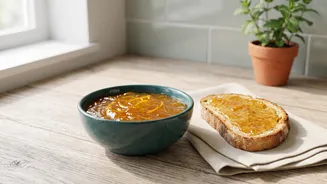
One of the easiest and most delightful ways to preserve orange rinds is to candy them. This turns the bitter peel into a sweet, jewel-like confection that can be eaten on its own, dipped in chocolate, or used to garnish cakes and desserts. The process involves two main stages: first, blanching the peels to remove bitterness, and second, simmering them in a sugar syrup until they become translucent and sweet. Don't be intimidated; the steps are simple and the results are incredibly rewarding. You'll need the peels of 2-3 large oranges, sugar, and water.
Step-by-Step Guide to Sweet Success
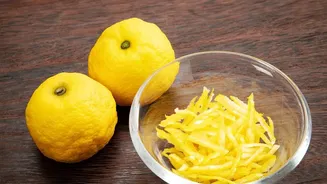
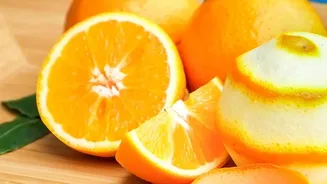
1. Prepare the Peels: After washing your oranges, slice off the top and bottom. Score the peel into quarters and carefully remove it from the fruit. Cut the peels into uniform strips, about a quarter-inch wide. 2. Blanch to Remove Bitterness: Place the peels in a saucepan, cover them with cold water, and bring to a rolling boil. Let them boil for a few minutes, then drain the water. Repeat this process at least two to three times. This blanching step is key to removing the peel's natural bitterness. 3. Create the Sugar Syrup: In the same saucepan, combine 2 cups of sugar with 2 cups of water. Heat on medium, stirring until the sugar completely dissolves. 4. Candy the Peels: Add the blanched peels to the sugar syrup. Bring the mixture to a simmer, then reduce the heat to low. Let the peels cook gently for 45-60 minutes, or until they appear soft and translucent. Avoid vigorous stirring to prevent the syrup from crystallising; a gentle swirl of the pan is better if needed. 5. Dry and Coat: Using a slotted spoon, remove the peels from the syrup and place them on a wire rack to dry for a few hours. For a classic finish, toss the semi-dry peels in a bowl of granulated sugar until they are evenly coated. Let them dry completely on the rack for a day or two before storing in an airtight container.
Beyond Preserves: More Zero-Waste Tips
Your journey into using orange peels doesn't have to end with candy. The aromatic oils in the rind make it a powerful natural resource for your home. Natural Cleaner: Submerge peels in a jar of white vinegar for a couple of weeks. Strain the liquid into a spray bottle for an effective, great-smelling all-purpose cleaner. Kitchen Deodoriser: Simmer a few peels with spices like cinnamon or cloves on the stovetop to fill your home with a warm, inviting aroma. You can also simply toss a few peels into the bottom of your garbage bin to help combat odours. Flavour Infusions: Drop a dried peel into your sugar jar to create citrus-infused sugar for baking, or add zest to salt for a zesty seasoning. You can also infuse cooking oils with the peel for a subtle citrus note in your dishes.