




It Starts with the Right Gear
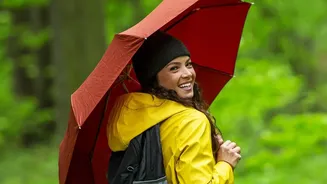
The secret to packing light for wet weather isn't about leaving things behind; it's about choosing smarter alternatives. Your traditional, heavy raincoat is the first item to reconsider. Modern travel-focused rain jackets are miracles of material science.
Look for jackets described as 'packable' or 'ultralight'. These are often made from advanced fabrics like Gore-Tex Paclite or treated nylon that offer excellent waterproofing but can be compressed down to the size of an apple. Brands like Patagonia, Columbia, and The North Face offer excellent options. A jacket like this might weigh as little as 200-300 grams, saving you a huge amount of weight and space compared to a standard jacket that can easily top a kilogram.
Embrace the Art of Layering
Instead of one thick, heavy jacket, think in layers. A high-quality, unlined waterproof shell jacket is your outermost defence against rain. Underneath, you can wear a thin, warm layer like a merino wool long-sleeve shirt or a lightweight fleece. This system is far more versatile than a single bulky coat. If the rain stops but the air is cool, you can wear the fleece on its own. If it's warm and raining, the shell is all you need. This approach allows you to adapt to changing conditions throughout the day without carrying multiple heavy garments. Each piece is individually lightweight and easy to pack.
Mastering Your Packing Technique
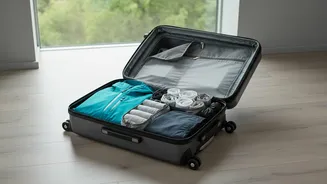
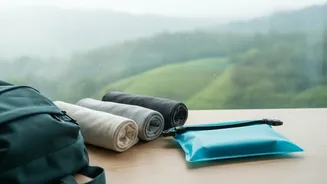
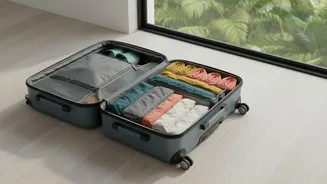
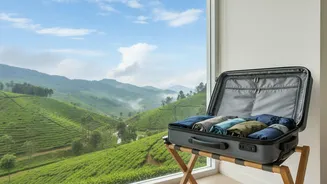
How you pack is as important as what you pack. Invest in a set of packing cubes. These small, zippered bags allow you to compartmentalise your clothing and, more importantly, compress it. Tightly roll your clothes instead of folding them; this minimises wrinkles and saves a surprising amount of space. For your rain jacket, fold it into its own pocket or stuff sack if it has one. If not, fold it flat and place it against the back of your carry-on to create a flat base. Use every inch of space: stuff socks and underwear inside your shoes. This structural packing method not only saves space but also helps your bag keep its shape.
Beyond the Jacket: Trousers and Footwear
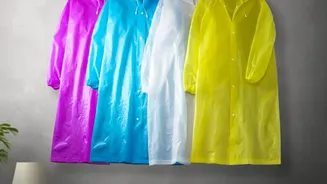
Rain doesn't just fall on your torso. A pair of waterproof over-trousers is a wise addition. Like the jacket, look for a lightweight, packable pair that can be worn over your regular trousers when the downpour starts. When it comes to footwear, one pair of waterproof walking shoes or boots is essential. Wear your heaviest pair of shoes on the plane to save weight and space in your bag. Treat them with a waterproofing spray before you leave for extra protection. For your second pair of shoes, consider lightweight sandals or loafers that can be worn in the evenings or on dry days.
The Sample 7-Day, 7-Kilo Monsoon List
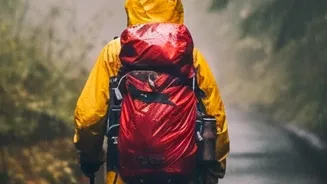
So what does this look like in practice? Here is a sample packing list that should comfortably fit within the 7kg limit: Rain Gear (worn or packed): - 1 x Ultralight waterproof shell jacket - 1 x Waterproof over-trousers - 1 x Waterproof daypack or a rain cover for your bag Clothing: - 1 x Lightweight fleece or warm mid-layer - 4 x Quick-dry t-shirts or tops - 2 x Pairs of trousers (one quick-dry, one casual) - 1 x Nicer outfit for evenings - 5 x Pairs of underwear and socks (merino wool is great as it can be worn more than once) - 1 x Pair of waterproof shoes (worn on the plane) - 1 x Pair of lightweight sandals or loafers Essentials: - Toiletry bag with travel-sized items - Electronics (phone, charger, power bank) - Small first-aid kit - Reusable water bottle This entire list, packed efficiently in a lightweight carry-on bag, can easily come in under seven kilograms, freeing you to enjoy your rainy destination with just one bag.