




The Hidden Risks in Your Breakfast Juice
That morning glass of grapefruit, orange, or apple juice might be packed with vitamins, but it can also interfere with your medication in significant ways. The Indian Medical Association (IMA) has advised that fruit juices can alter how your body absorbs
certain drugs, potentially making them less effective or, in some cases, dangerously potent. The interaction is so well-documented that the U.S. Food and Drug Administration (FDA) mandates warnings on several medications against taking them with grapefruit juice. While it may seem like a convenient way to take a pill, the chemical compounds in these juices can set off a chain reaction that undermines the medicine you rely on for your health.
The 'Grapefruit Effect' Explained
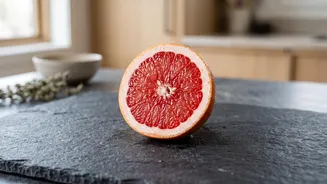
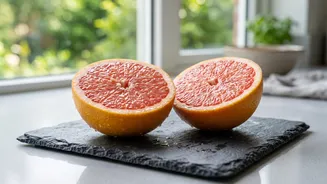
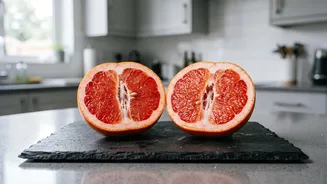
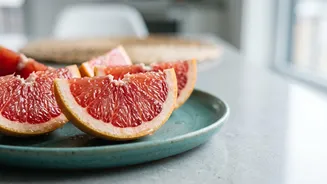
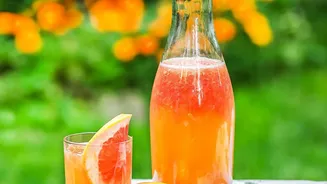
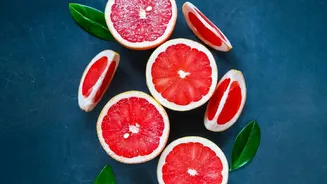
The most famous interaction is known as the 'grapefruit effect'. Grapefruit contains compounds called furanocoumarins, which can block the action of a crucial enzyme in your small intestine named CYP3A4. This enzyme is a workhorse, responsible for metabolising, or breaking down, about half of all medications on the market. When you drink grapefruit juice, it essentially handcuffs this enzyme. As a result, instead of being properly metabolised, more of the drug enters your bloodstream and stays in your body for longer. This can dramatically increase the drug's concentration, sometimes turning a normal, safe dose into a toxic one, raising the risk of serious side effects like liver or muscle damage.
It's Not Just Grapefruit
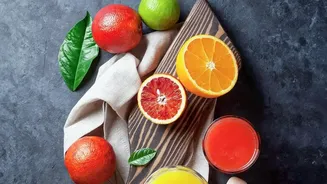
While grapefruit gets most of the attention, it isn't the only culprit. Other citrus fruits, including Seville oranges (often used in marmalades), pomelos, and tangelos, can have a similar effect because they also contain furanocoumarins. It is important to note that sweet orange varieties, like navel or Valencia, typically do not cause this specific interaction. However, some juices, including orange and apple juice, can have the opposite effect on certain medications. They can block transport proteins in the gut that are responsible for moving drugs into your cells to be absorbed. This reduces the amount of medication entering your bloodstream, making the drug less effective. An example is the allergy medication fexofenadine (Allegra), which can be less effective if taken with apple, orange, or grapefruit juice.
Which Medications Are Most Affected?
A wide range of common medications can be affected. It's not just a few obscure drugs; many prescriptions for chronic conditions are on the list. Some of the major categories include: Certain statins for lowering cholesterol, such as atorvastatin (Lipitor) and simvastatin (Zocor). Some blood pressure medications, particularly calcium channel blockers like nifedipine (Procardia). Certain immunosuppressants taken after an organ transplant, like cyclosporine and tacrolimus. Some anti-anxiety medications and antidepressants. This is not an exhaustive list, and the effect can vary from person to person. Even a single glass of juice can be enough to cause a significant interaction.
Why Water Is the Gold Standard
So, why is water the best choice? It's neutral. Water doesn't contain active compounds that interfere with enzymes or drug transporters. It helps you swallow the pill safely, preventing it from getting stuck in your esophagus, which can cause irritation or ulcers. It also helps the medication dissolve properly in your stomach, allowing it to be absorbed as intended by its design. Even different types of water can matter; some studies suggest that highly alkaline mineral water could potentially break down the protective coating of certain pills designed for intestinal release, whereas neutral or slightly acidic tap water is generally safe. Ultimately, water is the simplest, safest, and most reliable liquid to ensure your medication works exactly as your doctor prescribed.