

A Different Kind of Mountain Escape
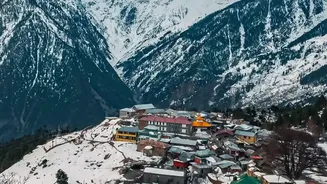
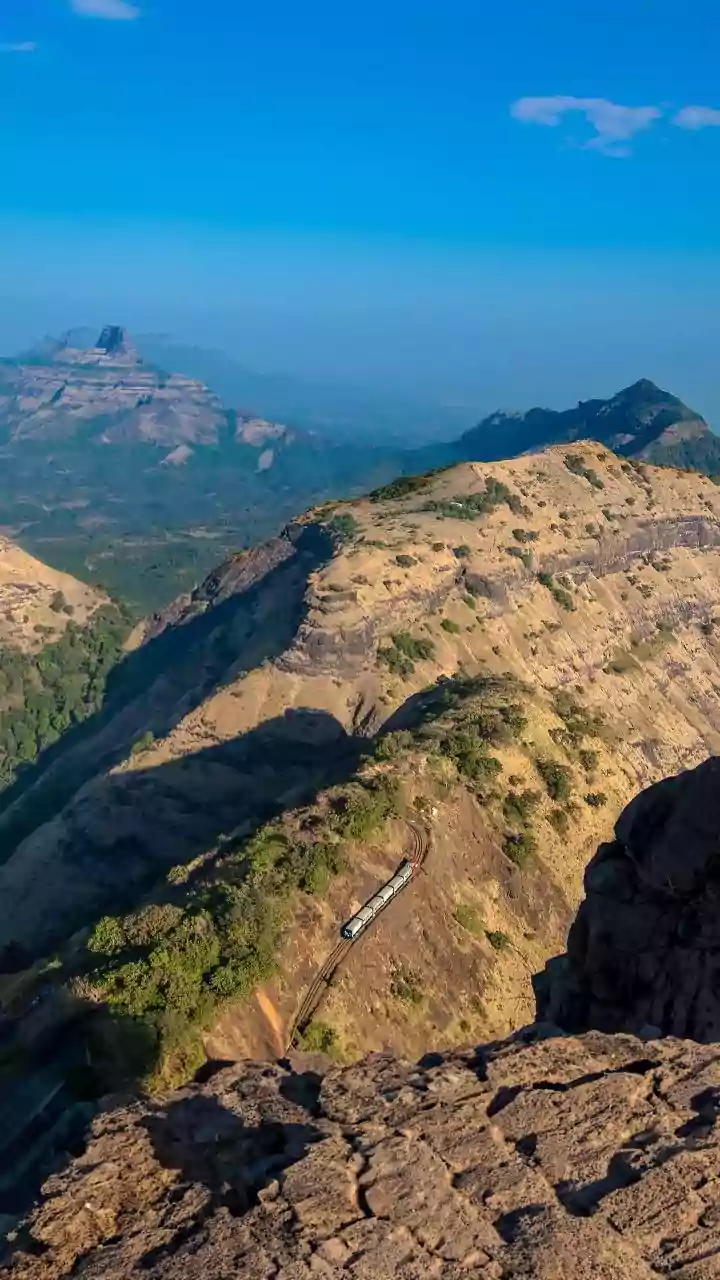
For decades, a trip to the mountains in India has meant popular destinations like Shimla, Manali, or Dharamshala. While beautiful, these towns are increasingly battling overcrowding, traffic, and light pollution that obscures the very nature tourists
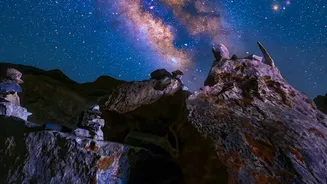
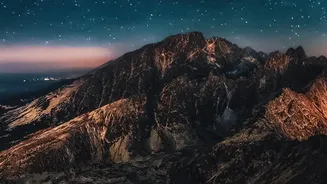
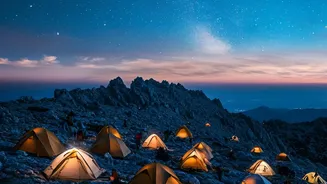
come to see. Now, a growing number of travellers are seeking a more profound connection with the mountains, and they are finding it in the darkness. They are bypassing the usual hotspots for quiet, high-altitude villages in regions like Spiti and Lahaul, where the main attraction appears after the sun goes down. This emerging trend, known as astrotourism, is centred on finding locations with minimal artificial light to witness the night sky in its full, unobscured glory.
The Rise of Astrotourism
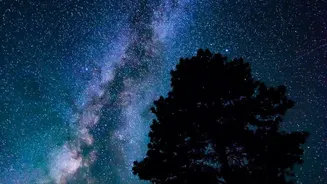
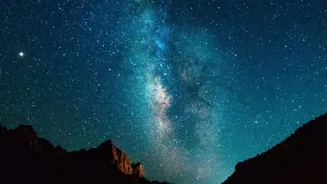
Astrotourism, or dark-sky tourism, is the practice of travelling to destinations specifically for stargazing. Globally, over 80% of the world's population lives under 'skyglow'—a haze of artificial light that has effectively erased the Milky Way from view for most urban dwellers. In response, a movement to preserve natural darkness has gained momentum, leading to the designation of Dark Sky Parks and Reserves. These are areas where communities and authorities make a concerted effort to minimise light pollution through measures like shielded fixtures and low-impact lighting. While India's first official Dark Sky Reserve was established in Hanle, Ladakh, the ethos is now spreading to other pristine Himalayan regions.
Himachal's Starry Sanctuaries
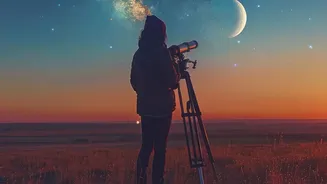
Himachal Pradesh, with its high-altitude deserts and remote valleys, is perfectly positioned for this celestial tourism. Spiti Valley has long been a favourite for astrophotographers due to its clear, dry air and elevation. Recognizing this potential, the state government has recently launched initiatives to formally promote astrotourism. In places like Kaza, the government has provided high-powered telescopes to local youth and homestay owners, training them to guide tourists through the cosmos. Villages such as Langza, known as the 'fossil village', along with Hikkim and Tabo in Spiti, are becoming hubs for this new form of sustainable enterprise. Other accessible destinations like Jibhi and Tirthan Valley are also gaining popularity for their balance of dark skies and comfortable homestay experiences.
More Than Just Telescopes
The appeal of astrotourism in Himachal goes beyond just looking at stars. It is a deeply immersive, community-led experience. Visitors often stay in local homestays, eat traditional food, and spend their days exploring the unique culture and stark landscapes of the region. The stargazing sessions themselves are often led by local guides who have been trained to operate telescopes and share knowledge about constellations and celestial events. This model does more than just provide a unique travel experience; it creates sustainable livelihood opportunities for people in remote communities, directly linking economic prosperity with the preservation of the natural environment.
A Sustainable Future for Tourism
This shift represents a more conscious and sustainable approach to travel. By creating value from an intangible resource like a dark sky, these communities are diversifying their economies without putting excessive strain on fragile ecosystems. Unlike mass tourism, which often leads to environmental degradation, astrotourism incentivizes conservation. The darker the sky, the better the experience, making light pollution the enemy and preservation the goal. This community-driven model ensures that the benefits of tourism are distributed locally, empowering villagers and helping to protect both their cultural heritage and the natural splendour that makes these places so special.