





Why Assuming Accessibility is a Gamble
Modern Indian airports are vast and complex. While many, like those in Delhi, Mumbai, and Bengaluru, have significantly improved accessibility, you can't always assume your path will be entirely barrier-free. An aerobridge might lead to a gate area down
a sudden flight of stairs, or a premium lounge could be tucked away on a mezzanine level with only an escalator for access. For passengers with reduced mobility, elderly travellers, or parents with strollers, these unexpected obstacles can cause significant stress and delays. The key to a seamless journey isn't hoping for the best; it's confirming the details before you even leave for the airport.
The Ultimate Solution: Requesting Airline Assistance
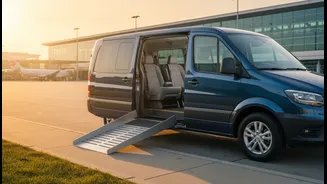
The most effective way to guarantee a stair-free path is to bypass the uncertainty altogether by requesting special assistance from your airline. Under Directorate General of Civil Aviation (DGCA) regulations, all Indian carriers must provide free wheelchair assistance to passengers with reduced mobility. This service should be requested at least 48 hours before your flight, either during booking or via the 'Manage Booking' section on the airline's website. When booking, you’ll often see codes like WCHS (passenger cannot climb stairs), which ensures staff are aware of your specific needs. This service creates a guided path from check-in, through a priority security lane, and directly to the boarding gate, often including buggy services for long distances.
Investigating Airport and Lounge Websites
If you prefer to navigate independently, your first port of call should be the official websites of the airports you're transiting through. Major airports have dedicated 'Accessibility' or 'Passenger Services' pages that detail available facilities. Delhi Airport's website, for instance, provides information on PRM (Passengers with Reduced Mobility) friendly washrooms, dedicated lanes, and buggy services. These sites often feature terminal maps. Look for the universal symbols for lifts (elevators) and ramps to plan your route. For lounge access, check the website of the lounge provider (e.g., a specific airline or a third-party like Priority Pass). If accessibility information isn't clearly stated, look for a contact number or email to inquire directly. It’s a small step that can save a lot of hassle.
Using Airport Apps and Crowdsourced Info
In today's digital age, information is at your fingertips. Many major airports have their own apps with interactive maps that can help you locate elevators and plan a step-free route. Some apps even allow you to contact airline support directly. Beyond official sources, don't underestimate the power of fellow travellers. Websites like TripAdvisor and dedicated aviation forums such as FlyerTalk are invaluable resources. A quick search for 'lounge accessibility at Mumbai T2' might yield recent reviews or forum discussions from people who have firsthand experience. This crowdsourced information can provide practical insights that official channels might miss, such as a temporarily out-of-service lift or the best route to take.
What About Lounges Specifically?
Requesting airline-provided wheelchair assistance will get you to the gate, and the assistance staff will typically take you to a lounge if you ask. They will drop you off and arrange a pick-up time to get you to your gate for boarding. However, it is wise to confirm with the lounge staff upon arrival to ensure your pick-up is coordinated. If you are navigating on your own, verifying the lounge's accessibility is crucial before you make the trek. Many lounges are located on upper floors, and while most have lift access, it's not a guarantee. A quick call or email to the lounge operator is the most reliable method. Remember that the airline's responsibility is to get you to the aircraft; lounge access is a separate amenity with its own accessibility considerations.