
A Modern Canvas for Ancient Stories
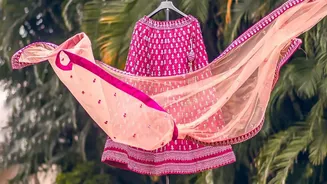
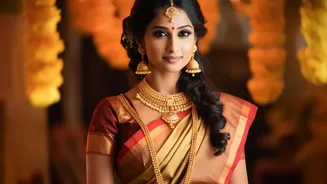
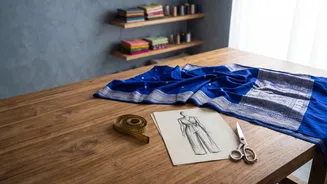
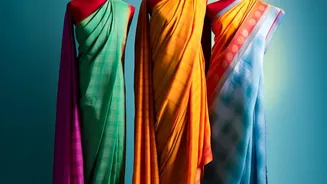
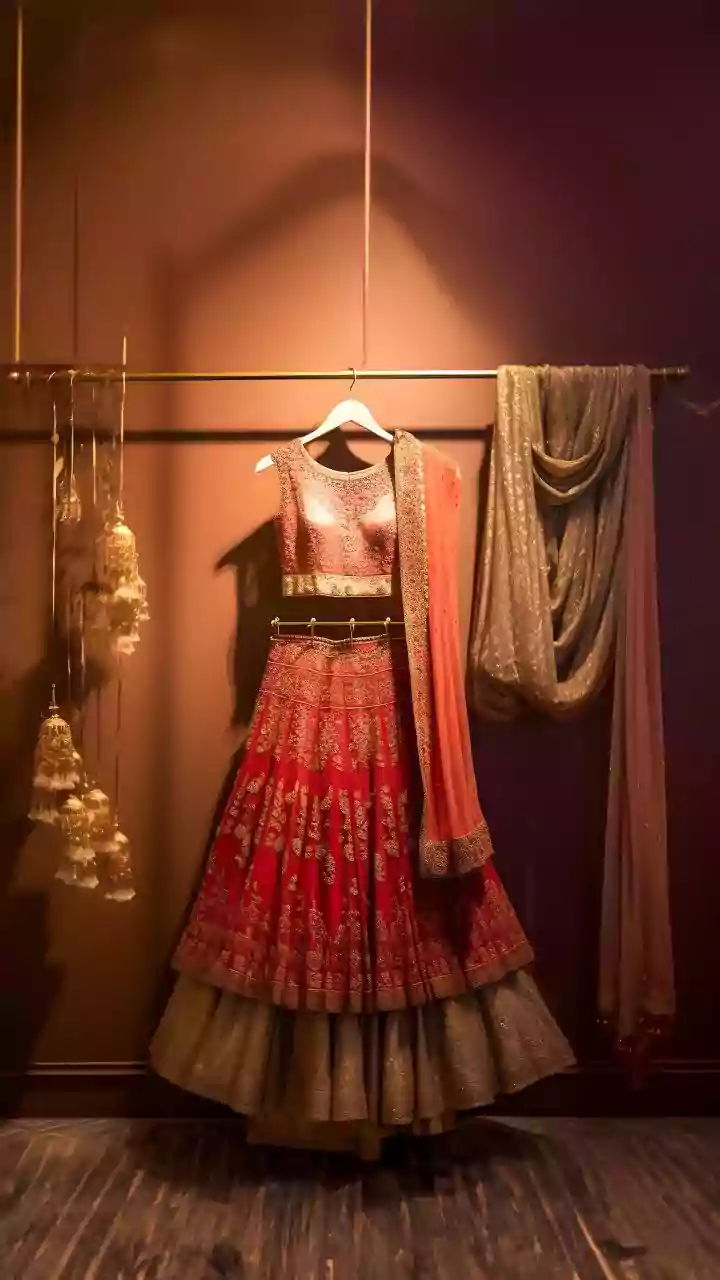
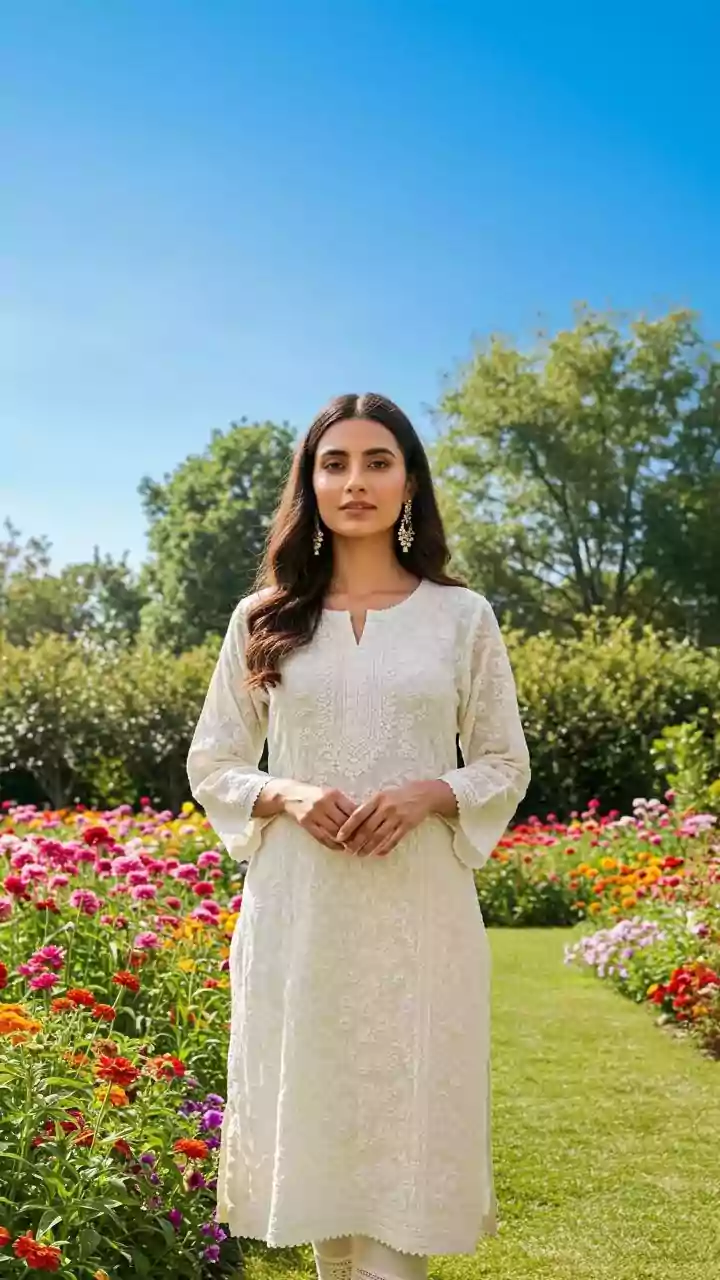
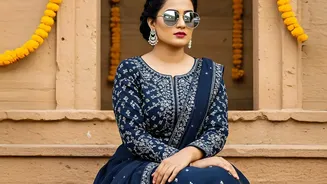
For years, the worlds of contemporary design and heritage craftsmanship seemed to exist on separate planes. One prized minimalism and novelty, the other championed tradition and complexity. Heritage techniques like Chikankari, Zardozi, or Banarasi weaving
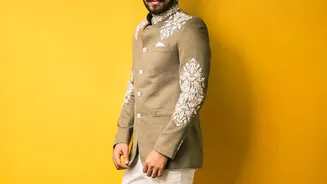
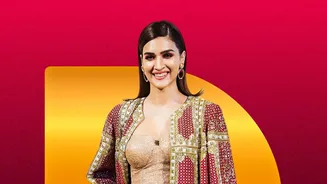
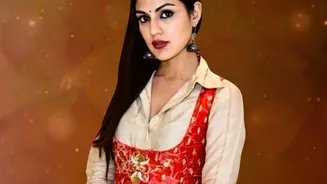
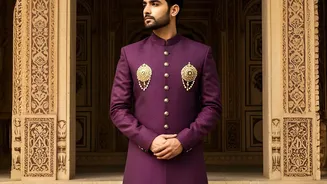
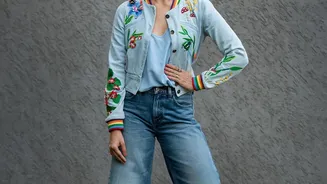
were often confined to traditional garments, reserved for weddings and special occasions. But today's designers are proving that this is a false dichotomy. They are discovering that modern, often simpler, silhouettes—like sharp blazers, structured dresses, jumpsuits, and even denim jackets—provide the perfect, uncluttered canvas to showcase the breathtaking intricacy of these crafts. By removing the fuss of traditional drapes and cuts, the craftsmanship itself becomes the star. An embroidered motif is no longer just part of a garment; it is the focal point.
Making Heritage Wearable Everyday
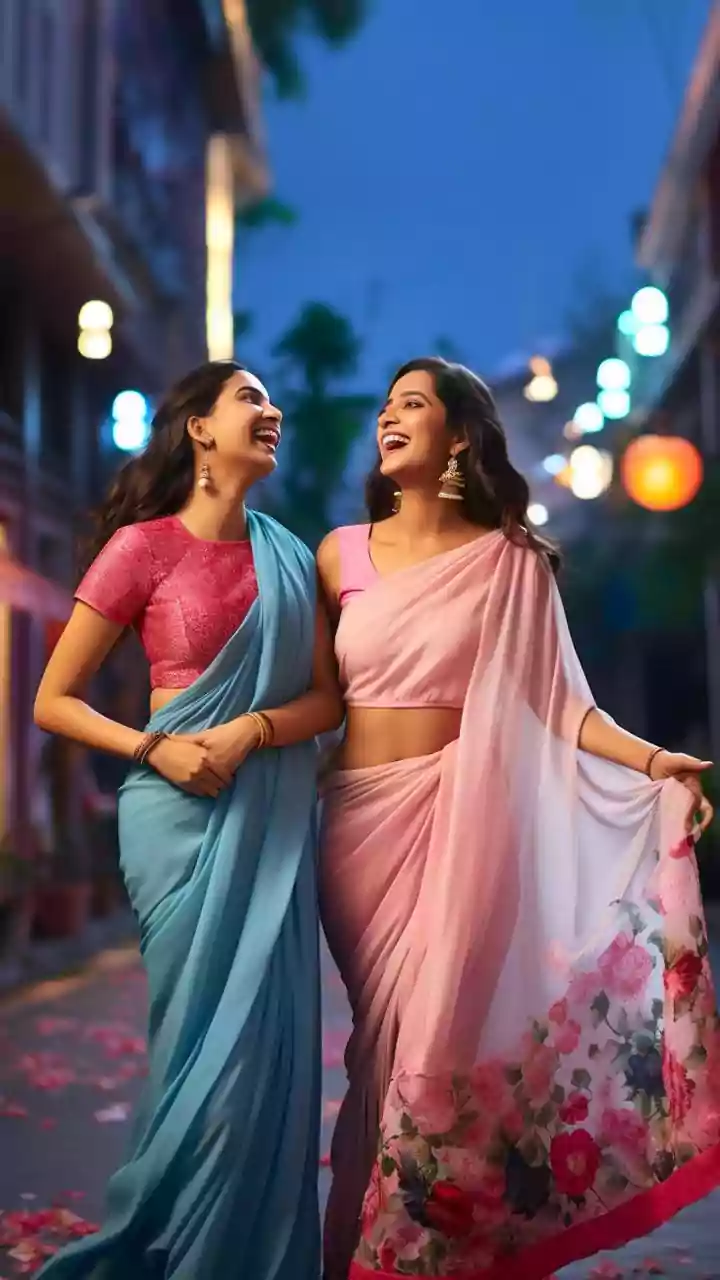
The fusion of old and new is about more than just aesthetics; it's about relevance. When a traditional craft like Lucknow's delicate Chikankari embroidery appears on a crisp poplin shirt or a denim jacket, it is instantly transformed from occasional wear into something modern and versatile. This approach allows a new generation to incorporate heritage into their daily lives, pairing an embroidered top with jeans for a casual brunch or a silk-brocade blazer with trousers for the office. Designers like Sabyasachi Mukherjee, Anita Dongre, and a new wave of emerging labels are masters of this translation, creating pieces that feel both rooted in Indian identity and aligned with a global, contemporary lifestyle. This shift moves priceless skills from the museum shelf into the modern wardrobe, ensuring they are not just preserved, but actively worn and loved.
A Sustainable Model for Fashion
This trend offers a powerful antidote to the relentless churn of fast fashion. By focusing on high-quality, handcrafted details, designers are creating investment pieces that are built to last, both in terms of durability and style. The slow, deliberate nature of handwork—whether it's handloom weaving, intricate embroidery, or block printing—stands in stark contrast to mass production. This movement champions what designer Rahul Mishra calls 'slow fashion,' which not only respects the environment but also the human element behind the clothes. It creates a direct economic lifeline for artisan communities across India, ensuring that skills passed down through generations continue to provide dignified livelihoods. By giving these crafts a place in the high-demand contemporary market, the industry is helping to sustain entire ecosystems of skill and culture.
The Global Ambassador
This combination of modern forms and traditional techniques has proven to have immense global appeal. While a fully traditional Indian outfit might feel intimidating to a global consumer, a structured jacket with Zardozi detailing or a minimalist dress made from Banarasi brocade is universally understood and appreciated. Designers are acting as cultural translators, taking the essence of Indian craftsmanship and presenting it in a language the whole world can understand. Rahul Mishra’s success at Paris Haute Couture Week is a testament to this, where he positions Indian craftsmanship not just as inspiration, but as the pinnacle of luxury creation itself. This approach doesn't dilute the heritage; it amplifies it, turning each garment into a global ambassador for Indian artistry.