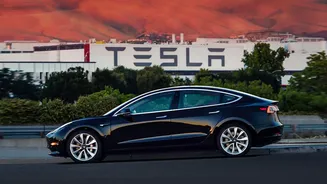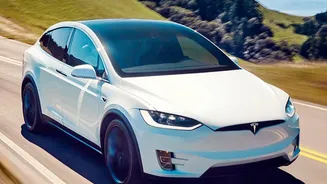



Tesla has always made headlines with audacious goals, but its latest move is a significant tell about its future. The company is shifting its focus toward a purpose-built Robotaxi, signaling a pivot that is about much more than just a new car.
What is the Robotaxi?
The Tesla
Robotaxi, officially called the 'Cybercab', is a small, two-seat vehicle designed from the ground up for full autonomy. It has no steering wheel and no pedals. The interior is designed like a compact lounge with a large touchscreen for passengers. First unveiled in October 2024, the vehicle is the physical manifestation of Elon Musk's long-held vision for an autonomous ride-hailing network. Unlike modifying existing consumer cars like the Model Y, the Cybercab is engineered specifically for one purpose: to operate as a driverless taxi, maximizing efficiency and minimizing operating costs. These vehicles are already operating in a limited capacity, having been added to Tesla's public robotaxi fleet in Austin, Texas in September 2026.
A Major Strategic Pivot
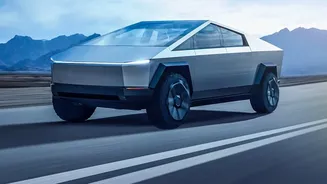
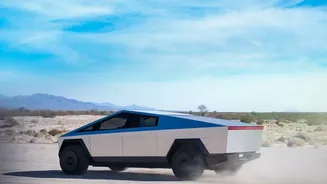
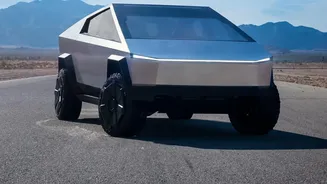
To accelerate the Cybercab's future, Tesla is making a dramatic change at its Texas Gigafactory. Production of the distinctive, stainless-steel Cybertruck will be wound down by mid-2027 to free up factory space and resources for the Robotaxi. This move has been polarizing for fans but underscores a clear strategic choice. The Cybertruck, despite its initial hype, faced production delays and sales that didn't meet early, optimistic projections. By contrast, Musk sees the Cybercab as the vehicle that will 'profoundly transform the world of terrestrial transport'. The company's leadership believes the potential return from a global autonomous taxi network far outweighs the profits from selling individual trucks. This pivot reframes Tesla's primary goal from being just a car manufacturer to becoming a high-tech mobility service provider.
The 'Unboxed' Manufacturing Revolution
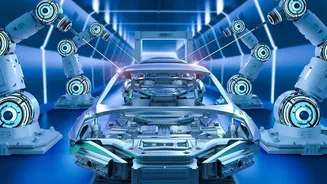
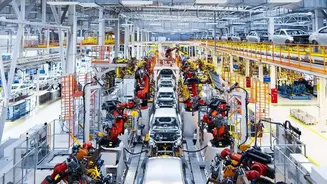
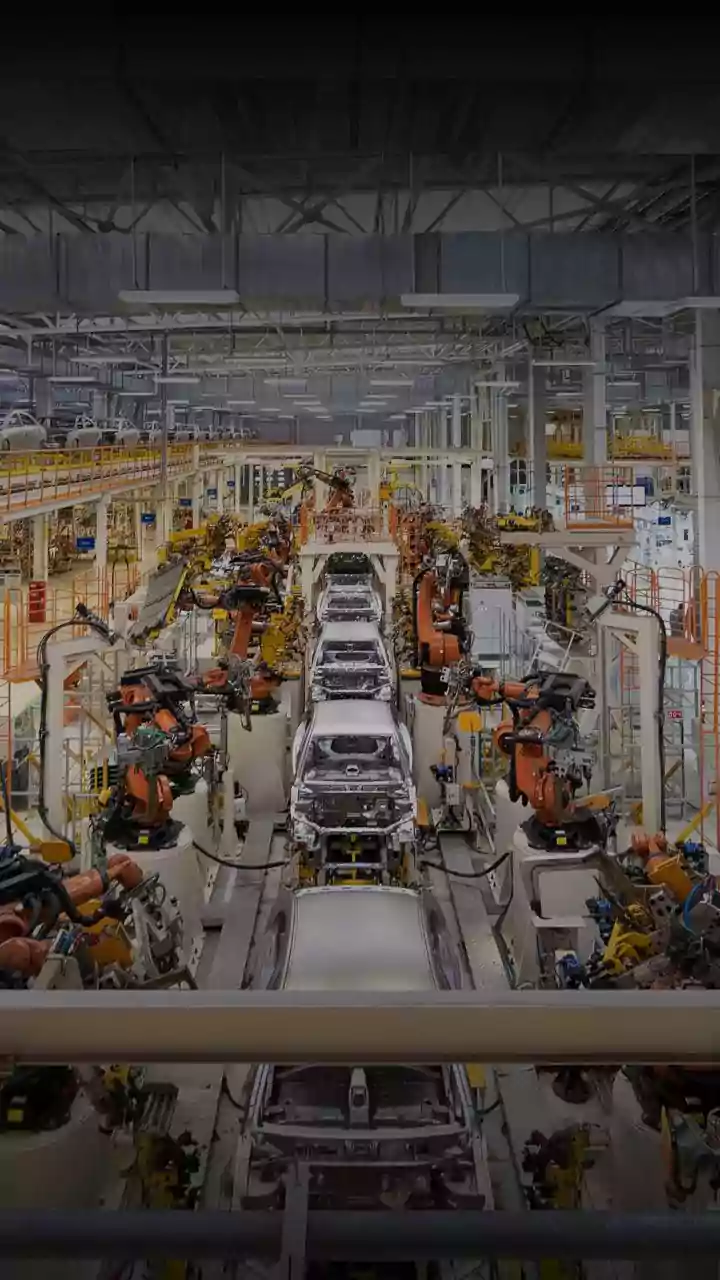
Central to the Robotaxi plan is a radical new production method Tesla calls the 'unboxed' process. Instead of a traditional assembly line where a car frame moves sequentially from station to station, the unboxed method involves building large modules of the car—like the front, rear, and floor—in parallel. These completed sections are then brought together for final assembly. Tesla claims this revolutionary approach, which it is pioneering for the Cybercab, could reduce manufacturing costs by up to 50% and shrink a factory's footprint by 40%. This efficiency is not just an engineering flex; it's the core economic enabler that could make a low-cost, mass-produced robotaxi fleet profitable. By reinventing the assembly line, Tesla hopes to build Robotaxis faster and cheaper than any car in history.
High Risks, Higher Rewards
Despite the bold vision, Tesla's Robotaxi gamble is fraught with risk. The entire business model depends on achieving true, unsupervised full self driving technology—a goal that has been promised for years but remains elusive and faces immense regulatory and safety hurdles. Competitors like Waymo have been operating robotaxi services for years, and public trust in autonomous vehicles is still developing. Furthermore, by deprioritizing vehicles like the Cybertruck and the long awaited affordable 'Model 2', Tesla risks alienating consumer markets it once sought to dominate. Yet, the potential reward is astronomical. If Tesla succeeds, it won't just be selling cars; it will be operating a global, high margin transportation network. The company would capture revenue from every ride, transforming its financial structure and potentially justifying its sky high valuation in a way that simply selling hardware never could.