



The Air Fryer Advantage
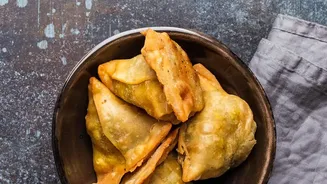
An air fryer is essentially a compact convection oven that circulates hot air at high speed to cook food. This process mimics the effects of deep-frying by creating a crisp exterior, but with up to 80% less oil. For samosas, this means you can achieve
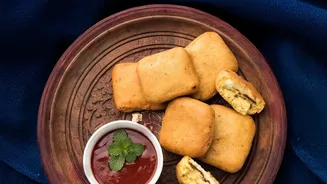
a golden, flaky pastry without the mess of a kadai full of hot oil or the lingering greasy smell in your kitchen. It’s a healthier, convenient way to enjoy this classic snack, making it perfect for a quick evening treat or for serving guests without the heavy feeling afterwards.
Mastering the Samosa Dough
The secret to a crispy, non-greasy air fryer samosa begins with the dough. The consistency needs to be firm and stiff, not soft like a roti dough. To achieve this, use cold water and knead it gradually into your flour, salt, and ajwain (carom seeds) mixture. A crucial ingredient is the fat—ghee, oil, or even vegetable shortening—which should be rubbed into the flour until it resembles breadcrumbs. This process, known as 'moyan', is what creates a flaky crust. Once kneaded, the dough must rest, covered with a damp cloth, for at least 30 minutes to make it easier to roll.
Perfecting the Potato Filling
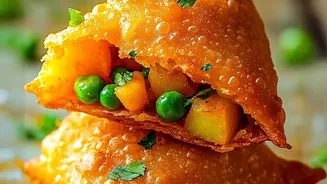
A classic aloo matar (potato and pea) filling is the heart of a good samosa. For air frying, it's important that the filling is not too moist, as excess steam can make the pastry soggy from the inside. Ensure your boiled potatoes are mashed roughly, not into a fine paste, and that the spiced mixture is relatively dry. After sautéing your spices like cumin, ginger, and coriander powder, add the potatoes and peas. A key tip is to let the filling cool down completely before you start stuffing the samosas. A warm filling can make the dough difficult to handle and prevent it from crisping up properly.
The Air Frying Process
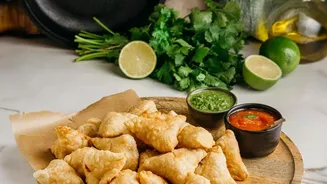
For the best results, always preheat your air fryer for a few minutes, typically to around 180°C to 190°C (350°F to 375°F). Before placing the samosas in the basket, brush them lightly with oil on all sides. This is a non-negotiable step for achieving that desirable golden-brown colour and crunch. Arrange the samosas in a single layer, ensuring they don't touch or overcrowd the basket; this allows hot air to circulate freely for even cooking. Cook for about 15-20 minutes, flipping them halfway through. Some cooks even recommend a two-stage method: cook at a lower temperature (160°C) first to cook the dough through, then finish at a higher temperature (200°C) for extra crispiness.
Pro Tips for Ultimate Crispiness
Several common mistakes can lead to disappointing results. Firstly, never thaw frozen samosas before air frying; they should go in straight from the freezer. Secondly, don't overstuff the pastry cones, as this can cause them to split open during cooking. When sealing the edges, use a tiny amount of water to create a paste—too much moisture can prevent a proper seal. Finally, don’t skip flipping the samosas. Turning them over halfway through the cooking time is essential for ensuring both sides become equally brown and crispy. Let them rest for a minute or two after cooking; they will continue to crisp up as they cool slightly.