

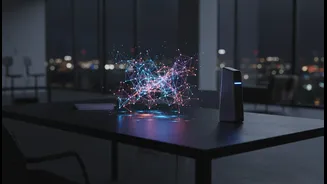


From Clipart to Custom Creations
For decades, the formula for a college presentation was simple: a handful of bullet points on a slide, maybe spiced up with a grainy stock photo or some dated clipart. The result was often functional but visually uninspired. Today, that is rapidly changing.
Indian students, known for their tech-savvy and competitive drive, are at the forefront of a new trend. Instead of spending hours searching for a ‘good enough’ image on Google, they are creating the exact image they need from scratch using artificial intelligence. This shift allows them to produce hyper-specific, unique, and professional-grade visuals that were once the exclusive domain of graphic designers. The dreaded presentation is no longer just a report; it's becoming a canvas for creativity.
The Digital Artist's Toolkit
The barrier to entry for this new creative wave is surprisingly low, thanks to a host of powerful yet increasingly user-friendly AI tools. Platforms like Midjourney, DALL-E 3 (often accessed via ChatGPT), and Leonardo AI are leading the charge. Midjourney is celebrated for its ability to generate artistic and atmospheric images, perfect for setting a mood or creating evocative cover slides. DALL-E excels at understanding natural language, making it great for generating direct, illustrative visuals that match a specific description. Other tools are also gaining traction, each with its own strengths. This diverse toolkit means students can pick the right generator for their specific need, whether it's a photorealistic image for a business case or an abstract concept for a humanities lecture.
Beyond Just a Pretty Picture
The real power of this technology isn't just about making slides look better; it's about communicating ideas more effectively. Students are using AI to create visuals that serve a distinct purpose. This includes designing seamless, thematic backgrounds that unify an entire presentation, or generating custom icons and logos for a project to give it a unique brand identity. For complex topics, AI can illustrate abstract concepts—visualising a scientific process or creating a metaphor for a business strategy. Imagine a history presentation featuring a photorealistic depiction of an ancient city, or a marketing pitch with custom-designed mascots. This moves presentations from simple information delivery to compelling storytelling.
The Prompt Is the New Power Skill
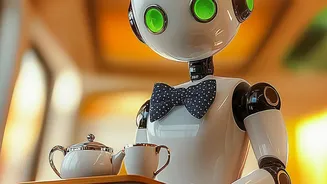
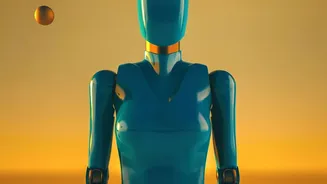
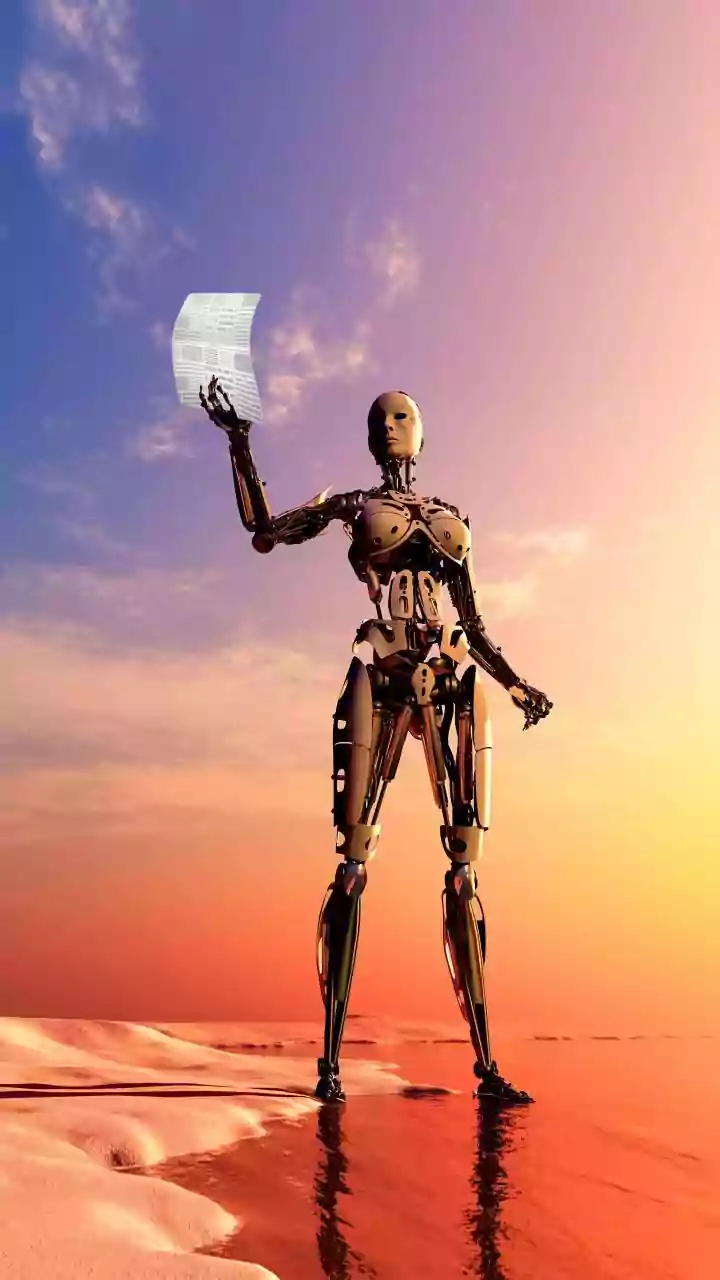
Using these tools is not as simple as pressing a button. The quality of the output depends almost entirely on the quality of the input, known as the 'prompt'. This has given rise to a new skill: prompt engineering. A great prompt is a detailed description of the desired image, specifying not just the subject but also the style, lighting, composition, and mood. For example, instead of “a robot,” a student might write, “A friendly, retro-style robot in the style of 1950s science fiction art, standing in a brightly lit, modern classroom.” Learning to write effective prompts is becoming a valuable skill in itself, teaching students to think visually and articulate their creative vision with precision. It’s a new form of digital literacy.
Walking the Academic Tightrope
As with any new technology in education, AI image generation raises important questions about academic integrity. Is using AI to create an image for a presentation a form of cheating? The answer is complex and varies between institutions. Many universities are still developing formal policies. Some may have no rules, while others may require students to disclose their use of AI tools. The ethical high ground for students is transparency. A simple credit line, such as “Images generated using Midjourney,” is often enough to acknowledge the tool's role. It's crucial for students to check their college's specific guidelines, as passing off AI work entirely as their own could be considered plagiarism.
The Risks and Responsibilities
While the benefits are clear, there are potential downsides. An over-reliance on AI could risk homogenising creative styles or stifling a student's own design skills. Furthermore, AI generators are not perfect; they can produce images with strange artifacts or inaccuracies, and they can sometimes perpetuate biases from their training data. There is also a responsibility on the user to ensure the generated image is appropriate and factually sound for the context. The key is to treat AI as a powerful assistant, not an infallible creator. Students must remain the critical thinkers and editors of their own work, using the technology to enhance their message, not to replace their effort.