





The Protein Boom in India
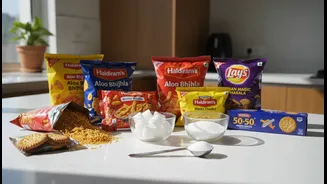
Walk down any supermarket aisle, and you’ll see it: protein-fortified everything. From chips and cookies to breakfast cereals and, of course, the ever-present protein bar. This trend has firmly taken root in India, where busy urban lifestyles demand convenient
nutrition. Many people are turning to these snacks to supplement vegetarian diets, fuel workouts, or simply find a filling snack to get through the day. Protein is essential for building muscle, repairing tissue, and keeping you feeling full. Given that many traditional Indian diets can sometimes fall short on daily protein requirements, these snacks seem like a perfect fix. But this convenience comes with a catch.
The Serving Size Trap
The biggest misconception surrounds the serving size. A snack might be advertised with a tempting '20 grams of protein', but this often applies to the entire package, which may contain two or more servings. It's easy to consume an entire packet under the impression of having a healthy, single-serving snack. This is where the problems begin. Overconsumption, even of seemingly healthy foods, can lead to an excessive intake of calories, fats, and sugars that are often packed into these processed snacks to make them palatable. Regularly eating more than you need can contribute to weight gain and other health issues, defeating the purpose of choosing a 'healthy' snack in the first place.
Reading Beyond the Health Halo
Many protein snacks are wrapped in a 'health halo'. Bold claims like 'high protein' or 'natural ingredients' can be misleading. Some protein bars are little more than candy bars in disguise, loaded with added sugars, unhealthy fats, and artificial ingredients. A single bar can contain as much sugar as a dessert, with some packing in over 20 grams. The Indian Council of Medical Research (ICMR) advises keeping a check on such processed foods. It is crucial to look at the entire nutrition label. Aim for snacks with less than 8 grams of added sugar and avoid those with partially hydrogenated oils or long lists of unpronounceable ingredients.
When Protein Is Too Much
While essential, there is a limit to how much protein the body can effectively use at one time, typically around 20-40 grams in a single meal. Most adults need about 0.8 grams of protein per kilogram of body weight daily, though this can be higher for very active individuals or older adults. Consistently eating far more protein than your body needs, especially from processed sources, can strain your kidneys. It can also lead to digestive issues like bloating and constipation. Moreover, excess protein that the body can't use for muscle repair is often stored as fat, which can lead to unwanted weight gain.
Smarter Snacking Strategies
This isn't to say all protein snacks are bad; they can be a useful tool when used correctly. The key is moderation and making informed choices. When you need a quick, convenient option, choose bars with at least 10-15 grams of protein and more protein than sugar. Look for ingredients you recognise, such as nuts, seeds, and whole grains. However, it's always better to prioritise whole foods. They come packed with fibre and other micronutrients that processed snacks lack. Combining protein with fibre or healthy fats can keep you fuller for longer.
Whole-Food Protein Alternatives
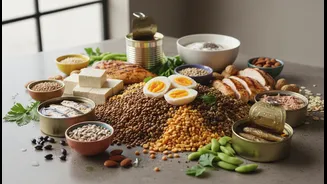
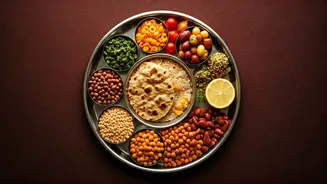
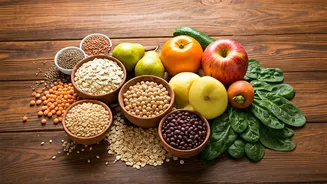
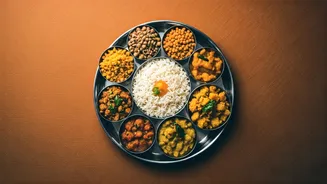
India’s own pantry offers a wealth of affordable, high-protein snacks. A handful of roasted chana (Bengal gram) provides a fantastic 10-11 grams of protein. Other excellent options include Greek-style curd (dahi), a couple of boiled eggs, a small bowl of sprouted moong chaat, or grilled paneer. Even simple pairings like an apple with a spoonful of natural peanut butter can provide a balanced mix of protein, fibre, and healthy fats. These whole-food snacks are not only nutritious but also free from the hidden sugars and artificial additives found in many packaged products.