



Tired of leafy greens like spinach or amaranth melting into your curries? There’s a wonderful alternative hiding in plain sight: the banana flower. This unsung hero of the vegetable world offers a uniquely firm and satisfying bite that holds its own.
What Exactly Is a Banana Flower?
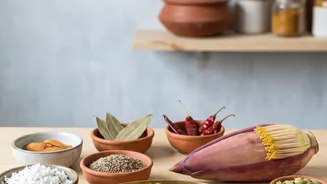
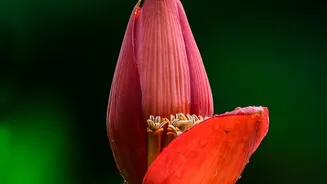
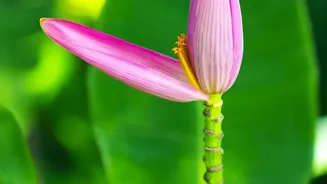
Known as 'vazhaipoo' in Tamil, 'mochar' in Bengali, and banana blossom in English, the banana flower is the large, purplish, tear-drop-shaped flower that grows at the end of a banana fruit cluster. While we often focus on the fruit, this flower is an edible and delicious vegetable in its own right, celebrated in South and Southeast Asian cuisines for centuries. Beneath the tough, dark outer petals lie tender, pale florets. It is these florets, along with the softer heart of the blossom, that are used in cooking. Its flavour is mild and slightly nutty, with a subtle bitterness that mellows beautifully when cooked, making it a versatile carrier for the bold spices found in Indian masalas.
The Unique Textural Advantage
The headline's claim is the core appeal for many cooks. When you add soft leafy greens like spinach or fenugreek (methi) to a simmering curry, they wilt almost immediately, losing their structure and becoming part of the gravy. While delicious, they don't offer much in the way of texture. The banana flower is different. Its florets have a tender-crisp quality that softens during cooking but doesn't disintegrate. The result is a pleasant, meaty chewiness that provides a substantial bite. This makes it an excellent ingredient for those seeking more textural variety in their vegetarian dishes. It soaks up the flavours of the surrounding gravy without turning to mush, ensuring every spoonful has a satisfying consistency.
A Powerhouse of Nutrients
Beyond its textural appeal, the banana blossom is packed with health benefits. It is a good source of dietary fibre, which is essential for digestive health. Traditional medicine has long valued it for its properties, and modern studies are catching up. It contains essential minerals like potassium, magnesium, and iron, as well as a range of antioxidants. Some research suggests it may help in managing blood sugar levels and has antiseptic qualities. While it is not a substitute for medicine, incorporating it into your diet is a flavourful way to add a host of beneficial nutrients to your meals.
Your Guide to Preparation
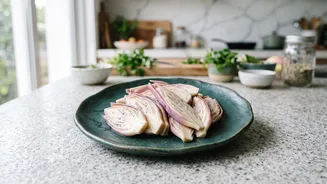
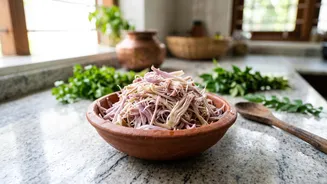
Preparing a banana flower can seem intimidating, but it's straightforward once you know the steps. First, oil your hands to prevent staining from its sap. Peel away the tough, dark outer layers (bracts) until you reach the paler, more tender heart. Under each bract, you will find a row of small florets. For the larger, older florets, you must remove the tough outer petal (calyx) and the central stalk (pistil) as they are bitter and inedible. The smaller, younger florets towards the core can often be used whole. Once cleaned, chop the florets and the tender heart and immediately place them in a bowl of acidulated water (water with lemon juice or buttermilk) to prevent them from browning. This preparation is the key to a delicious, non-bitter dish.
Classic Dishes to Inspire You
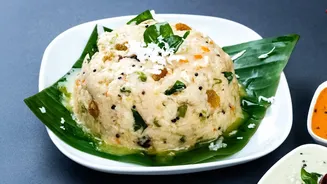
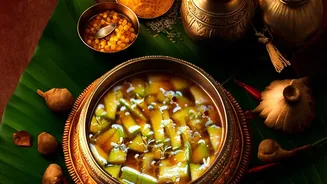
The best way to experience the banana flower is through the classic recipes that have perfected its use. In South India, 'Vazhaipoo Poriyal' is a popular dry stir-fry where the chopped flower is cooked with mustard seeds, lentils, coconut, and chillies. This dish beautifully highlights its firm texture. In Bengal, 'Mochar Ghonto' is a rich, semi-dry curry where the blossom is cooked with potatoes, coconut, and a fragrant blend of spices like cinnamon and cardamom. It's a celebratory dish that showcases the flower's ability to absorb complex flavours. You can also add chopped banana flower to dals, lentil patties (vadas), or even use it as a hearty filling for cutlets.