







1. Fortify Your Immunity
The monsoon brings a spike in viral fevers, colds, and flu. Your first line of defence is a strong immune system. Incorporate immunity-boosting foods into your diet like citrus fruits (amla, oranges), ginger, garlic, and turmeric. A warm bowl of soup
or a cup of herbal tea can be both comforting and beneficial. Avoid excessively oily and heavy foods, as they can slow down digestion, which is naturally weaker during this season. Staying hydrated is also crucial, but stick to boiled or filtered water to prevent water-borne diseases.
2. Mosquito-Proof Your Surroundings
Stagnant water is a breeding ground for mosquitoes, which spread diseases like dengue, malaria, and chikungunya. Do a weekly check of your home and surroundings. Don't let water collect in flower pots, old tyres, air cooler trays, or any open containers. Use mosquito nets, repellents, and ensure your window screens are intact. Wearing long-sleeved clothing, especially during dawn and dusk when mosquitoes are most active, can provide an extra layer of protection.
3. Mind Your Footwear
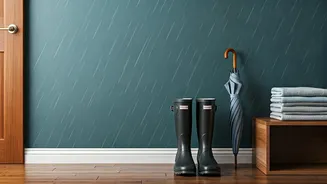
Leather and canvas shoes are a poor choice for the monsoon; they get ruined by water and take forever to dry, creating a breeding ground for fungi. Opt for rubber or synthetic footwear like floaters, crocs, or waterproof sandals. These are easy to clean, dry quickly, and provide a better grip on slippery surfaces. Always wash and dry your feet thoroughly after wading through rainwater to prevent fungal infections, which are extremely common during this season.
4. Waterproof Your Valuables
Your smartphone, wallet, and other electronics are vulnerable to water damage. Invest in a good quality waterproof bag or use zip-lock pouches to protect your gadgets when you step out. If you carry a laptop, a waterproof backpack or a separate rain cover is a must. It’s a small investment that can save you from the major expense and hassle of repairing or replacing water-damaged devices.
5. Inspect Your Home's Wiring
High humidity and moisture can pose a serious electrical hazard. Before the rains intensify, get a qualified electrician to inspect your home's wiring for any faults or exposed wires. Ensure all switches are covered and there's no leakage near electrical sockets. If you notice a wall is damp, avoid touching any switches or appliances on it. Use a surge protector for expensive electronics like TVs and computers to shield them from voltage fluctuations common during thunderstorms.
6. Be Cautious with Street Food
The craving for hot pakoras and chai is real, but be extra cautious about street food during the monsoon. High humidity and exposure to contaminated water can lead to a rapid increase in bacteria, making food poisoning, cholera, and typhoid a significant risk. If you must indulge, choose vendors with high standards of hygiene. It's safest to prepare your favourite monsoon snacks at home where you can control the quality of the ingredients and water used.
7. Prep Your Vehicle for Wet Roads
If you drive a car or ride a two-wheeler, a pre-monsoon check-up is non-negotiable. Ensure your tyres have adequate tread to grip wet roads and prevent skidding. Check your brakes, headlights, and wipers to make sure they are in perfect working order. Driving through waterlogged streets can damage your engine, so it's best to avoid them if possible. Drive slowly and maintain a safe distance from the vehicle ahead, as braking distances increase on wet surfaces.
8. Combat Humidity and Mould Indoors
The dampness of monsoon can lead to mould and a musty smell inside your home. Ensure good ventilation by opening windows for a few hours on dry, sunny days. Use dehumidifiers or place moisture-absorbing products like silica gel pouches in your wardrobes and cupboards. Neem leaves or cloves can also be used as natural alternatives to prevent fungal growth on clothes and wooden furniture. Keep clothes and walls from feeling perpetually damp.
9. Tweak Your Skincare Routine
High humidity can make your skin feel oily and sticky, leading to breakouts. Switch to a lighter, water-based moisturiser. Don't skip sunscreen just because it's cloudy; UV rays can still penetrate the clouds and damage your skin. A soap-free cleanser will help remove grime without stripping your skin of its natural oils. For those with oily or acne-prone skin, using a clay-based face mask once a week can help absorb excess sebum.
10. Pack a Monsoon Emergency Kit
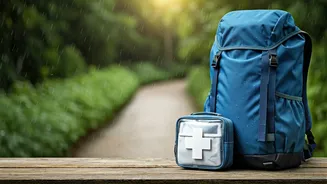
You never know when you might get stuck due to a sudden downpour or traffic jam. Keep a small emergency kit in your bag or car. This should include a sturdy umbrella or a compact raincoat, a small towel, a hand sanitiser, a power bank for your phone, and some non-perishable snacks like protein bars or nuts. Having these essentials on hand can make an unexpected delay far more comfortable and manageable.