






Embracing a Monsoon Ritual
As the rain cools the air, our bodies naturally seek warmth. This is why a hot cup of tea feels so perfect during the monsoon. In India, turning to herbal infusions during this season is a practice rooted in tradition, often guided by Ayurvedic principles
that focus on maintaining balance as the weather changes. These brews, made from herbs and spices, are not just comforting; many are traditionally used to support digestion and immunity when the damp weather makes us more susceptible to colds and coughs. Popular choices like ginger, tulsi, and turmeric have been trusted for generations to bolster well-being during the rainy season.
Choosing the Right Herbs
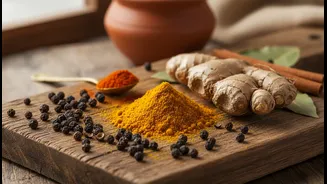
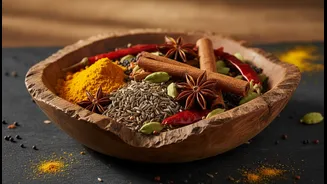
The foundation of a good herbal infusion is quality ingredients. During the monsoon, certain herbs are particularly celebrated for their warming and immune-supporting properties. Look for Tulsi (Holy Basil), known as a natural antiseptic; Ginger, which aids digestion and helps with colds; and Turmeric, with its powerful anti-inflammatory compound, curcumin. Other beneficial additions include Mulethi (Licorice) for a sore throat, Cinnamon for its warming qualities, and Ashwagandha to combat monsoon lethargy. It's best to source these from a trusted vendor to ensure they are free from contaminants.
The Art of Safe Preparation
How you prepare your infusion is as important as what's in it. Start with clean, boiled water to eliminate impurities, which is especially crucial during the monsoon when waterborne illnesses are more common. Use a non-metallic pot if possible to prevent any leaching of unwanted materials. The general rule for a tea is about one to two teaspoons of dried herb per cup of water, steeped for 15-20 minutes. For heartier leaves and flowers, a longer infusion of 4-8 hours can extract more minerals, but always follow specific guidance for the herb you are using. It's important to cover your pot while steeping to prevent beneficial compounds from escaping with the steam.
Moderation is Key
While herbal infusions are beneficial, more is not always better. Excessive intake of any herb can lead to side effects. Experts suggest a cap of around two to three cups of herbal tea per day. Over-consumption can sometimes lead to digestive upset or other unwanted reactions. It's also wise to listen to your body. If you notice any discomfort, it might be best to reduce your intake or try a different herb. Introducing one herb at a time can help you notice how your body reacts to each one individually.
When to Exercise Caution
Herbal infusions are generally safe for most healthy adults, but there are exceptions. Individuals who are pregnant, breastfeeding, or have chronic medical conditions like diabetes or kidney issues should always consult a healthcare provider before incorporating new herbal supplements into their routine. Certain herbs can interact with medications, such as blood thinners. For instance, while chamomile is known for its calming properties, it is sometimes advised against during pregnancy as it can cause uterine contractions. A conversation with your doctor ensures that your wellness ritual remains both enjoyable and completely safe for you.