




What Are Sustainable Agriculture Bonds?
Sustainable agriculture bonds are a type of green or sustainability bond, which are debt instruments used to raise money for specific environmental or social projects. In this case, the funds are earmarked exclusively for initiatives that make farming
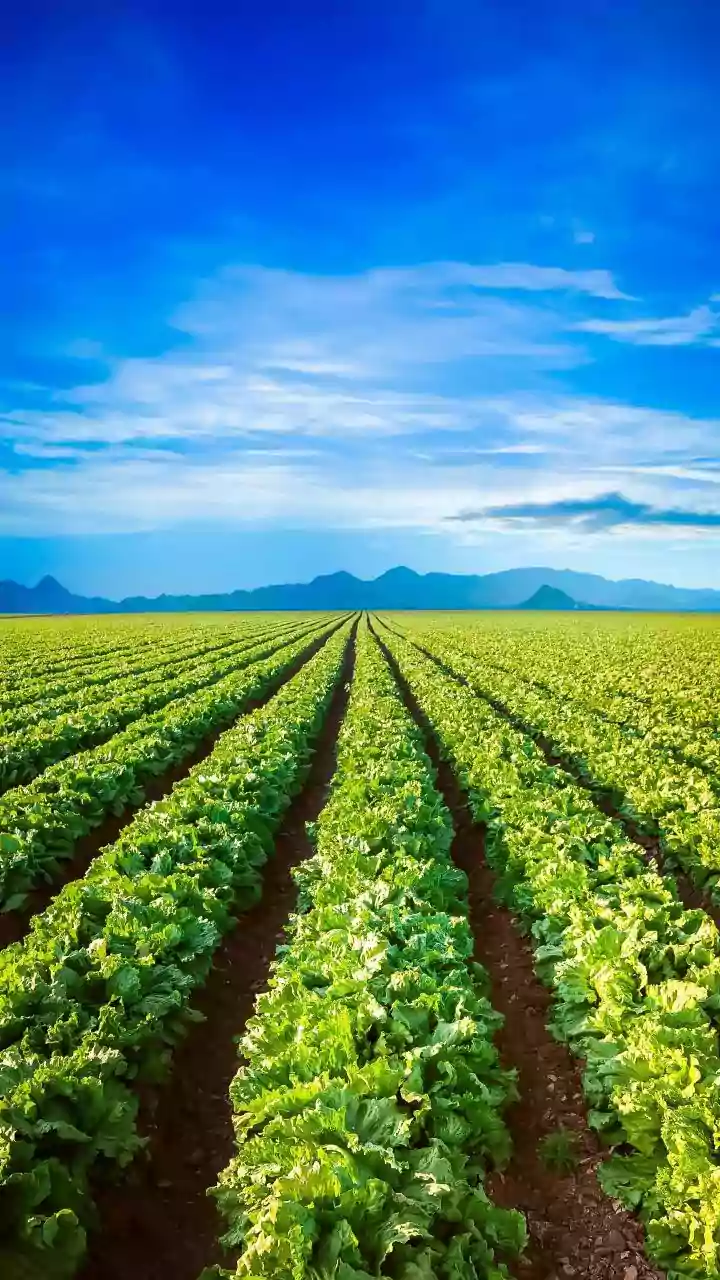
in India more resilient and eco-friendly. Think of projects like improving water conservation and soil health, shifting to organic fertilisers, adopting renewable energy on farms, or building climate-safe infrastructure like solar-powered cold storage. In India, these bonds are part of a broader push for sustainable finance, governed by a framework from the Securities and Exchange Board of India (SEBI) to ensure transparency and prevent 'greenwashing'. Major developmental institutions like the National Bank for Agriculture and Rural Development (NABARD) are key issuers, using these funds to support the rural economy.
Decoding the Maturity Date
The maturity date is one of the most straightforward yet crucial pieces of information on a bond. It is the date when the issuer is obligated to repay the principal amount, or 'face value', of the bond to the investor. Essentially, it tells you how long your money will be tied up. Maturity dates can be short-term (a few years) or long-term (10 years or more). Your choice depends on your financial goals. If you need your capital back sooner, a shorter-term bond is suitable. If you are investing for a long-term goal, like retirement, a longer maturity might be a better fit, as it often comes with a higher interest rate to compensate you for the longer commitment and associated risks like inflation and interest rate changes.
Understanding Yield: More Than Just the Coupon Rate
This is where many new investors get confused. A bond has a 'coupon rate' and a 'yield', and they are not the same thing. The coupon rate is the fixed annual interest payment the bond issuer promises to pay, expressed as a percentage of the bond's face value. For example, a bond with a face value of ₹10,000 and a 7% coupon rate will pay you ₹700 in interest each year. This rate is fixed when the bond is issued. However, bonds are often traded on a secondary market after they are issued, and their prices can change. This is where 'yield to maturity' (YTM) comes in. YTM is the total return you can expect to earn if you hold the bond until its maturity date, taking into account its current market price, its face value, all future coupon payments, and the time remaining until maturity. It is a more accurate measure of a bond's profitability than the coupon rate alone.
How Price Affects Yield
The relationship between a bond's price and its yield is inverse. If you buy a bond for less than its face value (at a 'discount'), your yield to maturity will be higher than the coupon rate. This is because you receive the same fixed coupon payments but paid less for the bond upfront, and you will still receive the full face value at maturity. Conversely, if you buy a bond for more than its face value (at a 'premium'), your yield to maturity will be lower than the coupon rate. When a bond's market price is equal to its face value, the YTM is the same as the coupon rate. Therefore, the yield provides a real-time reflection of the bond's value in the current market, while the coupon rate is a static feature.
Putting It All Together for an Informed Decision
When looking at an Indian sustainable agriculture bond, consider the maturity date and yield together. Ask yourself: Does the maturity date align with my investment timeline? Is the yield to maturity attractive compared to other bonds with a similar risk profile and maturity? For instance, a 'AAA' rated bond from an issuer like NABARD is considered very safe, so its yield might be lower than a bond from a private corporation with a lower credit rating. Furthermore, with sustainable bonds, you should also look at the 'use of proceeds'. The issuer is required to disclose what specific environmental projects the funds will support. This allows you to ensure your investment is not only financially sound but also creating the real-world impact you want to support, from boosting climate resilience to promoting food security.