


The Science of a Soggy Salad
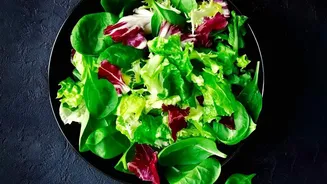
The primary reason your crisp lettuce turns limp is a process called osmosis. Think of each lettuce leaf as a collection of tiny balloons filled with water. This water is what gives the lettuce its structure and crunch, a quality known as turgor pressure.
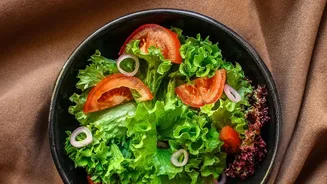
Salad dressings, delicious as they are, are often high in salt and acid. When the dressing coats the leaves, the salt immediately gets to work. Salt is hydrophilic, meaning it attracts water. Through osmosis, water is pulled from inside the lettuce cells—an area of low salt concentration—out into the salty dressing. As the cells lose water, they lose their turgor pressure, causing them to collapse. The result is the wilted, soggy texture we all dread.
It’s Not Just the Greens
While lettuce is the most obvious victim, it’s not the only component at risk. Anything dry and crunchy is susceptible to the moisture in dressings and other wet ingredients like tomatoes or cucumbers. Croutons are a classic example; the dry bread acts like a sponge, soaking up any available liquid and turning from a delightful crunch into a soft, doughy lump. The same goes for toasted nuts, seeds, and crispy fried onions, which lose their satisfying texture when exposed to moisture for too long. Even firmer ingredients can suffer. Some cheeses can become overly soft, and certain fruits can lose their integrity. Protecting these elements is just as crucial as protecting the greens.
The Art of Separation
The most effective strategy is simple: keep wet and dry ingredients apart until the moment you’re ready to eat. This doesn't have to be complicated. The easiest method is to pack your dressing in a separate, small, leak-proof container. This single step is the most important factor in preventing sogginess. For those who prefer an all-in-one solution, modern lunch containers with multiple compartments are a game-changer, allowing you to isolate greens, wet toppings, dry toppings, and dressing. This ensures every component maintains its intended texture right up until you combine them. Even a simple paper towel placed in with your washed greens can help absorb any residual moisture, extending their freshness.
Strategic Layering for Lunch
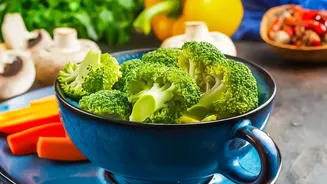
If you're using a single container like a mason jar, the order in which you layer your ingredients is critical. This method uses gravity to your advantage, keeping the most delicate ingredients safe. Start by pouring the dressing into the bottom of the jar. On top of the dressing, add your hardiest ingredients—things that won't get soggy, like chickpeas, chopped carrots, or bell peppers. Next, layer your grains or proteins. Follow that with softer vegetables and fruits like tomatoes or berries. Finally, pack the delicate leafy greens and any fresh herbs at the very top, as far from the dressing as possible. When you're ready for lunch, just shake the jar to distribute the dressing and enjoy a perfectly crisp salad.
Mastering the Final Toss
Timing is everything. Even with perfect separation, you should only dress your salad right before you plan to eat it. This gives the salt and acid in the dressing minimal time to work their wilting magic. Add your crunchy toppings like croutons or nuts as the very last step. Sprinkling them on top just before serving ensures they deliver that essential textural contrast. Think of it less as a prep-ahead meal and more as a last-minute assembly. This approach transforms a salad from a simple mix of ingredients into a dynamic dish with distinct, vibrant textures and flavors, turning a potentially disappointing lunch into a genuinely enjoyable and satisfying one.