




First, What Exactly Is Fibre?
Dietary fibre is a type of carbohydrate that our bodies can't digest. While that might sound unhelpful, its journey through our digestive system is where the magic happens. Fibre comes in two main forms: soluble and insoluble, and we need both. Soluble
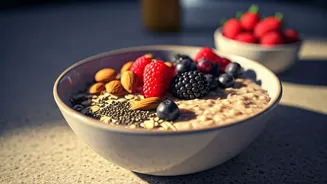
fibre dissolves in water to form a gel-like substance. Think of the consistency of oats or soaked chia seeds. This type helps slow down digestion, which is great for controlling blood sugar and lowering cholesterol. Insoluble fibre, on the other hand, doesn't dissolve. It acts like a scrub brush, adding bulk to stool and helping everything move smoothly through your system, which promotes regularity and prevents constipation. Most plant-based foods contain a mix of both.
More Than Just Digestive Health
While fibre is famous for keeping us regular, its benefits go much further. A high-fibre diet is a powerful tool for managing weight because fibre-rich foods help you feel fuller for longer, reducing the tendency to overeat. This feeling of satiety is a game-changer. Furthermore, soluble fibre plays a critical role in managing blood sugar levels by slowing the absorption of sugar, which prevents sharp spikes after meals. This makes it particularly beneficial for individuals managing diabetes or prediabetes. It also helps lower 'bad' LDL cholesterol by binding with cholesterol particles and removing them from the body, supporting overall heart health.
Building Your Indian Fibre-Forward Plate
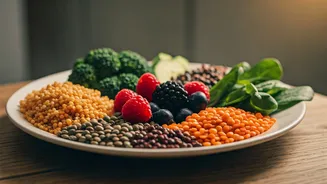
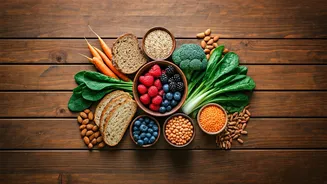
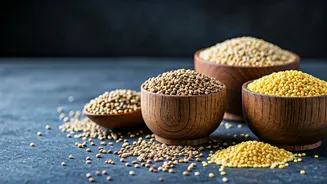
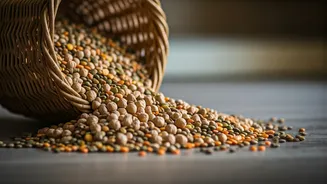
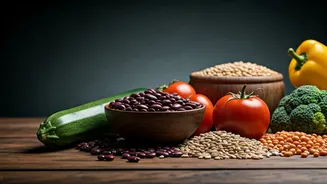
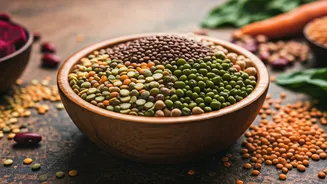
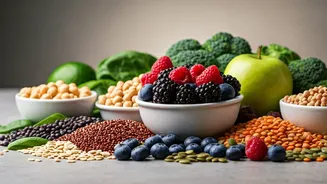
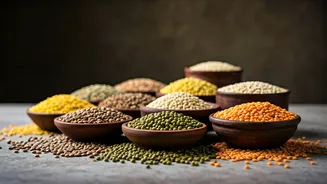
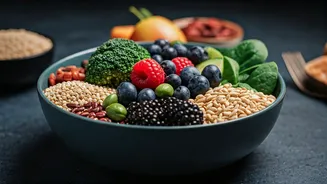
The great news is that traditional Indian cuisine is naturally rich in fibre. You don't need to look for exotic ingredients; many staples in your kitchen are fibre powerhouses. Focus on including a variety of whole grains like jowar (sorghum), bajra (pearl millet), ragi (finger millet), and brown rice instead of their refined counterparts. Dals and legumes are another cornerstone; masoor, chana (chickpeas), and rajma (kidney beans) are packed with both fibre and protein. For vegetables, don't shy away from bhindi (okra), spinach, lauki (bottle gourd), and carrots. And when it comes to fruit, favourites like guava, apples (with the skin), papaya, and bananas are excellent sources.
Simple Swaps for a High-Fibre Day
Increasing your fibre intake doesn't require a complete diet overhaul. Start with small, sustainable changes. Swap your regular white rice with brown rice or a millet-based alternative for one meal. Instead of refined flour rotis, try making them with whole wheat (atta), jowar, or bajra flour. Include a bowl of dal, chana, or a sprout salad with your lunch or dinner. For snacks, reach for a handful of roasted chana, nuts, or a whole fruit instead of packaged snacks. Remember, the recommended daily intake for Indian adults is around 25-40 grams, but most people consume much less. So, a gradual increase is key to let your digestive system adapt.