



Bottle Gourd (Lauki): The Hydrating Hero
Lauki, or bottle gourd, is a quintessential monsoon vegetable and a star ingredient during Shravan. Its high water content makes it incredibly hydrating and cooling, which is beneficial during the humid rainy season. According to Ayurveda, it is light
on the stomach and easy to digest, making it an ideal choice for fasting meals. Many Shravan diets avoid onion and garlic, and lauki adapts beautifully to this style of cooking. A simple and popular preparation is Lauki ki Sabzi. Just pressure cook cubed lauki with cumin seeds, green chillies, tomatoes, and rock salt (sendha namak). This creates a comforting, soupy curry that pairs perfectly with vrat-friendly flatbreads like kuttu ki puri.
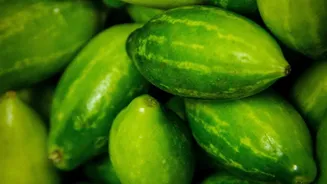
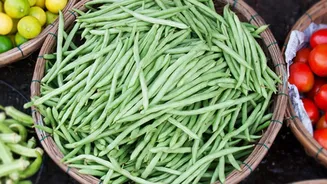
Pointed Gourd (Parwal): The Digestive Aid
Parwal, also known as pointed gourd, is another vegetable that peaks during the monsoon. It's valued for being rich in vitamins and fiber, which helps in maintaining good digestive health. Its texture holds up well in cooking, making it versatile for various dishes. For a simple, everyday recipe that can be adapted for fasting, try a simple Parwal Fry. After scraping the skin, slice the parwal and sauté it in ghee or oil with cumin seeds and green chillies. Season with turmeric, coriander powder, and rock salt. You can also add cubed potatoes to make a more substantial Aloo Parwal Sabzi, a dry preparation that serves as an excellent side dish.
Colocasia Root (Arbi): The Energy Booster
Arbi, or colocasia root, is a dense, starchy vegetable that provides sustained energy, making it a staple during fasting periods. It has a unique, slightly nutty flavour once cooked. However, it needs to be cooked properly to avoid an itchy sensation in the throat. The best method is to boil or pressure cook the arbi first, then peel and slice it. A classic vrat recipe is Sukhi Arbi. Heat some ghee, add ajwain (carom seeds), and then toss in the boiled and sliced arbi. Fry until the slices turn golden and slightly crisp. Finish with rock salt, black pepper, and a squeeze of lemon juice for a tangy and satisfying dish.
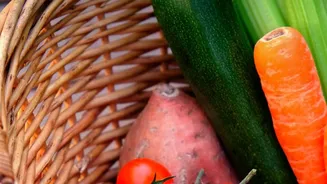
Sweet Potato (Ratali): The Wholesome Staple
Sweet potato, or ratali, is another fasting favourite that offers both nutrition and a natural, subtle sweetness. It’s a great source of complex carbohydrates, fibre, and vitamins. While often used in sweet dishes, it’s incredibly versatile in savoury preparations as well. A simple Maharashtrian recipe is 'Ratalyache Kaap', where thin slices of sweet potato are pan-fried in ghee until crisp and golden. They are simply seasoned with cumin and rock salt. You can also make a Sweet Potato Tikki by mashing boiled sweet potatoes with vrat-friendly flour like arrowroot, chopped coriander, and green chillies, then shallow-frying the patties.
Pumpkin (Kaddu): The Sweet & Savoury Classic
Pumpkin, available in abundance during the monsoon, is celebrated for its versatility and is a welcome addition to Shravan meals. It can be prepared in both sweet and savoury styles. A popular fasting dish is Khatta Meetha Kaddu, where cubed pumpkin is cooked with a balance of sweet and sour flavours, often using tamarind or dry mango powder (amchur) and a touch of sugar or jaggery. For a simple sabzi, cook pumpkin in a light gravy with cumin seeds, ginger, and green chillies. Its natural sweetness and soft texture make it a comforting and filling meal.