




Why Your Brain Loves a Safety Net
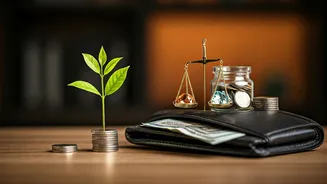
Financial confidence isn't about having crores in the bank; it's the quiet assurance that you can handle an unexpected setback without your world falling apart. An emergency fund is a financial safety net, a cash reserve set aside for one reason only:
to cover large, unforeseen expenses. Think of it as a buffer between you and life's curveballs. When you know you have this cushion, your brain stops operating in a constant state of low-grade panic about what *could* go wrong. This frees up mental energy, reduces stress, and allows you to make clearer, more rational decisions about your career, your life, and your other financial goals.
The Foundation for All Other Goals
Without an emergency fund, any financial shock—a medical issue, urgent car repair, or sudden job loss—can force you into making poor decisions. You might have to sell long-term investments at a loss, take on high-interest debt from credit cards or personal loans, or borrow from family and friends. These actions can set you back years on your journey to building wealth. An emergency fund acts as a firewall, protecting your long-term goals like retirement savings, investments, and home ownership plans. It allows you to weather a storm without having to dismantle the financial house you've worked so hard to build. It’s the boring but essential foundation upon which all exciting financial growth is built.
How Much Do You Really Need?
The standard rule of thumb is to save three to six months' worth of essential living expenses. Essential expenses include your rent or EMI, utilities, groceries, transportation, and insurance premiums—basically, anything you absolutely must pay to live. If you're a freelancer or have an unstable income, aiming for six months (or even more) is wise. For someone in a stable, dual-income household, three months might be sufficient. To calculate your number, track your spending for a month to get a realistic picture of your non-negotiable costs. Don't be intimidated by the final figure; the goal is to have a target to work towards, not to save it all overnight.
Where to Park Your Emergency Cash
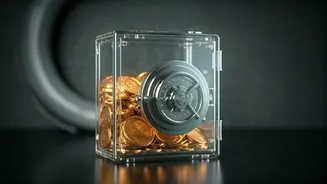
Your emergency fund must be two things: safe and liquid. This means you need to be able to access it quickly without losing any principal value. This is not money for investing in the stock market. The goal here isn't to earn high returns, but to preserve your capital for when you need it most. Good options in India include: - **A high-yield savings account:** Separate from your primary salary account to avoid accidental spending. - **Liquid mutual funds:** These funds invest in very short-term debt instruments and typically allow you to redeem your money within one business day. - **A Fixed Deposit (FD):** While slightly less liquid, you can opt for an FD with a sweep-in facility or one that can be broken prematurely with a small penalty.
How to Start Building Your Fund Today
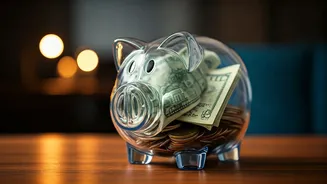
The key is to start small and be consistent. Don't wait until you think you can save a big chunk. Start now. 1. **Automate it:** Set up an automatic transfer or SIP from your salary account to your emergency savings account every month, even if it's just ₹1,000. Treat it like any other bill. 2. **Start small:** The first milestone is simply saving your first ₹25,000 or one month's rent. Celebrating small wins will keep you motivated. 3. **Use windfalls wisely:** Received a bonus, a tax refund, or a cash gift? Resist the urge to splurge and put at least half of it directly into your emergency fund. 4. **Trim the fat:** Look at your expenses and find one or two small things you can cut back on temporarily, redirecting that cash to your emergency savings.
What Counts as a Real Emergency?
Defining what constitutes an emergency is crucial to protect the fund from being used for impulse buys. This money is for true, unexpected crises. Legitimate uses include loss of your primary source of income, a major medical expense not covered by insurance, an urgent and necessary home repair (like a burst pipe), or an emergency trip for a family crisis. It is *not* for a down payment on a new phone, a planned vacation, a sale on your favourite brand, or a non-essential purchase. Being disciplined about what you use it for is just as important as building it in the first place.