






A Tale of Two Markets
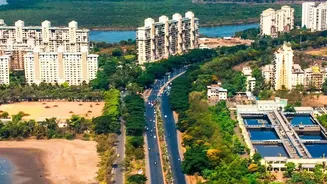
India's residential real estate sector is witnessing a stark polarisation. On one end, the luxury market is booming. Recent data shows a significant structural shift, with developers increasingly launching premium projects. In the first quarter of 2026,
homes priced above ₹1.5 crore accounted for a substantial portion of new launches, a dramatic increase from just a few years ago. For instance, the share of new homes priced below ₹1.5 crore fell to just 47% in Q1 2026, down from 85% in Q1 2022. This surge is fuelled by strong demand from high-net-worth individuals (HNIs), non-resident Indians (NRIs), and affluent buyers who are less affected by inflation and rising property prices. Their desire for larger homes, better amenities, and wellness-focused lifestyles has made the luxury segment a developer favourite.
Following the Money: The Economics of Development
The pivot to luxury isn't just about demand; it's a calculated business decision. The math is simple: profit margins on luxury projects are significantly higher. Developers face a barrage of rising costs, including steep increases in the price of land, steel, cement, and labour. Land prices in major cities have surged by 50-120% in the last five years alone. These escalating expenses squeeze the viability of affordable housing projects, where margins are already thin. It becomes more profitable to build and sell one high-end apartment than several budget flats. As a result, many developers are shifting their focus to the premium segment where they can more easily absorb costs and secure healthier returns, viewing it as a safer bet in a volatile market.
The Affordable Housing Squeeze
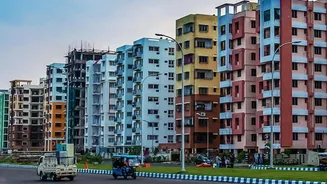
While developers chase higher profits, the affordable housing segment, despite having massive underlying demand, is facing immense pressure. The same factors that make luxury appealing—rising input costs and land prices—make budget homes a high-risk, low-reward venture for builders. A recent report highlighted that while residential property prices in top cities grew by 59% in five years, construction costs alone rose by 34%, with land costs adding even more pressure. This creates a widening affordability gap for the average homebuyer, who is also grappling with inflation and interest rate sensitivities. The result is a supply-side crunch where the number of new affordable units entering the market is declining, leaving a vast segment of the population with fewer options.
Can Government Schemes Bridge the Gap?
The government has not been a silent spectator. Flagship initiatives like the Pradhan Mantri Awas Yojana (PMAY) were launched to achieve 'Housing for All' and have sanctioned millions of homes. The scheme has had notable successes in expanding homeownership and promoting access to housing finance for economically weaker sections. However, implementation has been fraught with challenges. Hurdles include delays in construction, land acquisition bottlenecks, complex approval processes, and a reluctance from private developers to participate due to low profitability. While millions of houses have been sanctioned under PMAY-Urban, the completion rate lags significantly, highlighting a persistent gap between policy goals and on-ground reality.
The Social and Economic Fallout
This growing imbalance in the housing market carries significant consequences. As the supply of budget housing dwindles, it pushes homeownership further out of reach for a large part of the population, especially in major urban centres. This can lead to increased pressure on the rental market, overcrowding, and the expansion of informal settlements. The trend also risks making cities more exclusive and less accessible for the very people who form their economic backbone. Experts warn that this polarisation could worsen as India continues its rapid urbanisation, potentially hindering inclusive growth. The dream of 'roti, kapda, aur makaan' remains just that—a dream—for many, as the 'makaan' becomes an asset class for the wealthy rather than a basic need for all.