








The Allure of the Perfect Shot
Once the domain of seasoned professionals with bulky equipment, wildlife photography has exploded into a mainstream passion. The proliferation of high-quality DSLR and mirrorless cameras, coupled with the aspirational pull of social media, has created
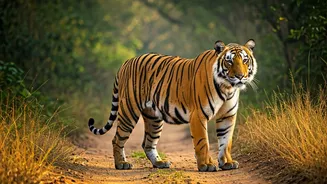
a new generation of shutterbugs. An incredible tiger photograph is no longer just a personal memory; it’s a status symbol, a viral post, a mark of adventure. This desire fuels a booming industry of guided photography expeditions, promising enthusiasts a front-row seat to nature’s greatest spectacles. Tour operators curate multi-day trips to hotspots like Bandhavgarh, Ranthambore, and Pench, handling all the logistics—from safari permits and accommodation to expert guides who know exactly where to find the action. For many, it’s an irresistible package: a thrilling holiday combined with the creative pursuit of capturing a truly wild moment.
A Post-Pandemic Tourism Surge
The trend isn't entirely new, but it has accelerated dramatically in recent years. Post-pandemic, with international travel initially restricted, many Indians turned inward, discovering the incredible biodiversity in their own backyard. This domestic tourism boom coincided with India's successful conservation efforts, which have led to a healthy and visible tiger population in key reserves. Central India, in particular, became the epicentre of this movement. Reserves like Tadoba-Andhari in Maharashtra gained a reputation for near-guaranteed sightings, causing a gold rush of sorts. Weekend warriors and serious hobbyists alike began booking trips months in advance, filling up safari jeeps and jungle lodges. Social media influencers showcasing their stunning tiger captures only fanned the flames, creating a powerful feedback loop of desire and demand.
The Conservation Dividend
On the surface, this influx of visitors is a massive win for conservation. Wildlife tourism is a cornerstone of the financial model for most national parks. The revenue generated from entry fees, safari permits, and accommodation directly funds the protection of these habitats. This money pays for everything from the salaries of forest guards and anti-poaching patrols to the maintenance of park infrastructure and habitat restoration projects. Furthermore, it creates a local economy deeply invested in the survival of the wildlife. When local communities benefit from tourism through jobs as guides, drivers, or hospitality staff, the tiger transforms from a potential threat into a valuable economic asset worth protecting. This symbiotic relationship is crucial for the long-term success of conservation in a country with immense population pressure.
The Pressure of Popularity
However, the sheer volume of visitors is creating a new set of challenges. The intense focus on tigers means that when a sighting occurs, it can trigger a chaotic scramble. Dozens of jeeps might converge on a single animal, engines revving and cameras clicking, creating a stressful environment for the wildlife. Reports from conservationists and seasoned naturalists highlight incidents of drivers going off-track, crowding animals, and pressuring them to move for a better photographic angle. This “tiger-centric” approach often means other elements of the rich forest ecosystem are ignored. The pressure on guides to deliver a tiger sighting at any cost can lead to unethical practices that prioritize the tourist’s satisfaction over the animal's well-being. This overcrowding not only diminishes the quality of the wilderness experience but also poses a tangible threat to the very creatures people have come to admire.
Finding an Ethical Frame
The solution isn’t to stop wildlife tourism, but to make it more responsible. A shift in mindset is needed, both from tourists and operators. An ethical photographer understands that the animal’s welfare always comes first. This means adhering strictly to park rules, maintaining a respectful distance, and having the patience to wait for a natural moment rather than forcing one. It also means appreciating the entire ecosystem—the birds, the deer, the flora—and not just chasing the big cat. Tourists can vote with their wallets by choosing tour operators and lodges that have a proven commitment to sustainable practices and community development. Many parks are also experimenting with better regulation, such as staggering safari timings or capping the number of vehicles allowed in certain zones, to mitigate the impact of overcrowding.