





The Appeal: Reconnecting with the Earth
The core philosophy behind barefoot hiking is a desire to feel more connected to the natural world. Advocates often talk about 'grounding' or 'earthing', suggesting that direct skin contact with the ground has a calming effect and enhances emotional well-being.
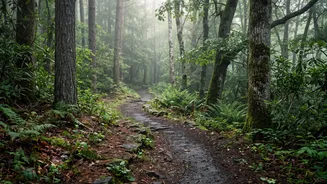
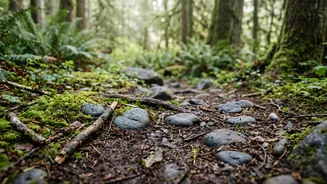
Proponents claim it fosters mindfulness, as you become acutely aware of every step and the texture of the trail beneath you. This sensory experience—the cool moss, the rough bark, the soft dirt—is something that thick-soled hiking boots completely block out, turning a simple walk into a more immersive activity.
Benefit: Stronger Feet and Better Balance
One of the most cited benefits of going shoeless is the potential to strengthen the intricate network of muscles, tendons, and ligaments in your feet. Traditional shoes, especially those with rigid support, can act like a cast, preventing these muscles from engaging fully. Walking barefoot forces them to work harder, which can improve overall foot strength and stability over time. This increased engagement also enhances proprioception—your body's ability to sense its position in space. With over 200,000 nerve endings, your soles provide a constant stream of information to your brain about the terrain, allowing for quicker, more natural adjustments and potentially improving your balance.
Benefit: A More Natural Stride
Heavy, cushioned hiking boots can encourage a forceful 'heel-strike' gait. In contrast, walking barefoot often promotes a shift to a forefoot or midfoot landing. This change in biomechanics can act as a natural shock absorber, potentially reducing the impact that travels up through your knees, hips, and lower back. Over time, this can lead to better posture and alignment, correcting some of the imbalances that might be caused or worsened by restrictive footwear. The goal is to move more like our ancestors, whose feet were naturally adapted to traverse varied terrains without modern orthotics.
Risk: The Obvious Dangers Underfoot
The most immediate and obvious risk of barefoot hiking is injury from the trail itself. Sharp rocks, broken glass, thorns, and jagged roots pose a significant threat of cuts, punctures, and bruises. Surfaces can also present temperature dangers, from sun-baked rocks that can cause burns to frigid streams that can lead to numbness and loss of sensation. While calluses will build up over time, offering some protection, they are no match for a sharp piece of metal or a particularly nasty thorn. This is why path selection is critical for any aspiring barefoot hiker.
Risk: Infections and Overuse Injuries
Beyond visible hazards, going barefoot exposes your skin to bacteria and fungi lurking in soil and water, which can lead to infections like athlete's foot or warts, especially if you have a small cut. Another significant risk is doing too much, too soon. The muscles and bones in your feet need time to adapt to the new stresses. Jumping into a long, difficult hike without a gradual transition can lead to painful conditions like plantar fasciitis or even stress fractures. Podiatrists often caution that while there are benefits, the transition must be slow and deliberate.
Getting Started: A Cautious Approach
If you're curious to try it, the key is to start slowly. Begin by walking barefoot on soft, safe surfaces like a grassy park or a sandy beach before moving to well-maintained, clear dirt trails. Keep your initial hikes short, perhaps just 15-20 minutes, and gradually increase the duration and difficulty as your feet adapt. Always carry a first-aid kit with essentials like tweezers and antiseptic wipes, and bring a pair of lightweight minimalist shoes as a backup in case you encounter unexpectedly rough terrain or get an injury. Pay close attention to where you step and listen to your body; if something hurts, stop.