

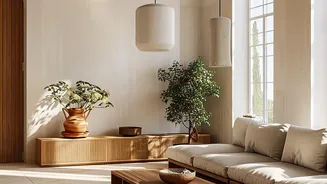
From Visual Shine to Sensory Soul
The focus in Indian interior design is moving beyond just what the eye can see. After a period dominated by high-gloss finishes and perfectly matching furniture sets, homeowners are now seeking a deeper, more emotional connection with their living spaces.
This has given rise to 'tactile living'—a design philosophy centered on creating environments that engage the sense of touch. The trend prioritises warmth, comfort, and personality over a sterile, showroom-like perfection. It’s a response to visual overload in a digital world, where the home is increasingly seen as a sanctuary for genuine connection and well-being. Global movements like the Scandinavian concept of 'hygge' (cosiness) and the Japanese principle of 'wabi-sabi' (finding beauty in imperfection) are also influencing this shift, encouraging a more mindful and personal approach to decorating.
A Symphony of Layered Materials
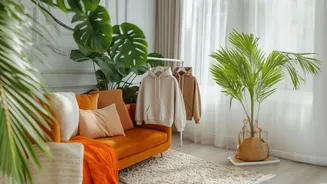
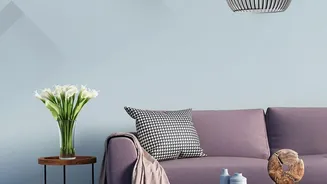
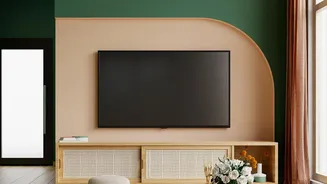
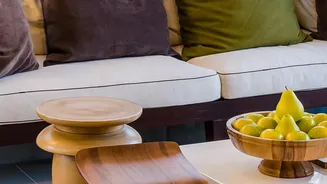
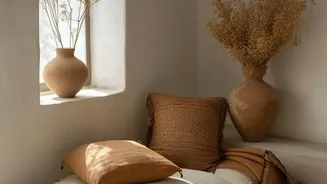
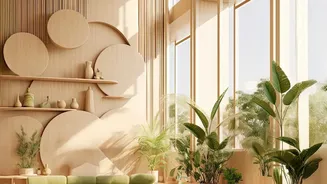
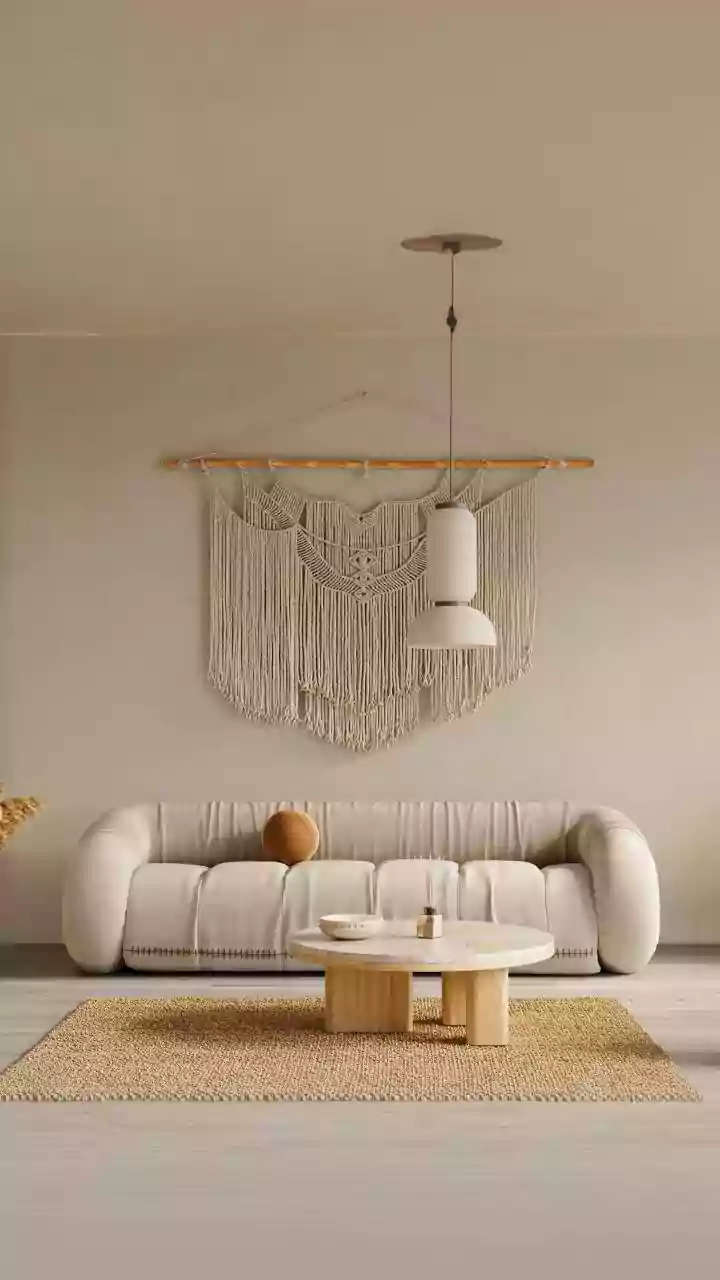
The simplest way to make a room more tactile is through materials. Flat, uniform surfaces are being replaced by a rich tapestry of textures that invite you to touch and feel. On sofas and chairs, soft, nubby fabrics like bouclé, plush velvets, and breathable linens are gaining immense popularity. These are often set against a backdrop of natural materials that bring the outdoors in. Handcrafted wooden furniture, particularly in warm tones like teak and sheesham, is making a major comeback. These are complemented by accents of cane, rattan, and jute, which add an earthy, artisanal feel to everything from chairs to storage baskets. Even walls and floors are getting the textural treatment. Handmade rugs in wool or jute anchor the room, providing softness underfoot and absorbing sound in homes with tile or stone floors. Textured wall art, handmade ceramics, and accessories made of raw stone or marble add layers of curated, handcrafted luxury.
The Art of Layered Lighting
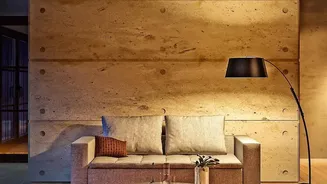
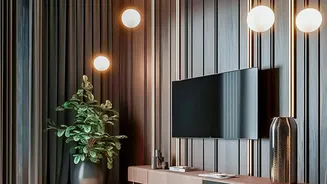
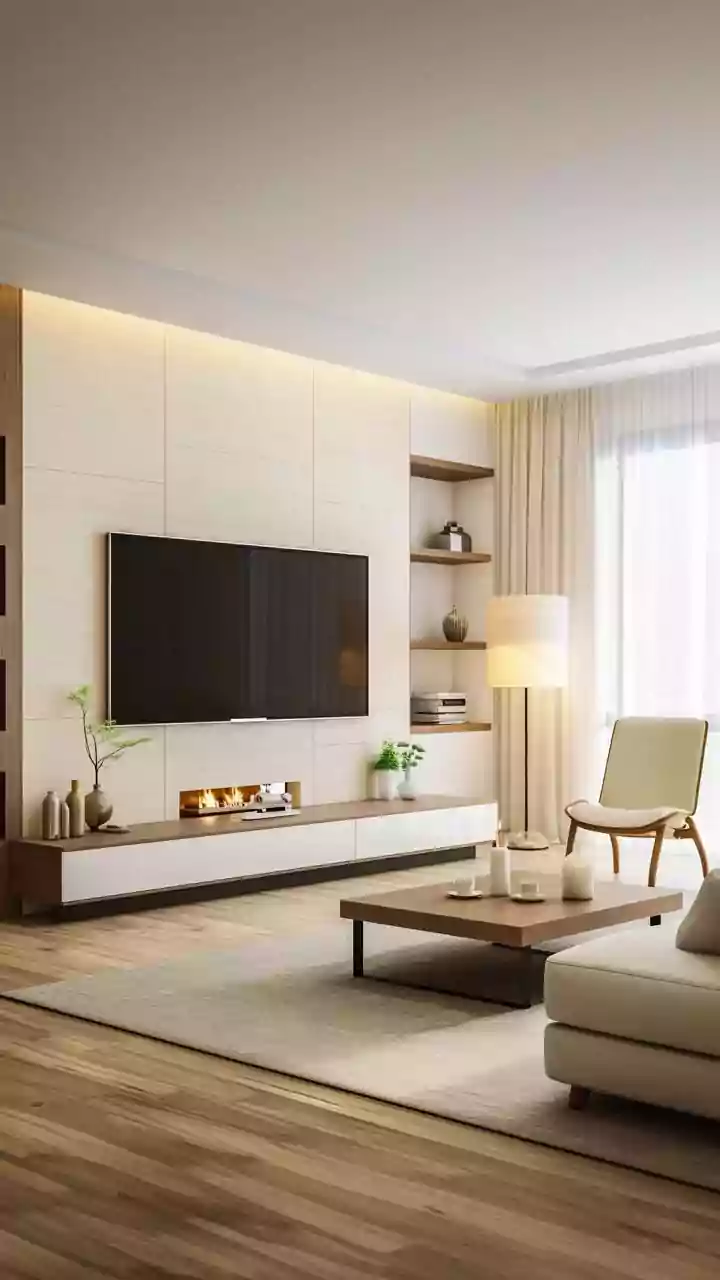
Lighting is the other critical component in creating a tactile and moody living space. The old approach of using a single, harsh ceiling light is fading fast. Instead, designers are embracing a layered lighting scheme, which combines three distinct types of light to build atmosphere and functionality. The first layer is 'ambient' light, which provides general illumination through sources like recessed ceiling lights or pendants. The second is 'task' lighting, which is focused on specific activities, such as a floor lamp by a reading chair or a table lamp on a console. The final and most important layer for mood is 'accent' lighting—think spotlights highlighting a piece of art or warm-toned lamps that create cosy corners. The key is to use multiple, lower-intensity light sources at different heights, preferably with dimmers to adjust the mood from bright and energetic to soft and intimate. Warm-toned bulbs (around 2700-3000K) are preferred, as they enhance the richness of wooden furniture and textiles, creating a welcoming glow.
Bringing the Tactile Trend Home
Adopting this trend doesn’t require a complete overhaul. The beauty of tactile design lies in its personal and evolutionary nature. You can start small. Introduce a few linen or bouclé cushions on your sofa, or add a soft, handwoven throw over an armchair. A single new light source, like a sculptural floor lamp with a warm bulb, can instantly change the feel of a corner. Consider adding a jute rug to ground your seating area or placing a collection of handmade ceramic vases on a shelf. The goal is to mix and match textures—pairing smooth with rough, soft with hard—to create a dynamic and interesting space. Move away from matching sets and instead curate pieces that tell a story about who you are. This approach celebrates authenticity, where the grain of wood, the weave of a fabric, and the gentle glow of a lamp come together to create a home that feels as good as it looks.