
For busy working couples, the dream of a home-cooked meal can feel out of reach on a hectic weeknight. This guide offers a manageable solution: a two-day meal prep strategy that saves time, reduces stress, and can even be a fun couple's activity.
Why Two-Day Prep Is a Game-Changer
The idea
of prepping a full seven days of meals can be daunting. A two-day approach is less overwhelming and ensures your food is fresher. By dedicating a couple of hours on a Sunday and perhaps 45 minutes on a Wednesday, you get the benefits of batch cooking without the marathon kitchen session. This system prevents 'palate fatigue'—the boredom that comes from eating the same meal for five days straight. You can cook two or three main dishes on the weekend to cover the first half of the week, then do a quick prep mid-week for Thursday and Friday, ensuring variety and better food quality. This approach is a sustainable way to build a healthy eating habit.
The Master Plan: Communication is Key
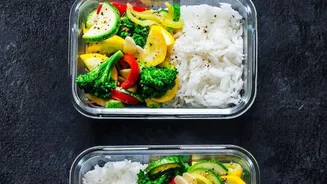
Successful meal prep for two starts with a conversation, not a cooking pot. Sit down together and decide on the menu for the upcoming days. This is the time to discuss preferences, dietary needs, and portion sizes. A great strategy is to create a shared 'database' of 10-15 favourite recipes that you both enjoy. This makes weekly planning much faster. Focus on meals with shared base ingredients you both like. For instance, if you both enjoy potatoes, you can build several meals around them. It's also wise to prep components rather than fully assembled meals. This 'buffet-style' prep, with batches of roasted vegetables, a grain like quinoa, and a protein, allows each person to build their own bowl, catering to different tastes and appetites.
The Smart Shopping & Prepping Workflow
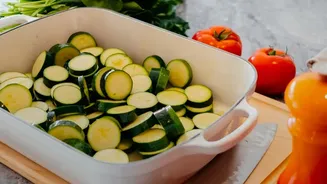
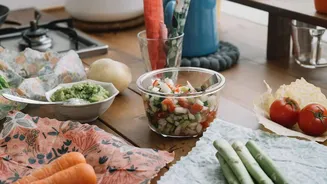
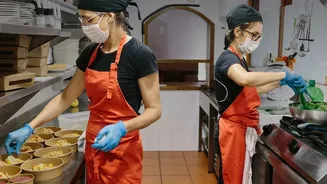
Once you have your plan, create a detailed shopping list. This simple step prevents impulse buys and ensures you don’t forget a key ingredient. When it’s time to cook, make it a team effort to save time and make it more enjoyable. Divide and conquer: one person can be in charge of chopping vegetables while the other manages the cooking on the stove. A clean, organised kitchen is your best friend during a batch cook session. Wash and chop all your vegetables first. Cook grains like rice or millets. Prepare a large batch of a base like an onion-tomato masala that can be used for multiple curries. Cook your proteins, like a dal or a chicken dish, simultaneously. This assemblyline approach is far more efficient than cooking one dish from start to finish.
Menu Ideas That Work
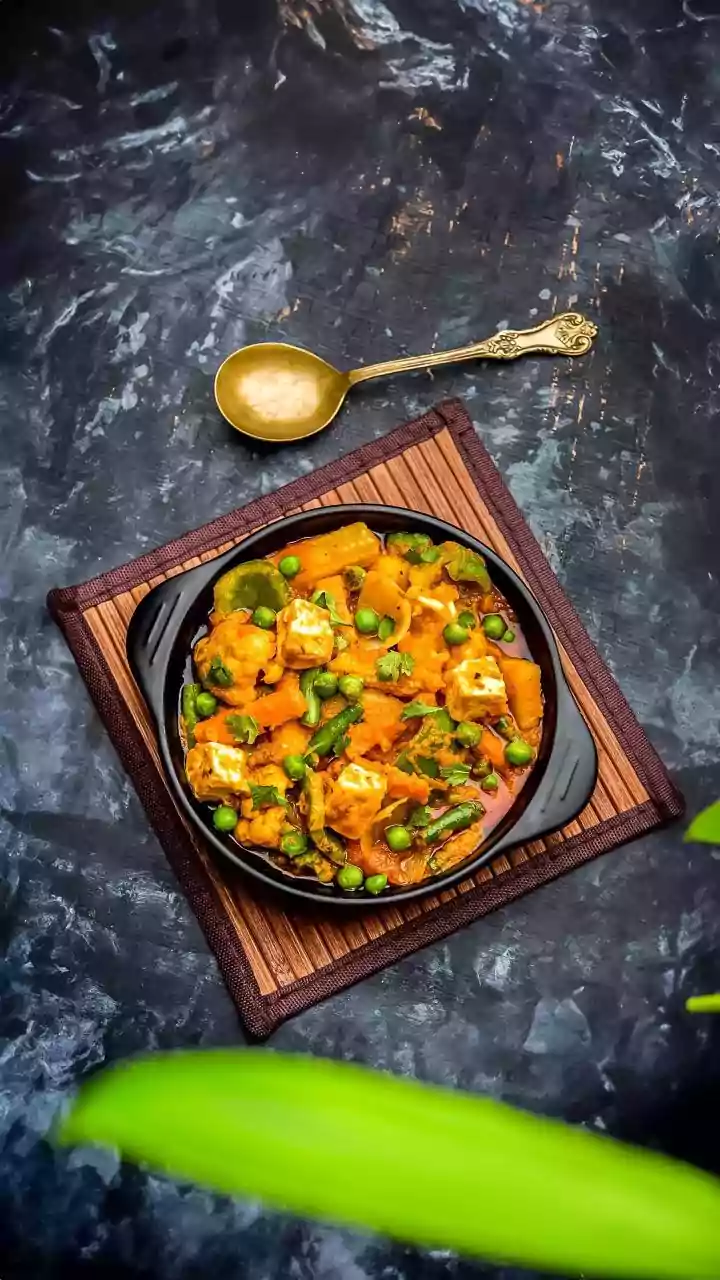
The best foods for batch cooking are those that hold up well and even taste better the next day. Think soups, stews, curries, and braised meats. For an Indian kitchen, dishes like rajma, chana masala, and most dals are perfect candidates as their flavours deepen over time. You can also prepare components for quicker assembly later. Marinate chicken on Sunday for a quick stirfry on Monday night. Prepare a large batch of roasted root vegetables and a pot of quinoa. These can be mixed and matched with different proteins and sauces throughout the week. For example, the same roasted chicken can be used in a salad one day and in a wrap the next. Avoid prepping delicate greens or fully cooked pasta, which can get soggy.
Storing for Freshness and Safety
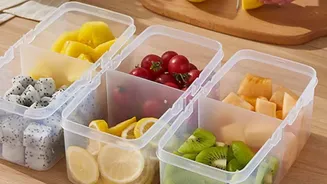
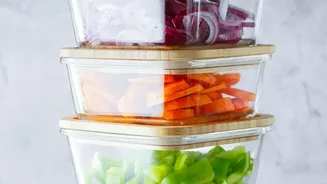
Proper storage is crucial for keeping your prepped meals safe and tasty. Invest in a good set of airtight containers, preferably glass, which can go from the fridge to the microwave. Always allow food to cool down before refrigerating, but don't leave it at room temperature for more than two hours. Label every container with the contents and the date it was made. This eliminates guesswork later in the week. Generally, cooked meals will last for 3–4 days in the refrigerator. For anything you plan to eat beyond that, the freezer is your best option. Soups, stews, and curries freeze beautifully. It’s a great idea to freeze meals in individual or double portions for easy thawing.