





The Myth of 'Clean' Rainy Air
Many of us believe that rain washes the air clean, scrubbing it of pollutants. While a steady, prolonged downpour does eventually wash away particles like dust and pollen, the initial phase of rain can have the opposite effect. As the first drops hit
the dry ground, they kick up dust, pollen, and other fine particles that were settled on surfaces. This process, combined with the release of a compound called geosmin from soil bacteria, creates the classic 'petrichor' or earthy rain smell. While geosmin itself isn't harmful, it signals that ground-level particles are being aerosolized and sent into the air right when you might be tempted to open your windows.
Before the Rain: The Pre-Cooling Window
The best time to ventilate your home is actually before the rain begins. When you see dark clouds gathering and feel the temperature begin to drop, that’s your cue. This pre-rain period often brings a breeze that can effectively flush out the stale, polluted air that has accumulated inside your home from cooking, cleaning products, and just breathing. By airing out your home for 15-20 minutes before the downpour, you replace this indoor air with the relatively cleaner, cooler air from outside. This proactive step ensures you start the rainy period with a fresher indoor environment, reducing the need to ventilate when conditions are less than ideal.
During the Downpour: Keep It Sealed
Once the rain starts falling, especially during the first 30-60 minutes, it's generally best to keep windows and doors closed. This is when the humidity outside skyrockets, and bringing that moisture inside is a recipe for trouble. High indoor humidity, especially common during the Indian monsoon, creates the perfect breeding ground for mould, mildew, and dust mites. These allergens can trigger respiratory issues, worsen asthma, and cause a persistent musty odour in your home. Furthermore, keeping windows shut prevents the initial burst of ground-level pollutants and allergens stirred up by the rain from entering your living space.
After the Rain: The Golden Hour for Fresh Air
The period just after a good, cleansing rain shower is the 'golden hour' for ventilation. By this point, the rain has effectively washed a significant amount of particulate matter from the atmosphere, making the outside air genuinely cleaner and fresher. Opening your windows now allows this clean air to circulate through your home, flushing out any remaining indoor pollutants and moisture that may have built up. A cross-breeze, created by opening windows on opposite sides of the home for even 10-15 minutes, can dramatically improve your indoor air quality, leaving your home feeling fresh without the added humidity of an active downpour.
Managing Monsoon Humidity Indoors
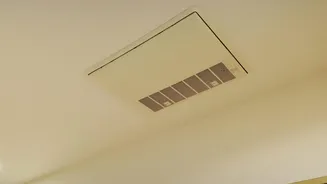
Ventilation timing is key, but managing indoor humidity during the monsoon requires a multi-pronged approach. Since rainy weather often means keeping windows closed for extended periods, indoor moisture from showering, cooking, and even drying clothes can get trapped. Use exhaust fans in kitchens and bathrooms to expel moisture directly outside. Consider investing in a dehumidifier for particularly damp rooms or for those with respiratory conditions, aiming to keep indoor humidity between 30-50%. Regularly check for and clean any signs of mould on walls, window frames, and in cupboards. These measures, combined with smart ventilation, will protect both your health and your home through the wet season.