

The Unfair Trade-Off of Size
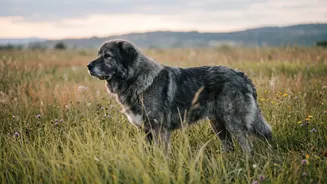
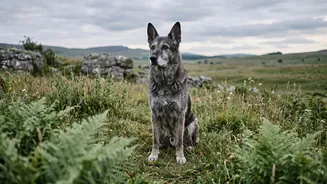
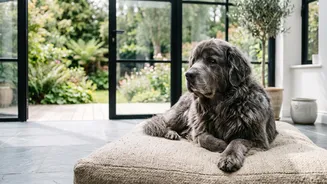
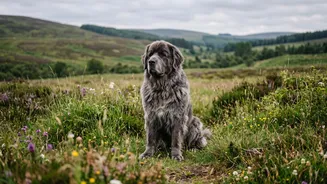
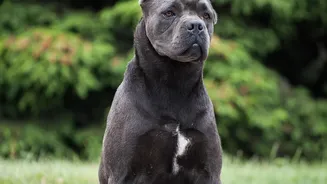
It’s a pattern veterinarians and dog owners know all too well. A tiny Chihuahua can live for 15 to 20 years, while a majestic Great Dane or Mastiff is considered elderly by age six and rarely lives past ten. This contradicts a general rule in the animal
kingdom, where larger species, like whales, typically outlive smaller ones, like mice. For decades, the reason for this exception in dogs was a mystery. But recent studies are finally providing a compelling molecular explanation for this 'live fast, die young' reality in our biggest canine companions. The answer, it seems, is a trade-off: the very traits we have selected for—impressive size achieved through rapid growth—come at a steep biological cost.
Biological Age vs. Calendar Years
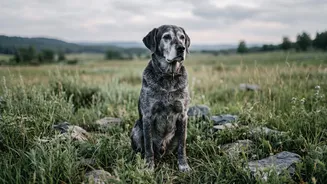
To understand this phenomenon, we must first separate two key concepts: calendar age and biological age. Calendar age is simple—it’s the number of years since birth. Biological age, however, is a measure of the body's functional and cellular health relative to its chronological age. Think of it as the 'wear and tear' on a body’s systems. A recent study from the Dog Aging Project found that a dog's biological age can be tracked using an 'epigenetic clock,' which measures chemical changes on DNA. Using this clock, researchers confirmed that large dogs age faster at a molecular level. This means a five-year-old Great Dane is biologically much older than a five-year-old Pug, even though their calendar ages are identical. A higher biological age is directly linked to a higher risk of death and disease.
The Role of 'Jumping Genes'
So what is driving this accelerated aging? A groundbreaking study published in the journal 'Science' points to something called transposable elements, or 'jumping genes'. These are ancient stretches of DNA that can copy themselves and move to other parts of the genome. This movement can cause damage and instability. Normally, our cells keep these jumping genes locked down using chemical tags called DNA methylation. The research found that as dogs get older, this methylation control weakens, and the jumping genes become more active. Critically, this process happens much faster in large dogs. Giant breeds lose the chemical locks on these genes about 35% faster per year than small breeds. This loss of control is thought to contribute to faster aging and a higher risk of diseases like cancer.
The Price of Growing Up Fast
The accelerated aging seems to be a direct consequence of the rapid growth required to achieve a large size. To go from a small puppy to a giant adult in just over a year, a large dog’s cells must divide at a furious pace. This process is driven by growth hormones like insulin-like growth factor 1 (IGF-1), which are found at higher levels in large breeds. While essential for growth, high levels of IGF-1 are also linked to faster aging and an increased risk of cancer in many species. This rapid cell turnover can lead to more errors in DNA and increased oxidative stress, which is damage to cells from metabolic byproducts. Essentially, the selective breeding for size has put large dogs on a developmental fast-track that their bodies struggle to maintain, forcing a trade-off between growth and long-term cellular health.
What This Means for Big Dog Owners
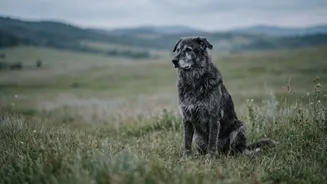
While this research doesn't offer a way to reverse the aging process, it provides a powerful new understanding of our pets' health. Knowing that large dogs are biologically 'senior' as early as five or six years old underscores the importance of proactive veterinary care. Regular check-ups, careful weight management to avoid extra strain on joints and organs, and early screening for age-related conditions like cancer and heart issues are crucial. These scientific insights don't change the love we have for our gentle giants, but they do empower owners to provide the best possible care throughout their regrettably shorter lives. This knowledge helps us appreciate that their accelerated journey through life requires our vigilant support from a much earlier age than we might expect.