








The Limits of Personal Responsibility
Making healthy choices is difficult when your environment works against you. The daily reality for millions of urban Indians involves long, stressful commutes, high-pressure work environments, and limited access to safe, clean public spaces. Poor air
quality, noise pollution, and streets designed for cars instead of people create chronic stress on our physical and mental health. These systemic issues mean that individual willpower alone is often not enough. Acknowledging this reality is the first step towards a more effective approach to wellness—one that looks beyond our personal habits to the structures that shape our daily lives.
The New Frontier: Wellness at Work
Indian companies are slowly realising that employee well-being is a strategic priority, not just a perk. With India reporting some of the highest rates of workplace burnout globally, organizations are moving beyond basic health insurance. The new focus is on holistic wellness that includes robust mental health support, a key concern given the high levels of stress and anxiety among corporate employees. Forward-thinking companies are now offering Employee Assistance Programs (EAPs) for confidential counselling, training managers to spot signs of distress, and promoting a culture where it's safe to discuss mental health. This shift acknowledges that a healthy workforce is more productive, engaged, and less likely to leave.
Beyond Counselling: Redefining the Healthy Office
Comprehensive workplace wellness in 2026 goes even further, embedding health into the very design of work. This includes creating ergonomic workspaces, offering flexible or hybrid work models to reduce commute stress, and providing financial literacy workshops to address another major source of anxiety. Some companies are redesigning offices to include meditation rooms and 'walking meeting' tracks to encourage movement. The goal is to create an environment that supports well-being by default, rather than placing the entire burden on the employee to cope with a stressful system. This integrated approach has a clear return on investment, with studies showing benefits like reduced absenteeism and higher retention.
Building Cities That Heal, Not Harm
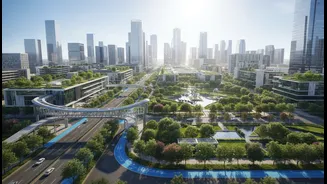
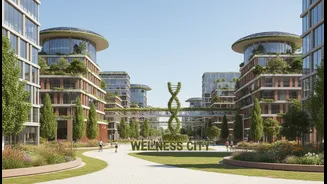
Just as our workplaces are being reimagined, so too are our cities. Urban planning is increasingly recognised as a critical component of public health. Many Indian cities present daily barriers to well-being, from unsafe pedestrian infrastructure to a severe lack of accessible green spaces. This has a direct impact on both physical and mental health, contributing to everything from respiratory issues to anxiety. The 'Healthy Cities' approach advocates for putting human health at the centre of urban design, ensuring that development is about more than just buildings and roads. It involves a multisectoral approach, bringing together transport, environment, and health departments to create a healthier urban fabric.
The Promise of People-First Urban Design
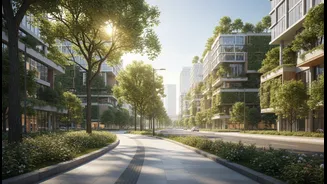
The good news is that change is already underway. Cities like Pune, Bengaluru, and Chennai are pioneering 'Healthy Streets' initiatives, which prioritise pedestrians and cyclists by creating dedicated lanes, wider footpaths, and safer crossings. These projects not only improve safety and encourage physical activity but also help reduce air pollution from vehicle emissions. Similarly, initiatives to increase green cover and create well-lit, inclusive public squares foster community connection and provide spaces for relaxation. Projects in cities like Indore have demonstrated that data-driven urban planning with community participation can successfully address the social and environmental factors that determine our health.