



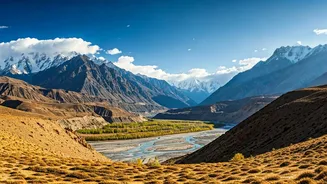


Understanding July's Mountain Weather
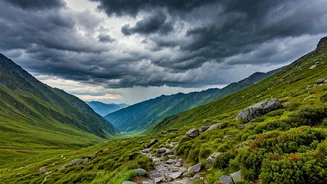
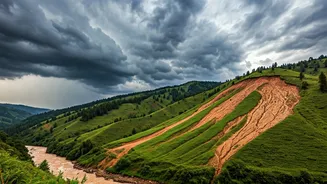
July is peak monsoon season in most of the Indian Himalayas, especially in popular states like Himachal Pradesh and Uttarakhand. While the rain transforms the landscape into a vibrant green paradise, it also brings significant risks. Heavy downpours can trigger
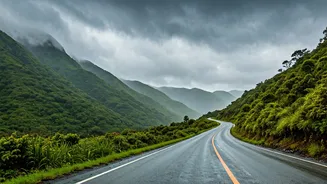
flash floods and landslides, often with little warning. Roads can be blocked for hours or even days, severing connectivity to towns like Manali, Shimla, and Rishikesh. The India Meteorological Department (IMD) frequently issues alerts for these regions, warning of heavy to very heavy rainfall. These aren't just suggestions; they are serious indicators of potential danger, including swollen rivers and slippery, treacherous roads. Understanding that the romantic image of rain in the hills is paired with real-world hazards is the first step to a safe trip.
Choose Your Destination Wisely
Not all mountain destinations are created equal during the monsoon. Some areas are best avoided. Regions highly susceptible to landslides and flash floods, such as parts of Uttarakhand and Himachal, require extreme caution. However, some places thrive in the rain. The Western Ghats, including destinations like Coorg and Munnar, are accustomed to heavy rain and offer breathtaking views of waterfalls and tea plantations. Alternatively, consider 'rain-shadow' regions like Spiti Valley in Himachal Pradesh or Ladakh. These high-altitude deserts receive very little rainfall, offering a safer, albeit different, mountain experience in July. If your heart is set on traditional hill stations, opt for larger towns with better infrastructure and have a flexible itinerary.
Your Monsoon Packing Checklist
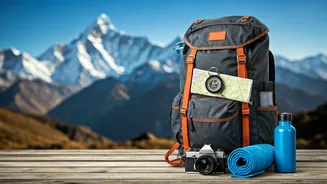
Packing smart is non-negotiable. Your mantra should be 'waterproof everything.' Start with a high-quality poncho or a full rain suit (jacket and pants); an umbrella is often useless against mountain winds. Use a waterproof cover for your backpack and pack clothes and electronics in dry bags or sealed plastic bags for an extra layer of protection. Opt for quick-drying synthetic clothes and avoid cotton, which stays wet and cold. Sturdy, waterproof trekking shoes with good grip are essential to navigate slippery paths. Also pack leech socks if you are trekking in dense, wet forests. A powerful headlamp or torch, a high-capacity power bank, a first-aid kit with basic medicines for flu and stomach bugs, and insect repellent are other must-haves.
Pre-Trip and On-the-Road Safety
Before you even leave home, your safety preparations should begin. Monitor the IMD weather forecasts for your destination a week in advance. Avoid travelling when an orange or red alert has been issued. Book flexible travel tickets and accommodations that allow for last-minute changes. Always add a couple of buffer days to your itinerary; this accounts for potential road blockages without forcing you to take risks to meet a tight schedule. When on the road, avoid driving at night during heavy rain. Never attempt to cross a road covered in fast-flowing water. Heed the advice of locals; if they warn you that a road ahead is unsafe, listen to them. Have emergency contacts and offline maps saved on your phone, as network connectivity can be unreliable.