

Tesla's Gigafactory in Texas has been a symbol of its manufacturing prowess. Now, a major strategic shift is underway, tying the factory's future not to its iconic Cybertruck, but to the ambitious and futuristic Cybercab robotaxi service.
A Major Shift in Strategy
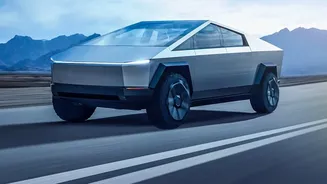
In a significant
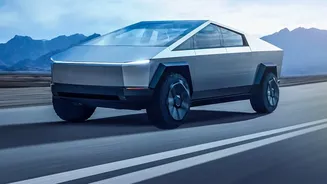
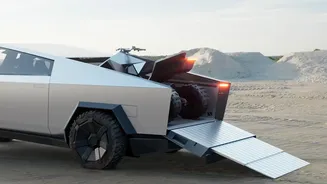
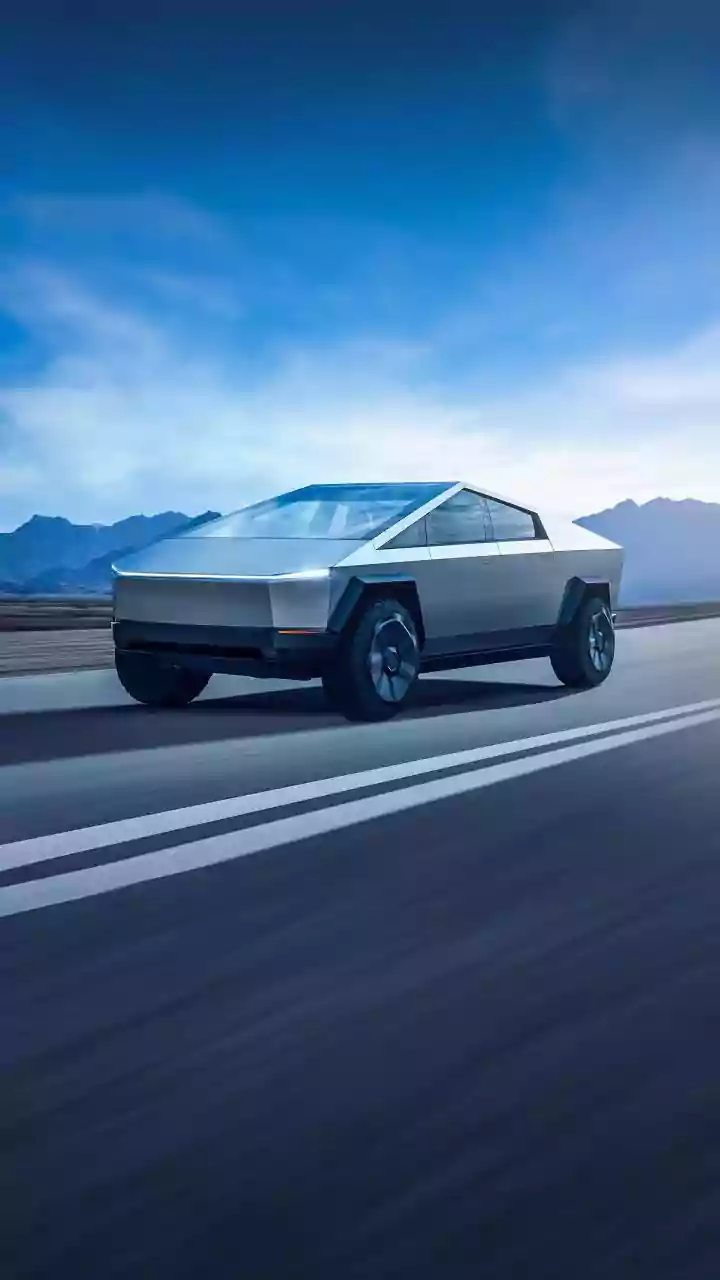
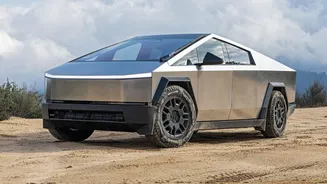
announcement, CEO Elon Musk revealed that Tesla will begin winding down production of its angular Cybertruck at Gigafactory Texas around mid-2027. The reason for this change is to reallocate factory floor space and resources to dramatically increase the production of the Cybercab, Tesla's purpose-built autonomous vehicle. This move signals a clear prioritization of the company's robotaxi ambitions over its consumer electric pickup. While the company has confirmed it will continue to provide parts and service for existing Cybertrucks, it has not yet clarified whether production of the polarizing vehicle will move to another facility or cease entirely. The decision follows a period where Cybertruck sales have reportedly fallen short of the company's initial, lofty projections.
What Exactly Is a Cybercab?
The Cybercab is not just another electric car; it's the physical manifestation of Tesla's long-held autonomous dream. It is a compact, two-seat vehicle designed from the ground up for one purpose: to operate on Tesla's driverless ride-hailing network. Unveiled in 2024, the vehicle conspicuously lacks a steering wheel or pedals, relying entirely on the company's Full Self-Driving (FSD) software and a suite of cameras to navigate city streets. The first production unit rolled off the Giga Texas line in February 2026, marking a critical milestone. The goal is to produce these vehicles at a low cost, enabling a profitable robotaxi service that could one day generate recurring revenue for the company, a model far different from traditional car sales.
Giga Texas: The Heart of the Robotaxi Fleet
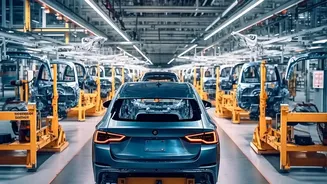
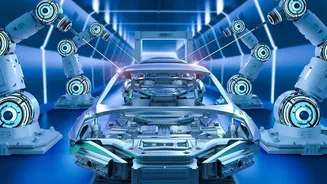
Gigafactory Texas is central to this entire vision. The facility already has an installed annual capacity to produce over 125,000 Cybercabs, a figure that is now set to grow. This vertical integration is a key advantage. The factory is also home to a massive expansion of Tesla's 4680 battery cell production, which is crucial for building the Cybercab and other next-generation vehicles at scale. By manufacturing the cars and their core battery components under one roof, Tesla aims to control costs and accelerate output. The robotaxi service is already operational in Texas, with a fleet of both Cybercabs and modified Model Ys giving paid rides in cities like Austin, and recently expanding to San Antonio. The Austin service recently expanded to run 21 hours a day, pushing toward full-time operation.
A High-Stakes Bet on Autonomy
Pivoting a factory's focus from one major product to another is a highstakess gamble. For Tesla, it represents doubling down on the promise of full autonomy, a vision that has powered its high valuation for years. If successful, the company could disrupt the ridendailing industry, currently dominated by companies like Uber and Lyft, with a fleet of lowcost, selfowned robotaxis. However, the path is filled with obstacles. The technology is still evolving, and Tesla faces significant regulatory hurdles. The U.S. National Highway Traffic Safety Administration (NHTSA) currently has an open audit query into the Cybercab, scrutinizing its safety and compliance. The success of the entire program hinges on perfecting FSD software to a level that is demonstrably safer than a human driver, a benchmark that is yet to be universally accepted by regulators and the public.