


Day 1: Colonial Grandeur in Mumbai
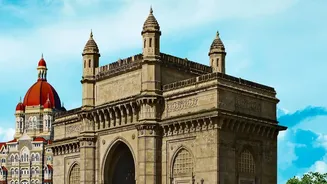
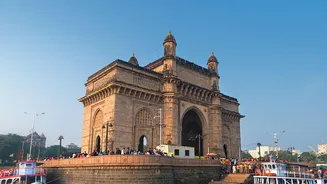
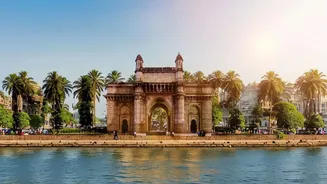
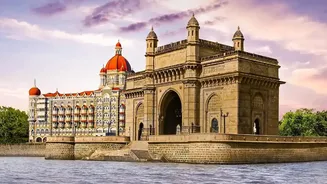
Begin your historical exploration in South Mumbai, the heart of India's colonial past. Start at the Gateway of India, an iconic arch built to commemorate the 1911 visit of King George V. From there, wander through the Fort district, where magnificent
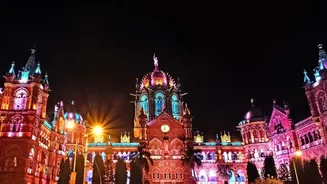
Victorian Gothic and Art Deco buildings stand side-by-side. Key architectural marvels include the Chhatrapati Shivaji Maharaj Terminus (CST), a UNESCO World Heritage Site, the stately Bombay High Court, and the Rajabai Clock Tower. These structures are not just relics; they are living monuments that showcase a blend of British design and Indian craftsmanship, telling the story of Mumbai's emergence as a global trading hub.
Day 2: Ancient Mysteries of Elephanta Island
A short ferry ride from the Gateway of India takes you to Elephanta Island, known locally as Gharapuri, or the 'Island of Caves'. This UNESCO World Heritage site is home to a collection of rock-cut temples primarily dedicated to Lord Shiva, believed to have been carved between the 5th and 8th centuries. The main cave features the magnificent Trimurti sculpture, a 20-foot-high representation of Shiva as the creator, preserver, and destroyer. The island itself has a rich history, serving as a spiritual center for centuries before being named 'Elephanta' by the Portuguese after they found a large stone elephant statue. Exploring these caves offers a profound glimpse into ancient Indian artistry and religious philosophy.
Day 3: The Invincible Fort of Daulatabad
Travel to Aurangabad (now officially Chhatrapati Sambhajinagar), your base for exploring the Deccan's treasures. Your first stop is the formidable Daulatabad Fort, originally known as Devagiri or 'Hill of the Gods'. Founded by the Yadava dynasty in the 12th century, this fort is an engineering marvel perched on a 200-meter-high conical hill. It is renowned for its ingenious defensive systems, including multiple fortification walls, a moat, and a labyrinthine dark passage known as the Andheri. The fort famously served as the capital of India for a brief period under Muhammad bin Tughluq in the 14th century. Climbing to the top rewards you with panoramic views and a deep appreciation for medieval military strategy.
Day 4: The Architectural Grandeur of Ellora
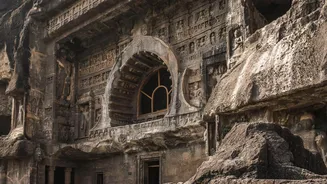
Prepare to be awestruck at the Ellora Caves, a UNESCO World Heritage site just a short drive from Aurangabad. Spanning over 2 kilometers, the 34 caves represent a unique confluence of Buddhist, Hindu, and Jain faiths, carved between the 5th and 10th centuries. The centerpiece is Cave 16, home to the Kailasa Temple. This staggering structure is the world's largest monolithic sculpture, carved from a single rock from the top down. It is dedicated to Lord Shiva and covers an area twice the size of the Parthenon in Athens. The sheer scale and intricate detail of the Kailasa Temple, along with the serene beauty of the nearby Buddhist and Jain caves, make Ellora an unparalleled architectural and spiritual experience.
Day 5: The Painted Narratives of Ajanta
Conclude your journey with a day trip to the Ajanta Caves, another UNESCO World Heritage site nestled in a horseshoe-shaped gorge. These 30 rock-cut Buddhist caves date back to the 2nd century BCE. Unlike Ellora, which is celebrated for its sculpture, Ajanta's fame lies in its exquisite murals and paintings that depict the Jataka tales—stories of the Buddha's previous lives. The caves were a monastic retreat and place of learning, abandoned for centuries and covered by dense jungle before being rediscovered by a British officer in 1819. The vibrant colours and emotional depth of the artwork, preserved for centuries, provide an intimate window into the life and beliefs of ancient India.