



1. Embrace Modern Cooking Methods
Deep-frying isn't the only way to achieve a crispy texture. Modern appliances like air fryers have become increasingly popular for a reason. They use rapidly circulating hot air to cook food, delivering a crunch similar to deep-frying with up to 85% less
oil. This method is perfect for making everything from snacks like samosas and tikkis to everyday vegetables. Similarly, don't underestimate your oven. Baking or grilling vegetables and proteins instead of frying them is another excellent way to cut down on oil. These methods use dry heat to cook food evenly, often requiring just a light brush of oil instead of a deep soak.
2. Invest in the Right Cookware
The type of pan you use can dramatically change how much oil you need. A high-quality non-stick pan is a game-changer for low-oil cooking. Its surface is designed to prevent food from sticking, which means you can cook dishes like dosas, cheelas, and omelettes with just a tiny amount of oil, or sometimes none at all. Heavy-bottomed stainless steel or hard anodized cookware also distributes heat more evenly, preventing hot spots that cause food to stick and burn, forcing you to add more oil. While a good pan might seem like a big investment initially, it can save you a significant amount of money on cooking oil in the long run.
3. Sauté with Water or Broth
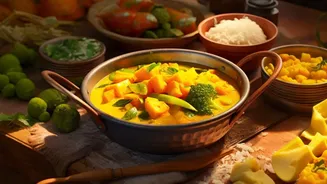
Many Indian recipes begin with sautéing onions, ginger, and garlic as a base. Traditionally, this is done in a generous amount of oil. However, you can achieve the same result by using water or vegetable broth. Start by heating a few tablespoons of water or broth in your pan until it simmers, then add your aromatics. As the liquid evaporates, it steams the vegetables and helps them soften and brown without sticking. You can keep adding a splash of liquid whenever the pan gets dry. This technique, known as water sautéing, works beautifully for building the flavour base of curries and sabzis, and it cuts out the initial oil completely.
4. Measure Your Oil, Don't Pour It
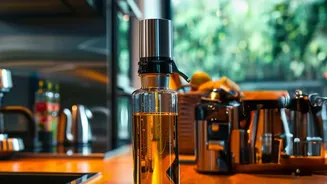
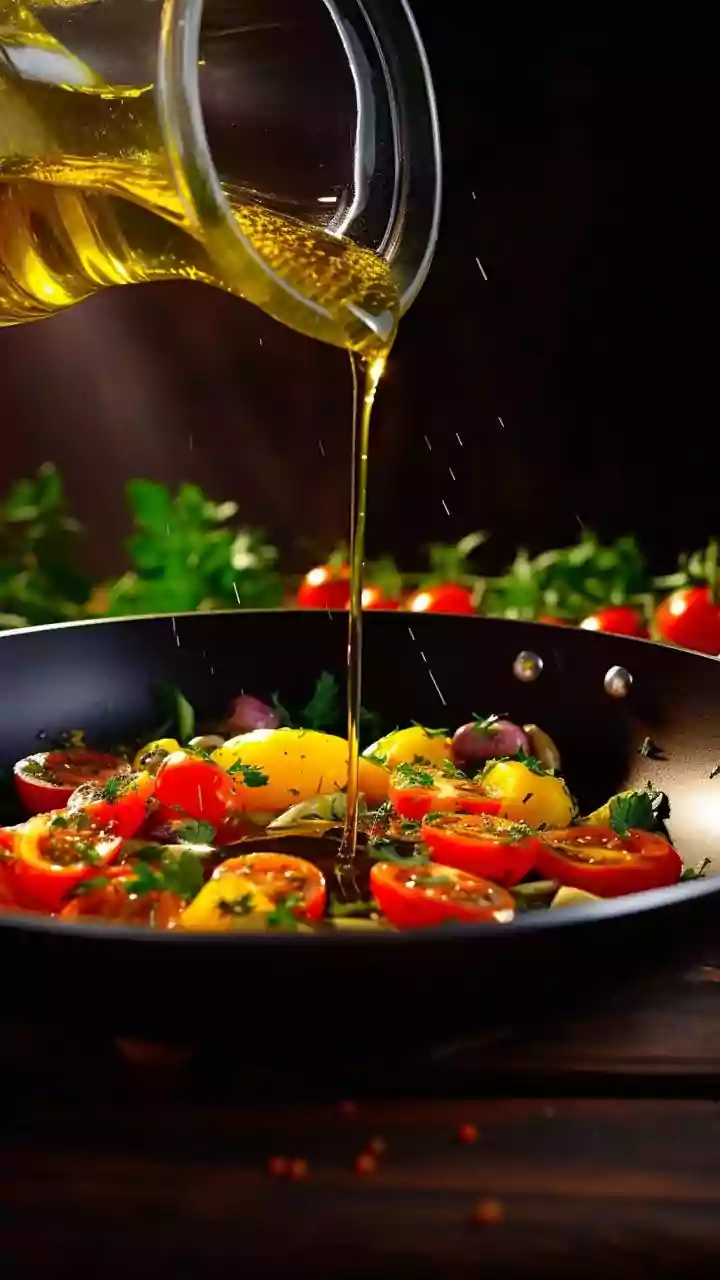
One of the most effective ways to reduce oil usage is to be mindful of how much you're actually adding. It's easy to pour directly from the bottle, often adding much more than is necessary. Instead, get into the habit of measuring your oil with a spoon. For an even lighter touch, use an oil sprayer or a brush. A spray bottle allows you to apply a fine, even mist that can cover the entire surface of a pan with less than half a teaspoon of oil. Brushing oil onto food before baking or grilling also ensures a thin, even coat, providing just enough fat to aid in browning without drenching the food.
5. Let Spices Do the Heavy Lifting
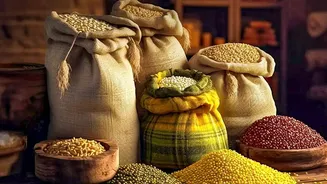
In Indian cooking, oil is often seen as the primary vehicle for flavour, especially for spices. However, you can unlock the aromatic potential of whole spices without drowning them in fat. Try dry roasting spices like cumin, coriander, and mustard seeds in a hot pan for about 30 to 40 seconds before you start cooking. This process releases their essential oils and deepens their flavour, meaning you need less fat to carry that flavour into the final dish. For gravies and curries, instead of relying on a base fried in oil, consider using pureed boiled vegetables, yogurt, or a paste of soaked nuts like cashews to create a rich, creamy texture.