



The Vibe a Forecast Can't Predict
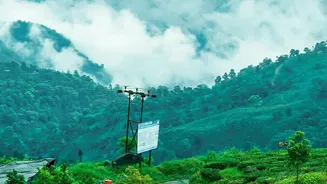
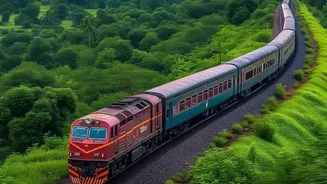
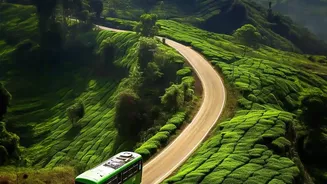
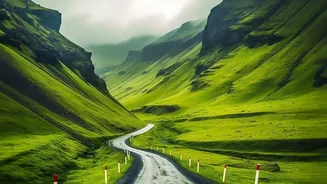
A weather forecast is data: a 60% chance of precipitation, 25°C, light winds. It cannot, however, measure the magic of the Indian monsoon. It won’t tell you about the intoxicating smell of wet earth (petrichor) after the first showers, or how the landscape
transforms into a brilliant, almost impossible, green. It won't describe the joy of pulling over for a hot cup of chai and crispy pakoras at a roadside stall, the rhythmic drumming of rain on the car roof creating a perfect soundtrack. These sensory details are the soul of a monsoon journey, something no meteorological chart can ever capture. The forecast might predict rain, but it misses the part where the journey becomes more beautiful because of it.
The Reality of the Road Surface
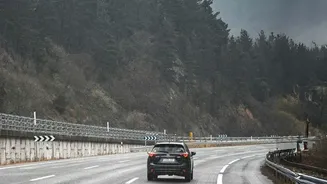
Here's what your weather app definitely won't show you: the state of the road hidden beneath the water. A light shower can obscure a pothole deep enough to cause serious tyre or suspension damage. In India, waterlogging is a common issue that can bring traffic to a standstill for hours, a detail far more important than the simple fact that it's raining. Braking distances are significantly longer on wet surfaces, sometimes doubling, and the painted lines of a zebra crossing become as slippery as ice. Especially during the first rains after a dry spell, accumulated oil and grime mix with water to create an exceptionally slick surface, a critical factor for two-wheelers and cars alike. A forecast predicts the weather, not the treacherous obstacle course it can create.
The Unaccounted-for Delays
If your GPS estimates a four-hour drive, add a significant buffer during the monsoon. Rain doesn't just affect the road; it changes the pace of travel entirely. Visibility often drops dramatically, forcing sensible drivers to slow down. This is particularly true in hilly regions, where mist and low-hanging clouds can reduce visibility to just a few car lengths, and the risk of landslides can cause unexpected and lengthy road closures. You'll also need to maintain a much greater distance from the vehicle in front, which naturally slows down the flow of traffic. These weather-induced delays, combined with more frequent stops for photos or just to wait out a heavy downpour, mean your itinerary needs to be flexible. The monsoon operates on its own schedule.
Essential Gear Beyond the Obvious
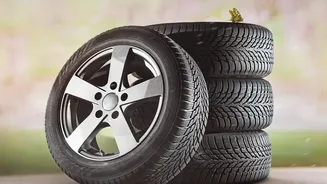
A forecast might prompt you to pack an umbrella, but a real monsoon road trip requires a more thoughtful kit. Before you even leave, ensuring your car is ready is paramount: check your tyre tread (at least 3mm is recommended), wiper blades, brakes, and headlights. Once on the road, an emergency kit should include more than just a first-aid box. Think about waterproof bags or zip-pouches to protect your electronic gadgets and documents. Packing a few old newspapers is a classic Indian hack for drying out damp shoes overnight. A powerful flashlight, a power bank, and some ready-to-eat snacks can be lifesavers if you're stuck in a jam. And don't forget mosquito repellent, especially for stops near lush, damp areas.
Navigating Safely Through Water
Perhaps the most critical information a rain forecast omits is how to handle the challenges it presents. If you encounter a waterlogged street, the golden rule is: when in doubt, turn around. It's impossible to judge the depth of the water or know what hazards lie beneath. Just six inches of moving water can make you lose control of your car, and about two feet can sweep even an SUV away. If you absolutely must proceed through a shallow patch, drive slowly and steadily in a low gear to create a bow wave and prevent water from entering the engine's air intake. A stalled engine in deep water can lead to hydrostatic lock, a catastrophic and expensive failure. Never try to restart a car that has stalled in water.