







Understanding the Monsoon Shutdown
There are valid reasons why most of India's premier wildlife sanctuaries, particularly the core areas of its tiger reserves, close from July to September. This period is the primary breeding season for many species, and closing the parks minimizes human
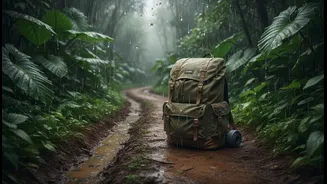
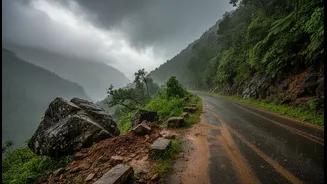
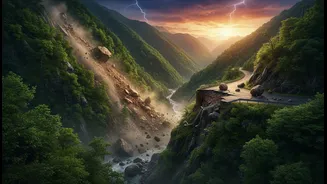
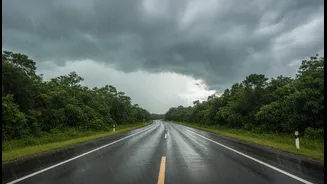
disturbance, allowing animals to raise their young in peace. Visitor safety is another major concern. Heavy rains can make forest tracks slushy and impassable for safari vehicles, and the risk of flash floods or landslides increases, especially in hilly terrain. This annual recess also gives the ecosystem a chance to rejuvenate and allows park authorities to carry out essential maintenance on trails and infrastructure without tourist traffic.
The Buffer Zone Loophole
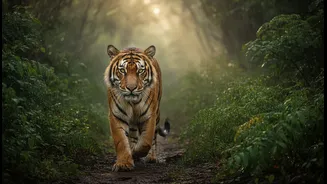
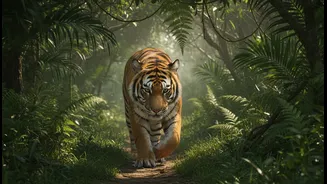
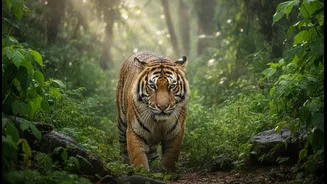
The secret to a monsoon safari lies in the distinction between a park's 'core' and 'buffer' zones. While the critical core habitats are strictly off-limits, the surrounding buffer areas of many top-tier parks remain open to tourism. These zones offer a genuine wilderness experience, complete with opportunities to spot tigers, leopards, and other wildlife against a backdrop of incredibly lush, green forests. For popular parks like Ranthambore in Rajasthan, safari zones 6 through 10 stay operational, offering a unique, crowd-free experience. Similarly, several buffer gates at Tadoba-Andhari Tiger Reserve in Maharashtra, including Moharli and Kolara, welcome visitors throughout the rains.
Northern and Central India's Monsoon Havens
In North India, Jim Corbett National Park in Uttarakhand keeps several of its buffer zones accessible, including Jhirna, Dhela, and Sitabani, which are known for elephant and tiger activity even during the monsoon. Central India also presents fantastic options. The buffer areas of Madhya Pradesh's famous tiger reserves—including Bandhavgarh, Kanha, and Pench—continue to offer jeep safaris. Satpura National Park, also in Madhya Pradesh, is another excellent choice, known for its rugged terrain and diverse activities that continue in its less-crowded buffer zones.
South India's Year-Round Sanctuaries
The safari season never truly ends in parts of South India, thanks to different monsoon patterns. Periyar National Park in Kerala is a prime example, remaining open all year. Here, the signature experience is a boat safari on Periyar Lake, which provides a unique vantage point to see herds of elephants, gaur, and sambar at the water's edge. In Karnataka, parks like Nagarhole (often accessed via Kabini) and Bandipur also typically run safaris year-round, weather permitting. The verdant landscapes of the Western Ghats during the monsoon offer a completely different, and arguably more beautiful, safari experience.
Tips for Your Monsoon Adventure
A monsoon safari is a trade-off. While the forest is breathtakingly beautiful and the tourist crowds are thin, wildlife sightings can be more challenging as the dense foliage provides better cover and animals are more dispersed. To make the most of it, plan ahead. Book your safaris well in advance, as slots can be limited. Pack lightweight waterproof clothing, sturdy footwear with good grip, and a potent insect repellent. It's also crucial to protect your camera and other electronics with waterproof covers. Be prepared for last-minute changes; heavy downpours can sometimes lead to temporary safari cancellations for safety reasons.