




An Autumnal Call for Comfort
When the cool, crisp air of autumn replaces the warmth of summer, our bodies instinctively seek nourishment that is grounding and substantial. It’s a seasonal shift that influences not just our wardrobe but our appetite, pulling us toward dishes that offer
a sense of cosiness and comfort. This is where hearty curries come in, and while many plant-based options exist, the combination of sweet potato and raw banana creates a uniquely satisfying experience. These ingredients, staples in many Indian kitchens, work together to provide a meal that feels both indulgent and deeply nourishing, perfectly aligning with the body’s needs during the autumn transition.
Sweet Potato: Nature’s Comfort Tuber
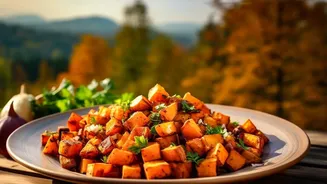
The sweet potato, or shakarkandi, is a beloved root vegetable for good reason. Its gentle sweetness provides a perfect counterpoint to the robust spices of a classic curry. But its benefits go far beyond flavour. Sweet potatoes are packed with complex carbohydrates and dietary fibre. This combination ensures a slow, steady release of energy, preventing the blood sugar spikes associated with simpler carbs and leaving you feeling full and satisfied for longer. They are also a nutritional powerhouse, boasting incredible amounts of beta-carotene, which the body converts into Vitamin A—essential for immune function and vision. Furthermore, they are a good source of Vitamin C and potassium, which supports heart health. This dense nutritional profile makes the sweet potato an ideal ingredient for a curry that aims to be both comforting and restorative.
Raw Banana: The Unsung Hero
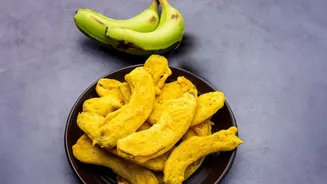
Often overlooked in favour of its ripe, sweet counterpart, the raw green banana is a culinary gem in Indian cooking, especially in southern and eastern regions. When cooked, its flavour is neutral and its texture becomes starchy and firm, similar to a potato. This makes it a fantastic vehicle for absorbing the complex flavours of a curry. Nutritionally, raw bananas are distinct. They are exceptionally rich in resistant starch, a type of fibre that is not digested in the small intestine. Instead, it travels to the large intestine where it acts as a prebiotic, feeding beneficial gut bacteria. This process promotes excellent gut health, aids digestion, and contributes to a feeling of fullness. Raw bananas also provide a good dose of potassium and Vitamin B6, which are important for heart health and metabolism.
The Science and Soul of 'Warming' Foods
The idea of certain foods providing 'warmth' is deeply embedded in traditional systems like Ayurveda. This concept, known as 'virya', refers to the energetic effect a food has on the body after digestion. Root vegetables and dense starches like sweet potato and raw banana are often considered 'warming'. From a modern scientific perspective, this aligns with the thermic effect of food (TEF). Digesting complex carbohydrates and fibre requires more energy, a process that generates a small amount of metabolic heat. In Ayurveda, the autumn season is associated with an increase in Vata dosha, which is characterized by cold and dry qualities. Consuming grounding, nourishing, and warming foods is believed to help balance this, promoting stability and comfort. So, a curry made with these ingredients provides warmth not just in temperature, but through a combination of metabolic processes and traditional wisdom.
Crafting the Perfect Autumn Curry
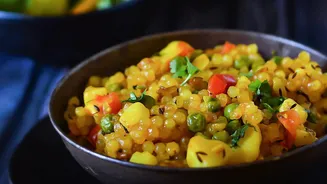
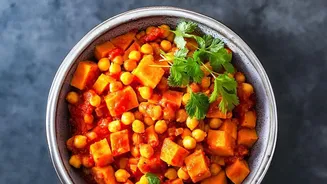
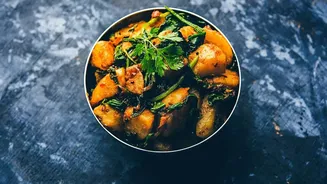
Bringing these two ingredients together in a curry is simple and incredibly versatile. The natural sweetness of the potato balances the starchy neutrality of the raw banana, creating a beautiful texture and flavour base. To enhance the warming properties, use spices like ginger, turmeric, black pepper, and cinnamon, all of which are considered 'heating' in Ayurveda. A South Indian-style preparation with coconut milk adds a creamy, luscious texture and healthy fats, making the dish even more satisfying. For a North Indian approach, a base of onion, tomato, garlic, and ginger provides a robust and tangy foundation. The key is to cook the vegetables until they are tender but still hold their shape, allowing their distinct textures to shine through in every bite.