



Aerospace and Astronautical Engineering
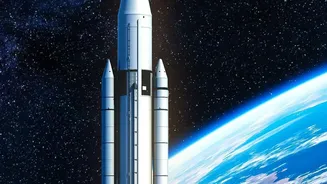
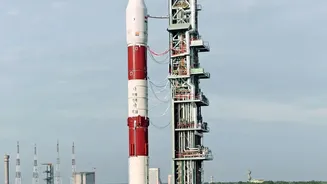
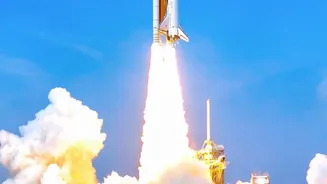
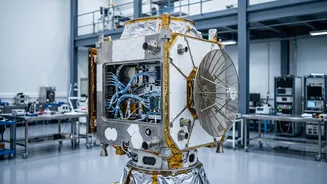
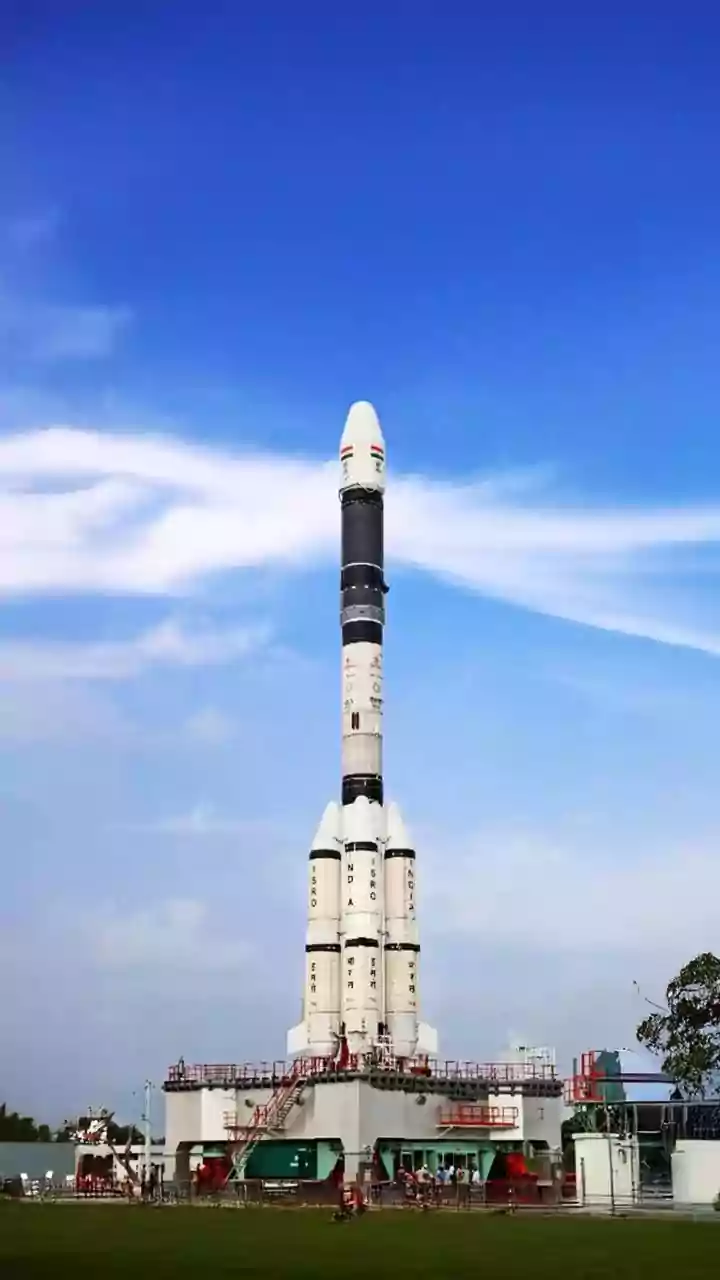
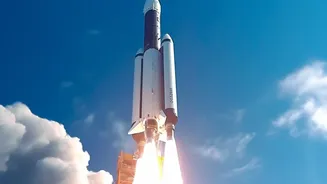
This remains the foundational discipline for the space sector. Aerospace engineers design spacecraft, launch vehicles, satellites, and missiles. Their expertise in aerodynamics, propulsion systems, structural mechanics, and orbital mechanics is indispensable.
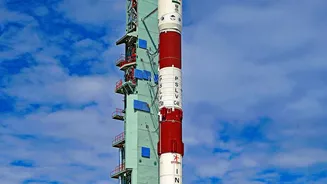
While ISRO, DRDO, and HAL have been traditional employers, the new wave of private launch companies like Skyroot Aerospace and Agnikul Cosmos are now aggressively hiring these specialists. The demand is for engineers who can work across the full lifecycle of a vehicle, from initial design and analysis to testing and final integration. A strong background in mechanical, electrical, or electronics engineering is often a prerequisite.
AI and Machine Learning Specialists
Artificial intelligence is rapidly becoming essential for modern space missions. AI/ML specialists are needed to develop algorithms for autonomous navigation, like those used for Pragyan rover in Chandrayaan missions. They also work on processing vast amounts of satellite data for applications in weather forecasting, disaster management, and urban planning. As missions venture deeper into space where real-time communication is impossible, the ability for spacecraft to make their own decisions becomes critical. ISRO is actively working on AI-enabled robotics, and startups are seeking engineers who can deploy AI models directly onto satellites for in-orbit analysis.
Avionics and Flight Software Engineers
Avionics engineers are the architects of a spacecraft's electronic brain. They work on navigation, communication, and control systems. This field is a blend of electronics, computer science, and control systems engineering. The most critical part of their job is developing the flight software—the code that runs on the onboard computers and controls every aspect of a mission. With the rise of reusable rockets and complex satellite constellations, the demand for reliable, real-time embedded software has surged. Expertise in programming languages like C++, Python, and Ada, along with knowledge of aerospace software standards like DO-178C, is highly sought after by companies like Airbus and Thales in their Indian operations.
Robotics and Mechatronics Engineers
From planetary rovers exploring alien surfaces to robotic arms that will help build future space stations, robotics is key to extending humanity's reach. Space robotics engineers design and build these complex autonomous systems. This requires a multidisciplinary skill set combining mechanical engineering, electronics, and AI. For India's upcoming Gaganyaan mission, ISRO is developing the AI-enabled humanoid robot 'Vyommitra' to test crew module safety. As on-orbit servicing, manufacturing, and debris removal become commercial realities, the demand for engineers who can build robust and intelligent robotic systems will only grow.
Materials Science and Manufacturing Engineers
Building lighter, stronger, and more durable spacecraft requires constant innovation in materials. Materials scientists are crucial for developing advanced composites, alloys, and ceramics that can withstand the extreme environments of launch and space. There is a particular focus on lightweight fibre-reinforced polymers and materials for 3D printing, which allows for rapid prototyping and manufacturing of complex engine parts. The growth of India's space ecosystem is also driving demand for specialists in precision manufacturing, advanced welding, and industrial engineering who can turn designs into reliable, space-qualified hardware.
Satellite Systems and Data Analysts
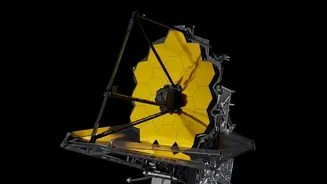
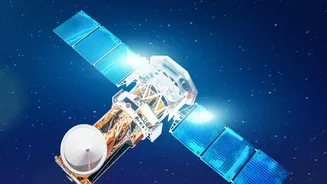
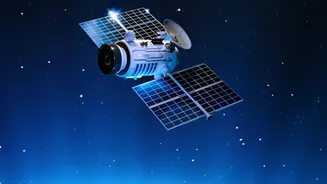
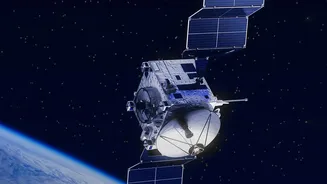
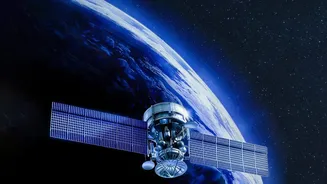
While launching rockets grabs headlines, much of the space economy is built on the data collected by satellites. Satellite systems engineers design, build, and manage the satellites themselves, focusing on communication, navigation, and control systems. Once in orbit, these satellites generate enormous amounts of data. Satellite data analysts are the ones who make sense of it all. They use tools like Python and GIS software, often combined with machine learning, to interpret satellite imagery for agriculture, climate science, and intelligence purposes. With the proliferation of Earth observation startups like Pixxel and SatSure, this is one of the fastest-growing career tracks in the Indian space sector.