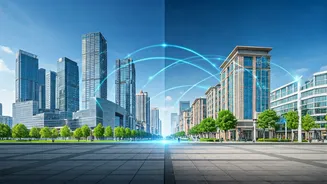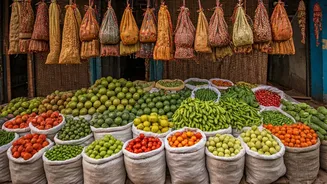









Beyond the Metros: A Tale of Two Indias
When we talk about India’s creator economy—a market influencing billions in consumer spending—the image that often comes to mind is that of a polished, urban influencer creating content in English or Hinglish for an audience in Mumbai, Delhi, or Bengaluru.
While this segment is significant, it represents only a fraction of a much larger, more complex, and arguably more authentic digital revolution happening across the rest of the country. This is the creator economy of Bharat: the non-metro, Tier-2, Tier-3, and rural landscapes where the next several hundred million internet users reside. This isn’t just a story of numbers; it’s a story of cultural resonance, linguistic diversity, and untapped economic potential. The growth here is driven not by aspiration alone, but by a deep-seated need for relatability and trust. Overlooking this is no longer a strategic choice; it’s a fundamental misunderstanding of modern India.
The Language and Authenticity Dividend
The single greatest driver of Bharat’s creator economy is language. Over 90% of new internet users in India prefer to consume content in their native language. Recent reports show that regional language content drives significantly higher engagement and trust. Creators from cities like Kanpur, Patna, or Coimbatore who speak local dialects and understand cultural nuances are building powerful communities. Their content isn't a translation of a metro-centric idea; it's born from local realities, making it feel less like an advertisement and more like advice from a trusted peer. This authenticity is their currency. While metro influencers might sell a lifestyle, creators from Bharat often sell solutions, building credibility through raw, unpolished content that resonates deeply with their audience. Brands are slowly realising that engagement rates for regional creators can be significantly higher, and often come at a lower cost, than their big-city counterparts.
New Rules of Monetization
Monetization in Bharat operates on different principles. While brand sponsorships exist, the ecosystem is rapidly evolving towards commerce-led models. With many users still new to online transactions, trust is paramount. Creators are becoming the crucial bridge, driving what is being called creator-led commerce. This includes everything from affiliate marketing and shoppable videos to live commerce and direct-to-consumer sales through their own micro-storefronts. Platforms that facilitate transactions in regional languages or through familiar interfaces like WhatsApp are seeing huge traction. However, the path to sustainable income is fraught with challenges. A vast majority of creators still struggle to monetize effectively, with earnings often inconsistent and well below what's needed for a full-time career. The gap between creating content and converting it into a stable income remains the biggest hurdle for creators outside the top tier.
The Platform and Brand Mandate
For platforms and brands, the writing is on the wall: a one-size-fits-all strategy is doomed to fail. The future of growth lies in catering to this diverse market. Platforms are already seeing the shift, with short-video apps like Moj and ShareChat reporting that a vast majority of their creators come from Tier-2 and Tier-3 regions. Homegrown platforms have an intrinsic advantage as they are built with a local-first mindset. For brands, the mandate is to move beyond simply allocating a small part of their budget to 'regional' campaigns and instead build a ground-up strategy. This requires more than just finding a creator in a specific state; it means trusting them with the creative process, understanding local cultural contexts, and measuring success beyond simple follower counts. Reports show that briefs mandating regional creators have increased significantly, signaling a strategic shift towards seeking relevance over just reach.