




From Ritual to Restaurant
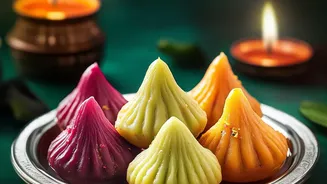
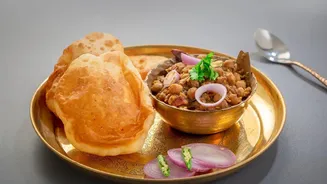
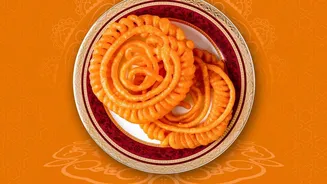
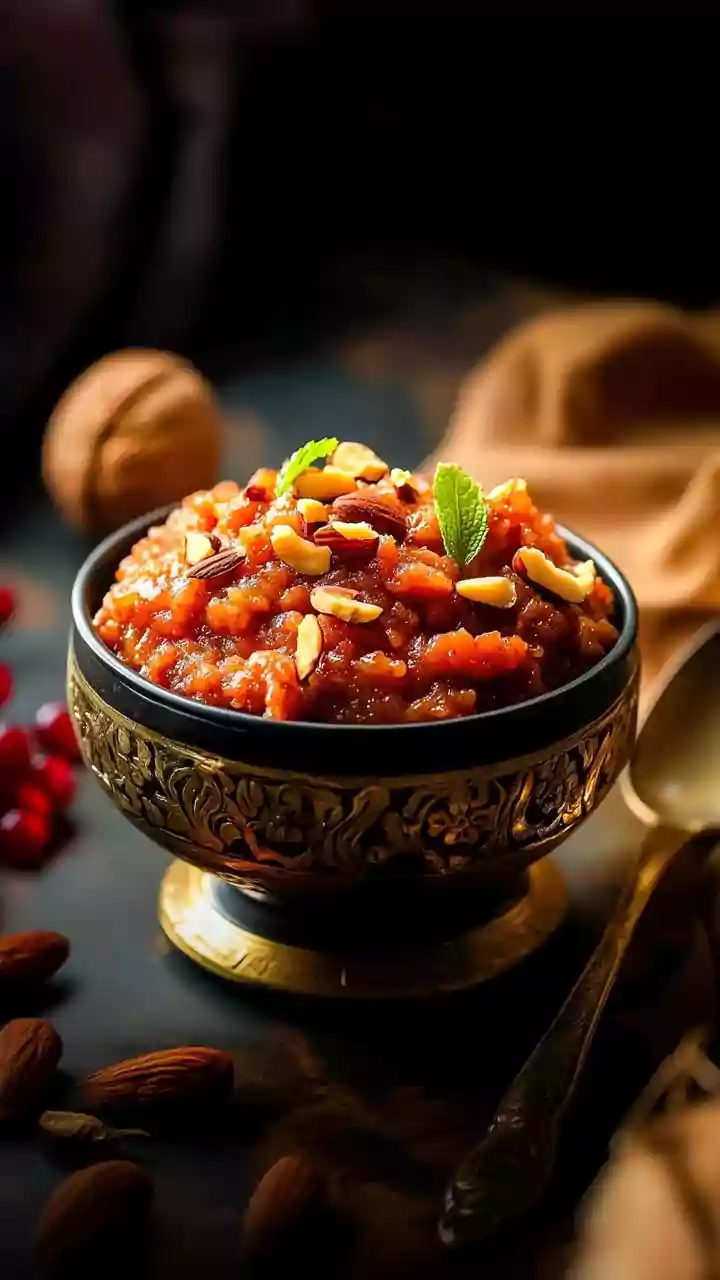
For generations, festival food in India was a predictable, comforting affair. Diwali meant kaju katli and chakli, Eid was incomplete without sheer khurma, and Holi's arrival was heralded by gujiya and thandai. These dishes were sacred, prepared in home
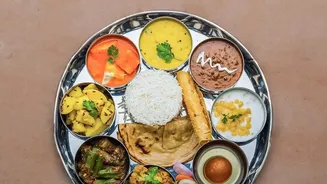
kitchens with recipes passed down through generations, their flavours deeply woven into the fabric of celebration and ritual. While that tradition remains strong, a parallel trend has emerged. Today’s diners are no longer content with just the nostalgic tastes of home; they are actively seeking out new culinary adventures, even during the most traditional of holidays. This has pushed restaurants, hotels, and caterers to elevate their festive offerings from a simple, special thali to a full-fledged gastronomic event.
The Rise of the Experiential Diner
So, what's driving this change? The modern Indian diner is more curious, well-travelled, and digitally connected than ever before. Exposure to global food trends, both through travel and social media, has cultivated a palate that craves novelty and sophistication. People are not just looking for a meal; they are seeking an 'experience'. A meal is no longer just about sustenance; it’s about storytelling, artistry, and creating a memory worth sharing online. Platforms like Instagram have turned dining into a visual-first activity, where a unique dish or a beautifully presented festival menu becomes desirable content. Restaurants have quickly adapted, creating limited-edition menus and 'Instagrammable' dishes designed to capture attention and drive footfall during the festive season.
Chefs as Curators of Celebration
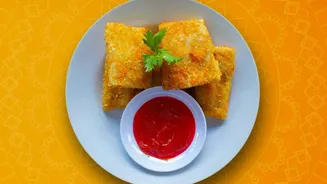
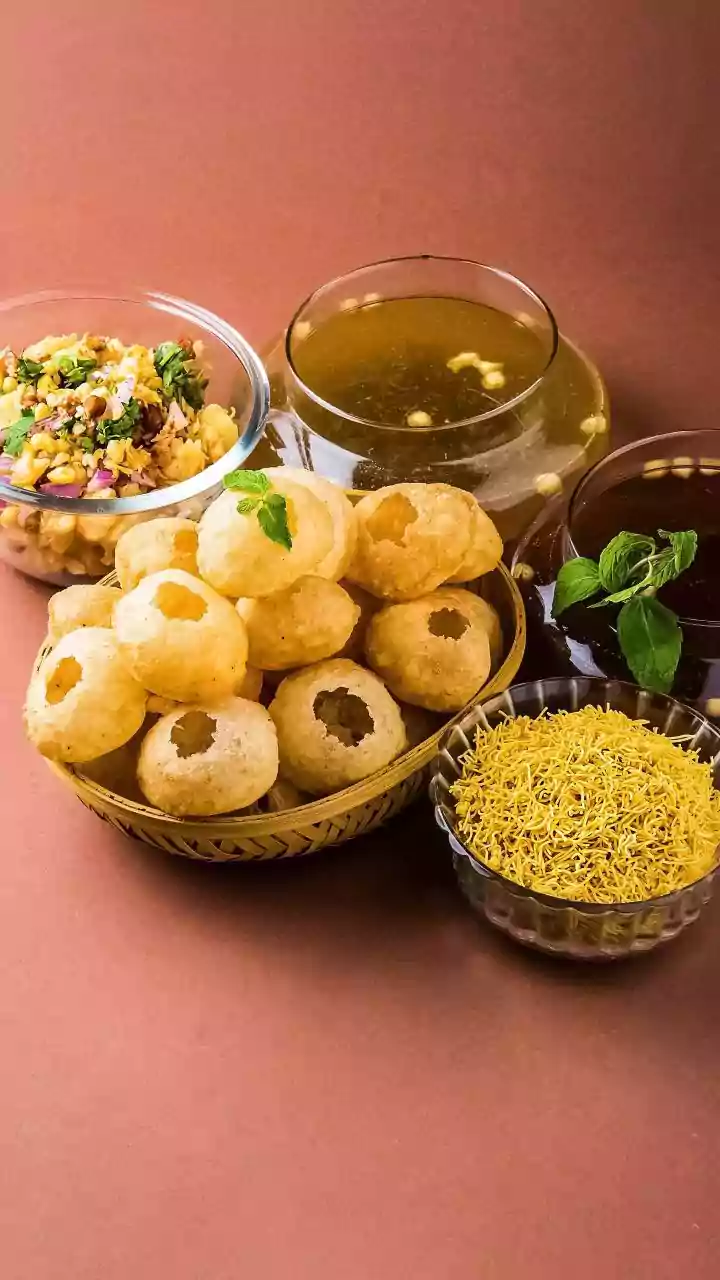
This shift has empowered chefs to become cultural curators. They are moving beyond serving standard festive fare to reinterpreting it. This doesn't mean abandoning tradition, but rather innovating within it. Chefs are blending traditional flavours with modern techniques and global ingredients to create dishes that are both familiar and surprising. Think of a croissant filled with samosa chaat, a deconstructed dahi vada, or a tart inspired by mishti doi. Festival menus now often feature ingredient-focused themes, hyper-regional specialties, or elaborate tasting journeys that tell a story over several courses. For example, a restaurant might offer a Navratri menu that goes beyond kuttu puris to explore creative fasting dishes, or a Diwali menu that showcases forgotten regional sweets with a contemporary twist.
An Extension of the Festive Spirit
Ultimately, the growing emphasis on festival menus is about extending the celebration to the dining table in a new, more deliberate way. In a fast-paced world, taking the time to enjoy a specially prepared meal has become a luxury and a form of self-care. It allows families and friends to connect over a shared experience without the labour of cooking elaborate meals at home. Restaurants are becoming destinations for celebration, offering an immersive atmosphere that complements the festive mood. From themed decor and live music to storytelling about the origins of the dishes, these establishments are crafting holistic experiences. The meal becomes an integral part of the festive celebration itself, a cherished memory rather than just a footnote.