




In the world of healthy snacking, puffed ragi snacks and popcorn are often presented as guilt-free options. But when you're reaching for a bowl, which one is the smarter choice? The answer isn't simple and goes far beyond calories alone.
The Initial Calorie Face-Off
On a gram-for-gram
basis, the calorie counts for plain, air-popped popcorn and basic roasted ragi puffs can be surprisingly similar. A 100-gram serving of air-popped popcorn contains around 387 calories, while many commercial ragi puffs hover between 380 to 440 calories per 100 grams, depending on the ingredients and preparation. The key difference, however, lies in density. Popcorn is mostly air, meaning a 30-gram serving can fill a large bowl, making it feel substantial. Ragi puffs are denser, so the same 30-gram portion will look much smaller. This visual and volume difference is crucial; you can eat a larger volume of popcorn for fewer calories, which can be satisfying if you're looking for a high-volume, low-calorie snack.
A Deeper Dive into Nutrients
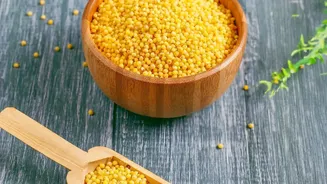
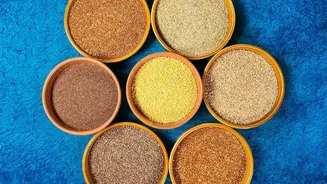
This is where ragi, or finger millet, truly begins to shine. Ragi is a nutritional powerhouse, celebrated for its high content of calcium—significantly more than other cereals—making it excellent for bone health. It is also a great source of iron, which helps combat anaemia, and contains valuable amino acids. Both snacks offer a good amount of dietary fibre, which is essential for digestive health and feeling full. Popcorn, as a whole grain, is also a worthy contender, providing fibre, B vitamins, and magnesium. However, ragi's standout micronutrient profile, particularly its calcium and iron content, gives it a clear edge for those looking to boost their mineral intake through snacking.
The Fullness Factor and Blood Sugar
How long a snack keeps you satisfied is a critical part of portion control. Thanks to its high fibre and protein content, ragi has a low glycemic index. This means it releases sugar into the bloodstream more slowly, preventing the sharp spikes and subsequent crashes that can lead to more cravings. This slow energy release makes ragi snacks a great option for sustained energy and managing hunger between meals. Popcorn also provides a feeling of fullness due to its fibre, and studies have shown it can be more satiating than other high-calorie snacks like potato chips. However, the quality of carbohydrates in ragi gives it a slight advantage for blood sugar regulation, making it a particularly smart choice for individuals with diabetes or those looking for better appetite control.
The Preparation Pitfall
A snack's health credentials can be quickly undone by how it's prepared. Airpopped, plain popcorn is a healthy, low calorie choice. But movie theatre popcorn, drowned in butter and salt, or microwave versions with added oils and flavourings, become a completely different, high calorie food. Similarly, while baked or roasted ragi puffs are healthy, many commercial varieties come loaded with sodium, vegetable oils, and artificial seasonings to enhance their taste. Reading the ingredient label is non negotiable. For both snacks, the healthiest version is the one you prepare at home with minimal additions. A sprinkle of salt or herbs is fine, but heavy oils, butter, and sugar will negate their benefits.
The Verdict : It’s All About Context
So , which is better ? There is no single winner . The ideal choice depends entirely on your snacking goal . If you crave a large , voluminous snack to munch on during a movie without consuming too many calories , air - popped popcorn is an excellent choice . Its light , airy nature satisfies the desire for a full bowl . On the other hand , if you need a more nutrient - dense snack to bridge a longer gap between meals , fight off serious hunger , and boost your mineral intake , a controlled portion of ragi puffs is superior . Its combination of fibre , protein , and essential minerals like calcium and iron provides more substantial nutritional value . The concept of a 'healthy' snack lives not in the food itself , but in the portion , preparation , and purpose .