

Bologna, Italy: The Learned, the Fat, the Red
Often skipped in favour of Rome or Florence, Bologna offers a more authentic Italian experience without the overwhelming crowds. Nicknamed 'La Dotta' (the learned) for housing the Western world's oldest university, 'La Grassa' (the fat) for its legendary
food scene, and 'La Rossa' (the red) for its terracotta-roofed buildings, the city is a feast for the senses. The historic centre is exceptionally walkable, thanks to over 40 kilometres of UNESCO-listed porticoes—covered walkways that provide shelter from sun and rain. This allows for easy exploration of medieval towers, bustling piazzas like Piazza Maggiore, and the Quadrilatero market district, where the air is thick with the scent of cured meats and fresh pasta. The city's heart is its food; it's the home of ragù alla bolognese and mortadella, making it a required pilgrimage for any serious food lover.
Ljubljana, Slovenia: Europe's Green Gem
Slovenia's capital is one of Europe's greenest and most liveable cities, yet it remains wonderfully underrated. The city centre is largely car-free, making the banks of the Ljubljanica River a joy to explore on foot. Stroll across the iconic Triple Bridge, wander through the daily Central Market for local produce, and take the funicular up to Ljubljana Castle for panoramic views. The city's architecture is a charming mix, heavily influenced by the work of local architect Jože Plečnik. A youthful energy permeates the city, thanks to a large student population, and most locals speak excellent English. With its relaxed atmosphere, riverside cafes, and compact size, Ljubljana feels less like a bustling capital and more like a charming, large town you can fully discover in a couple of days.
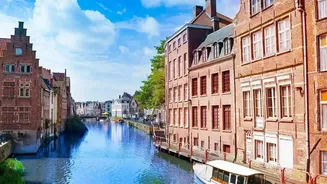
Ghent, Belgium: Medieval Grandeur Without the Crowds
While many tourists flock to Bruges, nearby Ghent offers a similar medieval fairytale experience with a more vibrant, local feel. Its historic core is one of Europe's largest car-free zones, making it a walker's paradise. The stunning Graslei and Korenlei quays, lined with historic guild houses, are the city's postcard image. A short walk from here leads you to the city's three famous towers: Saint Nicholas' Church, the Belfry, and St. Bavo's Cathedral, which houses the world-renowned Ghent Altarpiece. Explore the formidable Gravensteen (Castle of the Counts) or get lost in the charming, restaurant-filled alleys of the Patershol neighbourhood. Ghent perfectly balances its rich history with a lively, contemporary culture, fueled in part by its large student population.
Porto, Portugal: Authentic Charm on the Douro
While Lisbon has surged in popularity, Porto, its northern rival, retains a grittier, moodier, and arguably more authentic Portuguese character. This is a city built for wandering, with its UNESCO-listed Ribeira district featuring a maze of steep, narrow streets that tumble down to the Douro River. Walk across the magnificent Dom Luís I Bridge to Vila Nova de Gaia, the hub of the world-famous port wine cellars. Beyond the main sights, neighbourhoods like Cedofeita and Bonfim offer a glimpse into local life, with independent shops, art galleries, and traditional restaurants. From the intricate azulejo tiles at São Bento Station to the peaceful, peacock-filled Jardins do Palácio de Cristal, Porto is a city that reveals its secrets slowly to those willing to explore on foot.