



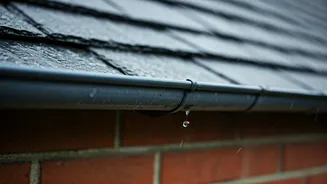


Start at the Top: Roof and Terrace Check
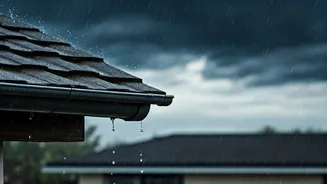
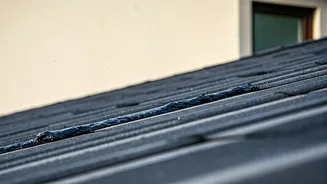
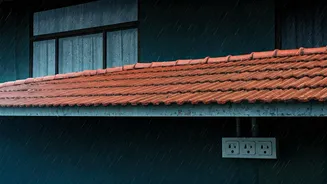
Your home's first line of defence is its roof. Before the downpour begins, it’s crucial to conduct a thorough inspection. Climb up to your terrace or roof and look for any visible cracks, broken tiles, or gaps in the waterproofing membrane. Pay close
attention to the corners and junctions where pipes or antennas are installed, as these are common weak points. Even a small crack can allow a surprising amount of water to seep through, leading to damp patches on your ceiling and compromising the structural integrity over time. If you find any issues, don't delay. Hire a professional to apply a fresh coat of waterproof sealant or repair damaged sections. Clearing the roof of debris like fallen leaves and twigs is also essential, as they can clog drainage outlets.
Clear All Drains and Gutters
This is one of the most critical and often overlooked tasks. Clogged drains and gutters are the primary cause of waterlogging around the foundation of your house and on your terrace or balcony. Over the dry months, leaves, dust, plastic, and other debris accumulate in these channels. When the heavy rains arrive, this blockage prevents water from flowing away, causing it to pool and find its way into your home through any available crack. Use a sturdy pair of gloves to manually clear out all the gunk from your drainage pipes, gutters, and any outlets on your balcony. After clearing, pour a few buckets of water down them to ensure the flow is smooth and unobstructed. This simple act can prevent basement flooding, seepage in lower walls, and damage to your home’s foundation.
Inspect and Seal Exterior Walls
The constant assault of rain can take a toll on your exterior walls. Take a walk around your property and look for cracks, especially around window and door frames. These fissures, however small, are gateways for moisture. Over time, this dampness can lead to peeling paint on the inside, the growth of mould and mildew, and a musty smell throughout the house. Use a high-quality waterproof crack filler or cement mixture to seal these gaps. For an extra layer of protection, consider applying a coat of waterproof exterior paint. This not only enhances the look of your home but also creates a robust barrier against moisture, keeping your interiors dry and healthy.
Secure Doors and Windows
Wooden doors and windows tend to swell in the humid monsoon weather, making them difficult to open and close. Before this becomes a problem, sand them down slightly and apply a fresh coat of waterproof paint or varnish. This will seal the wood and prevent it from absorbing moisture. Also, check the metal hinges and handles for rust; a quick application of oil or grease can keep them moving smoothly. For all windows, especially sliding ones, check the integrity of the rubber or silicone seals. If they are cracked or peeling, water can easily be driven inside during a heavy storm. Replacing these seals is a small investment that offers significant protection.
Get Your Wiring Checked
Water and electricity are a deadly combination. Damp walls can lead to moisture seeping into electrical conduits and switchboards, creating a serious risk of short circuits and electrical shocks. It is highly advisable to have a qualified electrician inspect your home's wiring before the monsoon. They can check for any exposed wires, faulty earthing, and potential leakage points. Ensure that all outdoor electrical fittings, like gate lights or balcony outlets, are properly insulated and waterproofed. If you have any wiring running along exterior walls, make sure it is securely fastened and protected from direct rainfall.
Protect Furniture and Wardrobes
High humidity is the enemy of all things wooden and fabric. To protect your expensive wooden furniture from swelling or warping, try to move it a few inches away from walls, especially external ones which are prone to dampness. You can also place silica gel packets or naphthalene balls inside cupboards and drawers to absorb excess moisture and prevent the growth of mould and mildew. This also helps keep clothes and linens from developing that characteristic musty monsoon smell. Avoid laying carpets during this season, as they can trap moisture and become a breeding ground for fungus.
Prepare an Emergency Kit
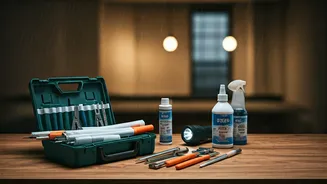
Heavy rains can sometimes lead to power cuts and disruptions in water supply. Being prepared can make these situations much more manageable. Assemble a simple emergency kit containing essential items like a powerful torch or emergency lamp, extra batteries, a power bank for your mobile phone, a first-aid kit, and a stock of candles and matchboxes. It’s also wise to have a small supply of non-perishable food items and clean drinking water stored for any unforeseen circumstances. Having everything in one place means you won't be scrambling in the dark if the power goes out.