


Aisle of Opportunity: The New Snack Shelf
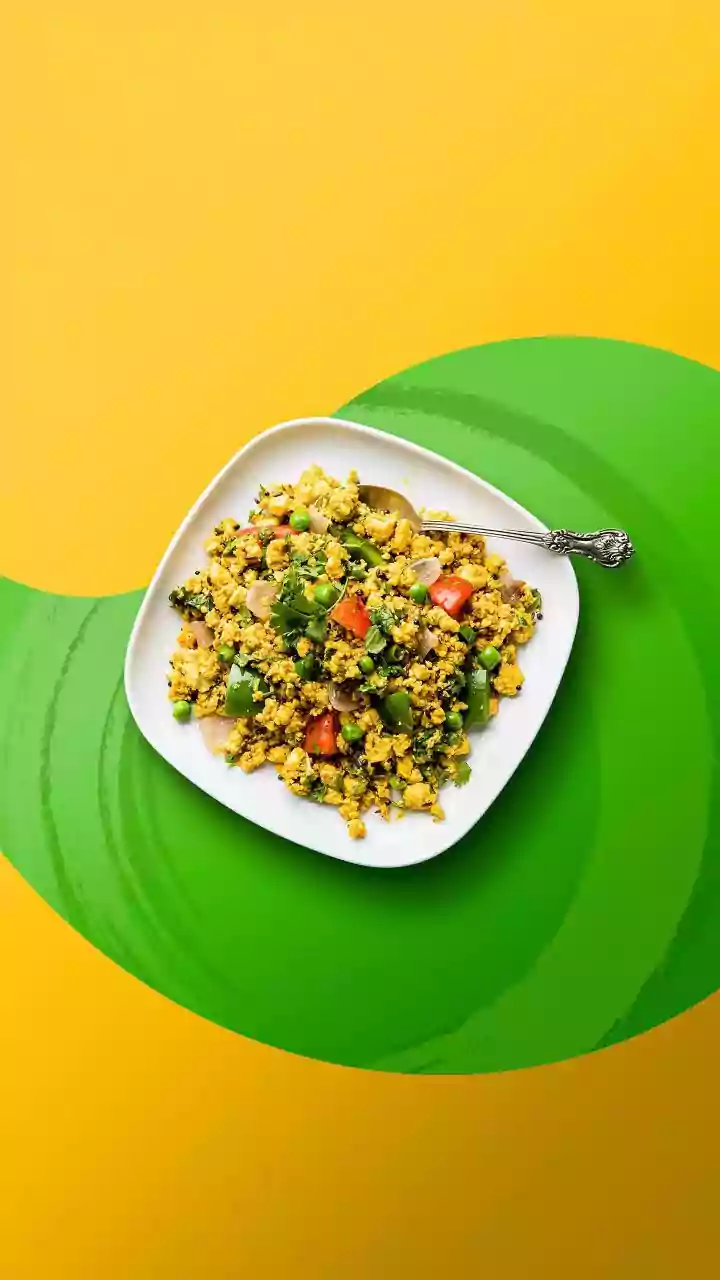
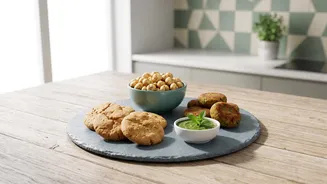
Walk through any modern grocery store or scroll through a quick-commerce app, and the shift is palpable. Next to packets of familiar namkeen, you’ll find sleekly packaged protein bars, baked millet chips, roasted makhana, and quinoa puffs. Brands like
The Whole Truth, Farmley, Slurrp Farm, and Yoga Bar are becoming household names, especially in urban centres. This isn’t just about a few new products; it’s a burgeoning category known as 'Better-for-You' (BFY) snacking, which reached a market value of USD 4.4 billion in 2025 and is projected to nearly double by 2033. These startups are built on a modern playbook: direct-to-consumer (D2C) models, a strong digital presence, and a focus on what they call 'clean labels'—transparent ingredient lists free from artificial additives, palm oil, and excess sugar.
The Rise of the Mindful Muncher
This snack revolution is being driven by a fundamental change in the Indian consumer. A growing urban population with higher disposable incomes and increased global exposure is becoming more health-conscious. Factors like rising stress levels, demanding lifestyles, and a greater awareness of lifestyle-related health issues are pushing people to seek out healthier options. According to one study, 73% of consumers now actively read nutrition labels before making a purchase. This 'mindful muncher' isn't just looking for a low-calorie alternative; they want functional benefits. They're seeking snacks high in protein and fibre, made from indigenous superfoods like millets (jowar, ragi), and free from preservatives. This shift from mindless indulgence to intentional, purposeful snacking is the engine powering the entire new-age snack market.
Coexistence, Not Conquest
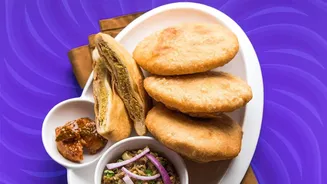
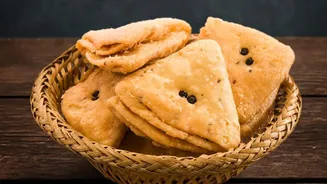
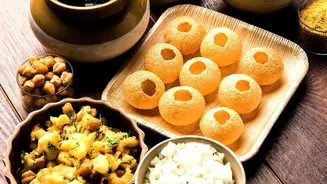
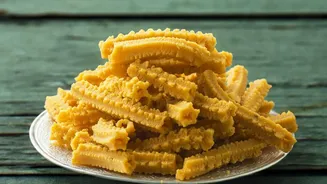
Despite the rapid growth of these new players, it's a mistake to frame this as a battle where the new replaces the old. The traditional Indian snack market remains incredibly resilient and beloved. In fact, in terms of volume, traditional snacks still outperform their Western-style counterparts, and their value sales are on par. New-age snacks are not stealing occasions from the evening chai-and-samosa ritual. Instead, they are creating new snacking moments. They are the pre-workout energy boost, the convenient breakfast bar for a busy morning, the guilt-free desk drawer option, or the nutritious school tiffin choice. They cater to a need for on-the-go nutrition that traditional snacks, often fried and seen as indulgent treats, weren't designed to fill. This is about expanding the pie, not just re-slicing it.
Traditional Giants Join the Fray
Legacy players are not standing still. Recognizing the shifting consumer preferences, established giants like ITC and Haldiram's are responding in several ways. Some are launching their own 'better-for-you' product lines, reformulating old favourites with healthier ingredients, or using their immense distribution power to introduce baked versions of popular snacks. Others are acquiring successful D2C startups, integrating their innovative spirit and direct consumer access into their larger corporate structure. This two-pronged approach allows them to protect their existing market share while simultaneously competing for the new, health-conscious consumer. The result is a more dynamic and competitive market where both heritage and innovation are driving growth.