






The Pothole Problem Personified
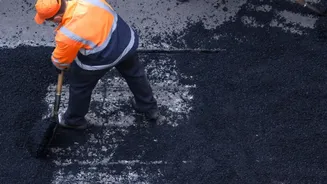
Every year, as the rains lash down on Indian cities, our roads begin to crumble. Potholes emerge overnight, turning daily commutes into obstacle courses that damage vehicles, slow traffic to a crawl, and pose serious safety risks. The cycle is frustratingly
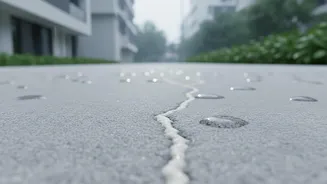
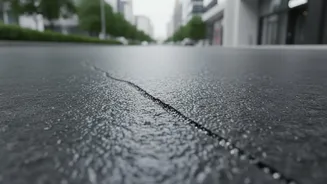
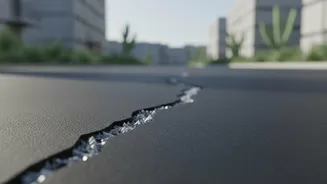
familiar: temporary patches are laid, only to be washed away by the next downpour, and the problem repeats. This constant need for repair is not only a massive drain on public funds but also a source of endless frustration for citizens. Concrete, the backbone of modern construction, is incredibly strong under compression but vulnerable to cracking under tension from temperature changes, shrinkage, and heavy loads. These tiny cracks are the gateways for water, which accelerates decay and leads to the large, hazardous potholes we all know and dread.
Introducing Self-Healing Concrete
Imagine a road that, when it cracks, simply repairs itself. This is the promise of self-healing concrete, a field of material science that is gaining significant traction. At the forefront of this innovation is bio-concrete, which has a secret ingredient: dormant bacteria. Researchers embed specific types of bacterial spores, often from the Bacillus family, into the concrete mix along with a food source, typically calcium lactate. These spores can lie dormant in the highly alkaline environment of concrete for decades. The magic happens when a crack forms and water seeps in. The water acts as a trigger, 'waking up' the bacteria from their slumber.
How Bacteria Become Masons
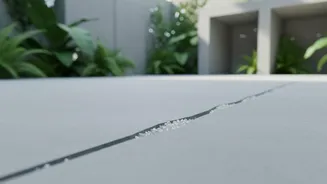
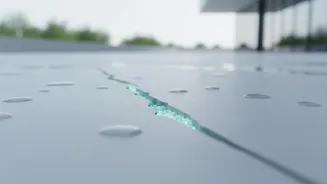
Once activated by water, the bacteria begin to feed on the calcium lactate. This metabolic process produces limestone, or calcium carbonate, a hard substance that is naturally compatible with concrete. The newly formed limestone crystals gradually fill the crack, sealing it from within. This process, known as Microbially Induced Calcium Carbonate Precipitation (MICP), essentially mimics the way bones heal in nature. The bacteria serve as nucleation sites, encouraging the crystals to grow and integrate with the existing cement matrix, which not only seals the crack but can also restore the concrete's structural strength and impermeability. Recent studies have even explored using combinations of different microorganisms to repair deeper cracks more effectively.
A Monsoon-Ready Solution?
The very thing that destroys our roads—rain—could become the catalyst for their repair. The fact that this bacterial healing process requires water makes it an intriguingly perfect fit for India's monsoon climate. During the dry months, the bacteria would remain dormant. But as soon as the seasonal rains begin and water penetrates the inevitable micro-cracks, the healing process would automatically kick in, sealing damage before it escalates into a major pothole. This autonomous repair capability could drastically reduce the need for constant, reactive maintenance, making infrastructure more durable and resilient. It offers a shift from a cycle of decay and repair to one of proactive, built-in preservation.
The Hurdles: Cost and Scale
While the technology is revolutionary, its widespread adoption faces significant challenges, primarily cost. The addition of bacterial spores and their nutrient capsules makes bio-concrete more expensive than conventional concrete. Researchers are actively working on ways to bring these costs down, for instance by using waste products as nutrient sources for the bacteria. Scalability is another issue. While effective in labs and small pilot projects for cracks up to a few millimetres, producing enough of this advanced material for India's vast road network is a monumental task. Furthermore, ensuring the long-term viability and survival of the bacteria in real-world construction conditions remains a key area of research. Indian institutions, such as NIT Srinagar, are actively researching economical approaches to make this technology viable for road construction.