
The Science of Spice: Capsaicin and the Scoville Scale
The sensation of heat in a pepper comes from a chemical compound called capsaicin. It's found mostly in the pithy white membrane that holds the seeds, which is why removing the ribs and seeds can significantly tone down the heat. To measure this heat,
we use the Scoville Scale, developed by pharmacist Wilbur Scoville in 1912. The scale assigns Scoville Heat Units (SHU) based on how much a pepper extract must be diluted before its heat is undetectable. A sweet bell pepper has 0 SHU, while a jalapeño can range from 2,500 to 8,000 SHU, and some super-hot varieties can soar past one million. Today, a more modern method called high-performance liquid chromatography is used for more precise measurement, but the Scoville scale remains the popular standard.
The Sweet and Mild Crew (0–1,000 SHU)
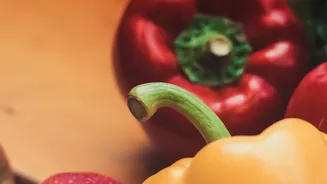
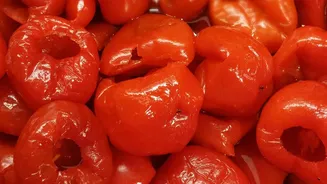
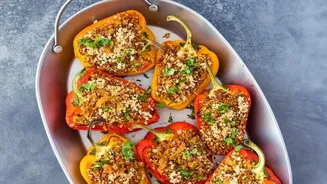
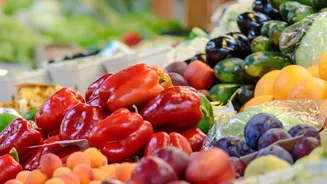
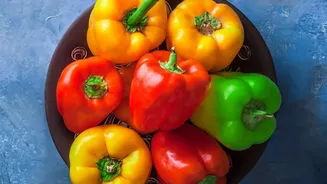
These are the peppers you can munch on raw or toss into dishes without fear. Bell peppers are the most common, with zero capsaicin. They come in a rainbow of colors; green ones are harvested earliest and have a slightly bitter taste, while red, yellow, and orange bells are sweeter because they have ripened longer. Their thick walls make them perfect for stuffing, slicing into stir-fries, or adding a crunchy element to salads. Banana peppers, with their mild tang and crisp texture, are excellent for pickling or adding to sandwiches. Pimiento peppers, often found stuffed in olives, are sweet, aromatic, and heart-shaped, bringing more flavor than heat.
A Touch of Warmth: Mildly Hot Peppers (1,000–5,000 SHU)
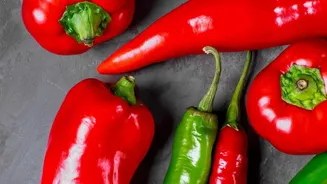
This category is the perfect entry point for those venturing into spice. Poblano peppers are a staple in Mexican cuisine, known for their rich, earthy flavor and very gentle warmth (1,000–2,000 SHU). They have thick walls, making them ideal for the classic vegetarian dish 'chiles rellenos'. When dried, a poblano becomes an Ancho chile, with a smokier, sweeter profile. Anaheim peppers also fall into this range, offering a slight kick that's versatile enough for roasting, dicing into salsas, or complementing egg and bean dishes. Cubanelle peppers, often called Italian frying peppers, are sweet with a faint whisper of heat and are fantastic when fried or sautéed with onions and garlic.
Turning Up the Temperature: Medium Hot Peppers (5,000–30,000 SHU)
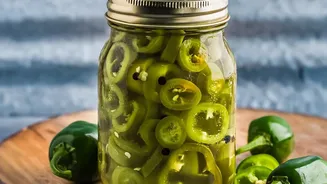
Here's where the heat becomes a prominent, but usually manageable, part of the flavor profile. The jalapeño is arguably the king of this category, typically ranging from 2,500 to 8,000 SHU. It offers a bright, grassy flavor when green that turns slightly sweeter when it ripens to red. They are incredibly versatile, used in everything from fresh salsa to jalapeño poppers. Stepping up from the jalapeño is the Serrano pepper, which looks like a smaller, thinner version but packs a cleaner, more intense bite (10,000–25,000 SHU). Serranos don't need to be peeled and can be diced finely into salsas, guacamoles, and sauces for a sharp kick.
For the Brave: Truly Hot Peppers (30,000–350,000+ SHU)
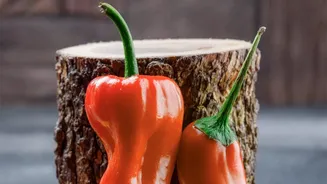
This is serious heat that demands respect and careful handling. Cayenne peppers (30,000–50,000 SHU) are often found in their dried, powdered form but can be used fresh to add a strong, neutral heat to soups and sauces. Tabasco peppers fall into a similar range and are most famous for being the key ingredient in the iconic hot sauce. For a more complex flavor paired with intense heat, look to the Habanero or its close cousin, the Scotch Bonnet (100,000–350,000 SHU). Beneath their fiery exterior lies a fruity, almost floral note that can elevate dishes if used sparingly. When handling these peppers, it's wise to wear gloves to prevent the capsaicin oils from irritating your skin.